

By Emily Johnson
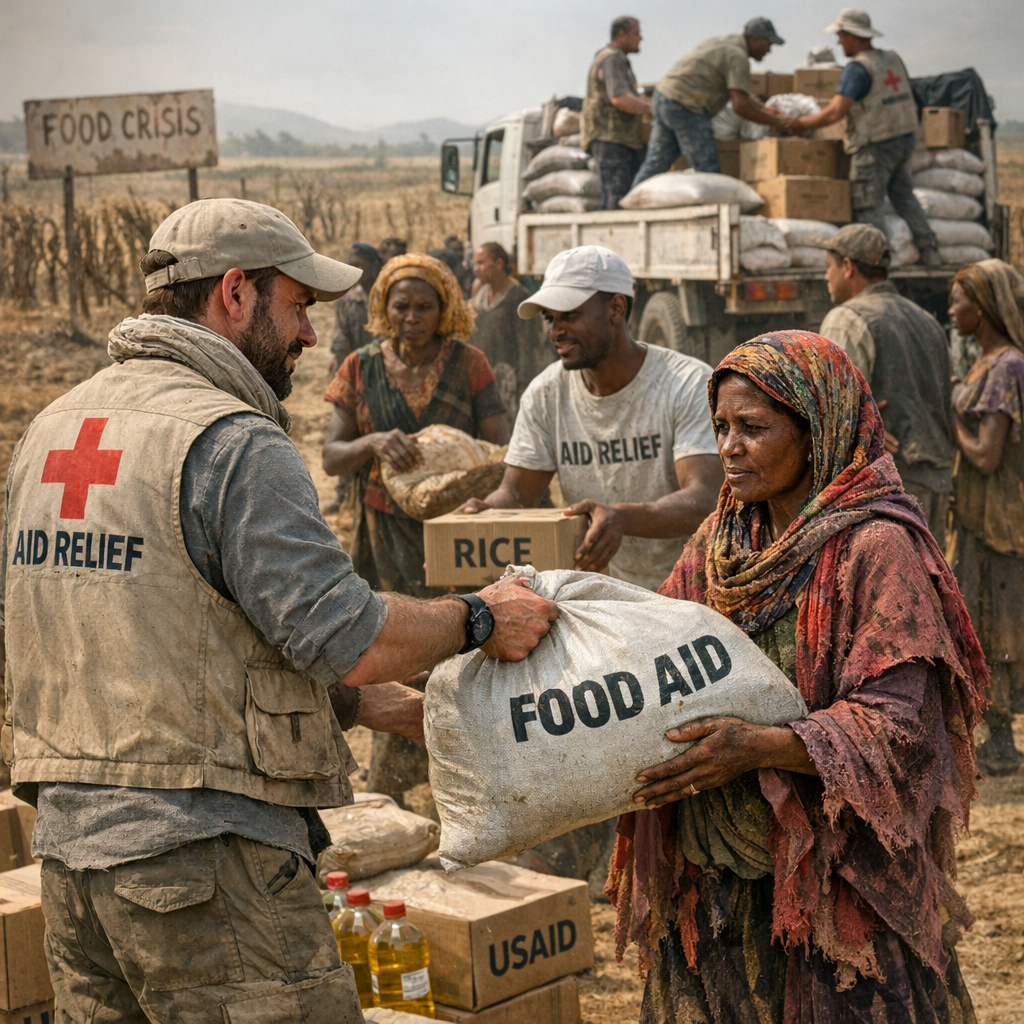
The world is amid a deepening food crisis. As of mid-2026, more than 266 million people are experiencing acute food insecurity in dozens of countries—an alarming spike fueled by conflicts, climate disasters, economic shocks, and gaps in humanitarian funding. This isn’t a problem far away: its ripple effects touch markets, migration, and global stability. Understanding what’s behind the crisis, and what’s being done (or left undone), is essential.
The Main Drivers Behind the Crisis
Conflict and Instability
Wars and civil unrest are at the heart of many food emergencies. In countries like Sudan, South Sudan, and parts of the Middle East, conflict has disrupted agriculture, displaced farmers, and blocked aid access. Around 70% of those facing acute hunger live in areas affected by such strife. Without peace and safe passage for aid convoys, recovery remains out of reach.
Climate Shocks and Extreme Weather
Even when conflict isn’t present, nature delivers its own harsh blows. Droughts, floods, heatwaves, and shrinking water supplies—often tied to El Niño and long-term warming—ruin crops and livestock. These hazards undermine livelihoods and reinforce a cycle of crisis, especially for small farmers who lack resources to adapt.
Economic Pressures and Price Volatility
Global supply chains are shaky. Rising costs for fertilizer, transportation, energy—and in many places, currency instability—make food expensive or out of reach. Moreover, when global markets fluctuate, those in low-income nations are hit not just by supply disruptions but by falling purchasing power. The result: nutritious food becomes a privilege rather than a right.
Displacement and Disrupted Livelihoods
Conflict and climate forced migration cut people off from food sources. Whether internally displaced or seeking refuge elsewhere, families often lose access to land, markets, jobs, or traditional safety nets. Humanitarian systems try to fill the gaps, but with funding stretched thin, many go without.
Where Progress Is Falling Short
There have been small gains. Global hunger levels eased slightly in recent years, and some regions have shown improvements. However, the overall pace is too slow, and the unevenness glaring: women, children, and rural communities are more vulnerable than ever.
More troublingly, several gaps threaten future progress:
- Funding Shortfalls: Humanitarian programs are operating with budgets equivalent to several years ago—despite growing need. When cash and resources lag, so do food distributions and nutrition aid.
- Adaptation Lag: Many vulnerable regions lack technology, infrastructure, or policies to cope with climate stress. Early warning systems, resilient farming methods, and water management need scaling up.
- Policy Coordination: Solutions rarely align globally—from trade policies that affect staple crops, to aid rules that limit access. Without collaboration across governments, NGOs, and multilateral institutions, messy overlaps and omissions persist.
- Accessibility of Healthy Diets: Even where food is available, healthy diets are often unaffordable. In many places, staples might be accessible—but nutrient-rich foods like fruits, vegetables, and protein remain beyond reach for large shares of the population.
What It Means for the World—and for Us
The stakes of failing to address the current food crisis are big. One obvious risk is humanitarian: increased malnutrition, illness, and mortality—especially among children. Yet the fallout doesn’t stay localized. Global migration can accelerate. Markets strain. Political instability rises. And climate change threatens to make all of this worse.
For communities far removed from hotspots, rising food costs and supply chain disruptions can lead to higher grocery bills even here at home. In our interconnected world, no nation is immune.
Paths Toward Lasting Solutions
Combatting the crisis calls for action at many levels—and long-term commitments. Some promising efforts include:
- Investing in local agricultural resilience: supporting small and women farmers with access to seeds, tools, land rights.
- Strengthening social protection systems to give vulnerable households regular safety nets, not just emergency relief.
- Expanding climate adaptation: building infrastructure that withstands extremes, improving water management, diversifying crops.
- Coordinating global finance: pushing for increased and stable funding to humanitarian aid, health, and nutrition programs.
- Making healthy diets affordable: through subsidies, market reforms, and better access to diverse food sources.
We are, in many ways, at a crossroads. The decisions taken now—from boardrooms to local farms—will determine whether global hunger remains a persistent tragedy, or becomes a problem we can finally drive toward resolution.