

By Benjamin Lopez
Nashville is growing fast. New businesses, transit investments, and housing developments are changing the skyline—and the fabric—of neighborhoods all across the city. As someone who’s watched neighbors move in and out, I’ve been thinking: what happens to community when growth happens too fast?
The weight of rising costs
I live in a neighborhood where birds used to wake me up more often than traffic. Lately, there are more strangers walking pets at 2 a.m. than I saw in broad daylight for years. The new development brought opportunity: better sidewalks, new coffee shops, transit corridors. But rents climbed so fast that the aunt who lived across the street had to move to a suburb she doesn’t know just to find affordable housing.
According to Metro Social Services, African American households in Davidson County face poverty rates nearly half again as high as the county’s average. Many households—Black and Brown—are cost-burdened, spending more than 30% of income on housing. Food access, health outcomes, job stability—these too tie deeper to where you live and whether that can be sustained long-term. (Laid out in the 2026 Community Needs Evaluation.)
What people say they want
Community research in Nashville consistently shows what feels essential: nearby grocery stores, green spaces, safe sidewalks, housing that doesn’t wipe out savings. In surveys by Imagine Nashville, most people said they believe the city should be built on “strong neighborhoods,” not just a strong downtown. But many also worry that the benefits of growth are not nearly equal—and that leadership too often prioritizes shiny new buildings rather than places that let people stay in the places they already call home.
For many neighbors, affordable ownership or rent isn’t enough—it’s about staying close to schools, churches, social networks, and understanding who you are as part of a community. You don’t want growth that turns you into a stranger in your own neighborhood.
How neighborhoods stay connected
From my conversations with long-time Nashvillians, here are some lessons communities are already using to stay rooted:
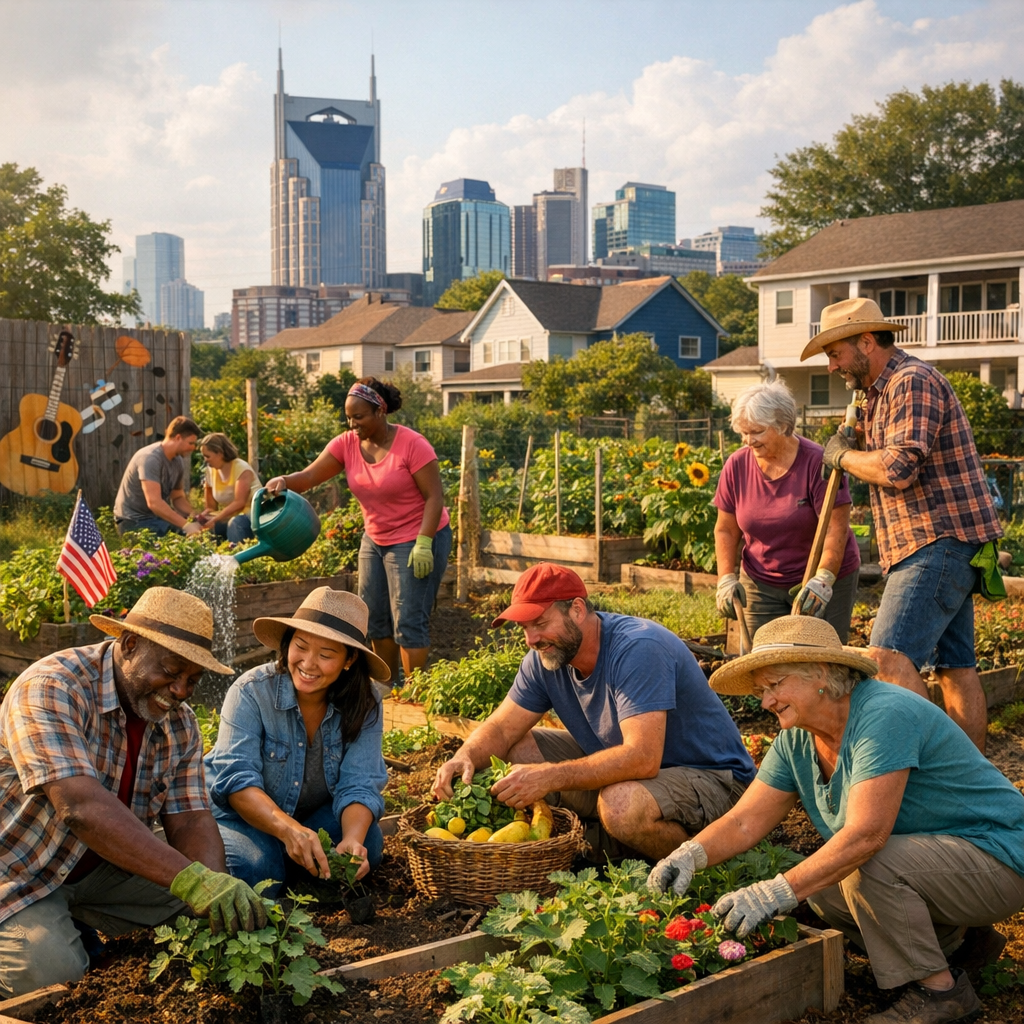
- Community gardens and orchards: Shared gardens managed by neighbors bring fresh food and shared purpose. Nashville Food Project’s Community Agriculture Network does this by caring for gardens with neighbor volunteers, improving food access while improving ties between people.
- Affordable housing programs tied to transit: Building housing near transit without displacing the people who need it most can reduce transportation burden and keep people close to jobs—if done with intentionality.
- Participatory budgeting and community planning: Inviting residents—especially those most impacted—to guide priorities helps ensure that sidewalks, parks, and services get built where they’re needed, not just where developers want profits.
- Strengthening neighborhood associations: Local groups help people speak up. When they powerfully say “we are here, we deserve to stay,” city leaders take note.
What I believe we can do
As I see it, sustainable growth isn’t opposed to preservation—it’s what makes heritage meaningful. Growth that keeps people in place grows trust, belonging, and resilience. Here are three things I hope leaders & citizens can lean into:
- Make affordable housing woven into every new project—not an afterthought.
- Prioritize transit, food access, and safe public spaces in neighborhoods under pressure.
- Ensure that community voices—especially from historically underserved areas—shape zoning, budgeting, and planning.
When Nashville grows, I hope it’s a city that lets its residents grow with it—not get left behind. And when we walk new sidewalks together, may we feel like we’re walking home.