

By Michael Williams
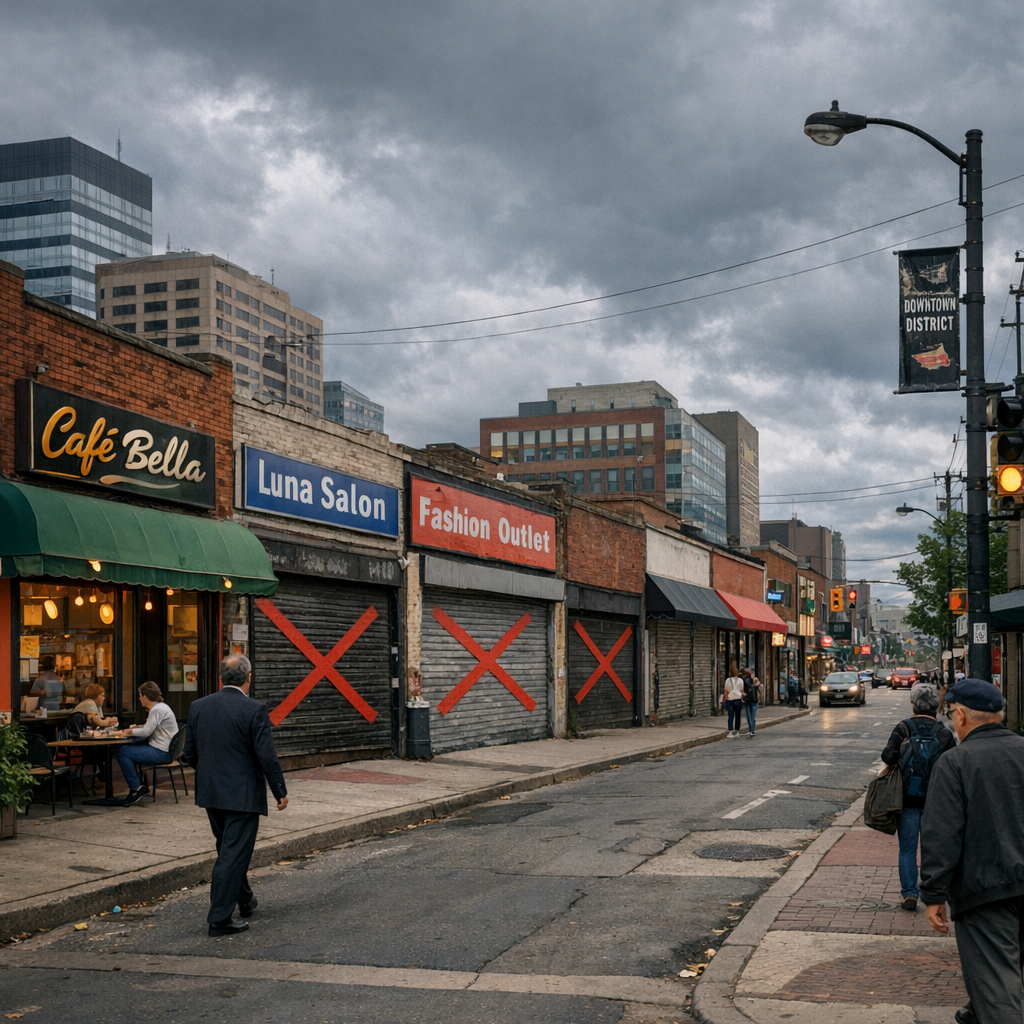
It’s a confusing moment for the U.S. economy. Job openings dropped in August and inflation remains higher than the Federal Reserve’s target — yet hiring, though cooling, is steady, while Americans’ confidence in the economy has fallen to its lowest in over a decade. These mixed signals leave many wondering: where are we heading?
Labor Market Shows Both Strength and Strain
According to the U.S. Department of Labor’s latest data, job openings fell to about 7.1 million in August. Layoffs dropped, and fewer people quit — a potential sign that workers are holding onto what they have in uncertain times. Despite that, businesses are still hiring, though more modestly. Economists expect about 95,000 new jobs in September, well below the averages of recent years. These results suggest a labor market that’s cooling but not collapsing. Americans are staying employed even as new opportunities thin out.
Inflation Beyond the Target—What’s Holding It Up?
Inflation is still running above the Fed’s ideal growth rate of 2 percent, pushed upward by factors including artificial intelligence development, trade tensions, and higher energy costs. In a recent Federal Reserve report to Congress, inflation “stepped up” partly due to these elements. Meanwhile, some economists see positive effects from productivity gains associated with AI, but warn those gains haven’t yet translated into lower costs in daily life.
Confidence Low, Concerns High
A key measure called consumer confidence fell sharply in September, reaching a new 12-year low. Americans report dissatisfaction not just with rising costs, but worries about the direction of the economy itself—including healthcare, housing, food, and energy expenses. Some express fears about how AI will affect their livelihoods.
Politics and Polls: Economic Fears Influence Decision-Making
With midterm elections drawing closer, these economic anxieties are shaping political debates. Many voters list inflation and cost of living among their top concerns. Polls show growing unease with the current administration’s handling of these issues. A number of Republican candidates are distancing themselves from national party leaders—notably on trade policy, immigration, and foreign policy—to better align with what voters are feeling in their wallets.
What to Watch Moving Forward
- Inflation reports in the coming months, especially for essentials like housing and food.
- Wage growth vs. price growth—if costs continue outpacing earnings, pressure will rise.
- Changes in job openings and layoffs: keeping a close eye on whether softness deepens.
- The Fed’s next moves on interest rates, especially in response to inflation and economic sentiment.
- Election narratives focusing on how economic realities affect everyday life—because they’re doing just that.
Here in Nashville, we can see many of these patterns too: higher grocery costs, tight housing availability, and debates on public investments sometimes deferred. What’s going on nationally has repercussions locally, especially in communities on the edge of stability. Keeping watch over these mixed signals—and understanding where you fit in—can make all the difference in how you vote, budget, and plan ahead.