

By Benjamin Lopez
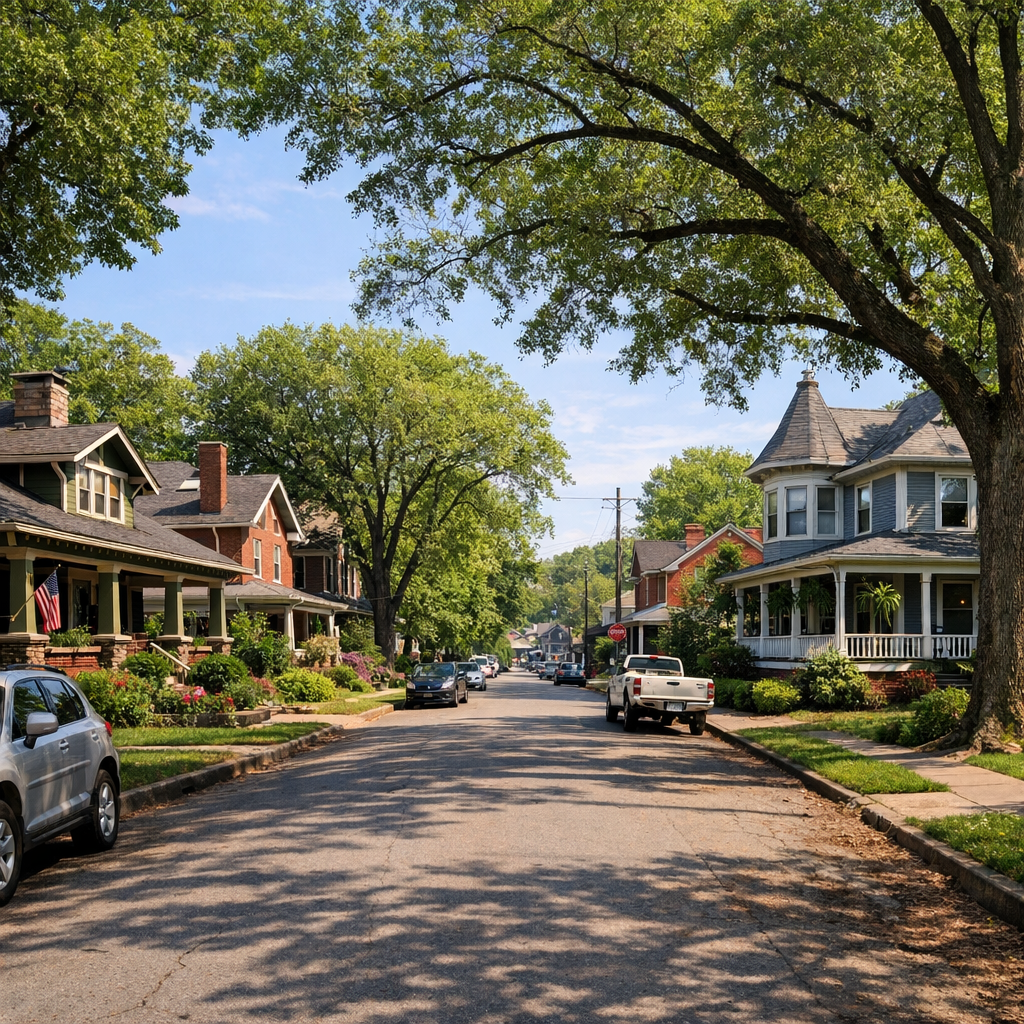
When I walk down 12th Avenue or through Edgehill, I don’t just see buildings and paved streets — I see threads of memory, people who once gathered on stoops and hardwood porches, businesses that carried familiar names, churches where our elders worshipped together. I see a Nashville that many of us grew up in, and a Nashville changing so fast it sometimes feels like it already happened. This isn’t nostalgia; this is a lived tension between staying and belonging.
Roots and Displacement
Long-time Nashvillians, especially in historically Black neighborhoods like Edgehill, have felt the sharpening impact of growth. Between 2002 and 2016, housing costs in parts of Edgehill rose by about 135%. In that same span, Black households in the area dropped significantly. These weren’t abstract statistics — these were friends, family, neighbors.
Owning or renting in these neighborhoods used to feel doable — paycheck stretched just enough, community support offset the cost. Now, many are being priced out. Those unable to keep up with rising rents or property taxes are leaving — moving to areas further away from everything they’ve ever known.
The Emotional Cost of Growth
Change isn’t purely financial. It shows up in conversations at the kitchen table: “Do I still recognize my neighborhood?” “Will people who look like me still live here?” New art galleries are great, and I love finding new cafés — but when beloved local diners close and residents driven out, what replaces that is often cold and deliberate.
I’ve talked with people who grew up here, watched Nashville grow, who now feel like guests more than citizens. And in those conversations, there’s a weariness — a fear that the character of this place won’t be theirs any longer; that memory won’t matter when the price tag gets too high.
When Staying Feels Like Loss
For those staying, the choice often carries guilt. Staying means bearing the cost of property tax hikes, code violations when landlords cut corners, and feeling invisible in public planning meetings. Some locals say they stay because this is home; some because it’s all they can afford.
What Can Be Done Without Losing What We Have
There are no perfect solutions — but there are pathways forward that many long-time Nashvillians believe in:
- Building and preserving permanently affordable housing so people who’ve laid down roots don’t have to leave.
- Ensuring that community voices matter when zoning or development decisions are made — that they aren’t just “stakeholder engagements” where decisions are already baked in.
- Supporting neighborhood projects and local businesses, helping them survive the rising costs and setbacks of being small amid big investment.
- Reimagining tax policy and property assessments to recognize the burden on long-time homeowners who may not have had the windfall of high home appreciation.
Nashville is still our city. It can be a place of honoring where we came from while embracing where it’s headed. But if we lose the people who carried its stories, we risk losing the heart of what makes it unique.
What do you think Nashville can do to keep its sense of community alive, especially for those who’ve been here longest? Drop me a message.