

By William Thompson
Nashville and Middle Tennessee are seeing subtle but important environmental shifts. The effects of rising temperatures, shifting rainfall, and increasing pressures on forests and air quality are becoming clearer. Understanding these changes helps us prepare and protect what matters most: clean air, healthy green spaces, and resilient natural systems.
Rising Temperatures & Weather Extremes
Recent climate assessments show that Tennessee has warmed notably over the past few decades, with projections pointing toward even warmer summers ahead. The number and intensity of extreme heat events are expected to increase, while cold snaps become less frequent. Combined with shifts in rainfall, this means periods of drought may intensify—droughts that quickly follow heavy rains.
These changes round out a pattern of more unpredictable weather: intense downpours causing flooding followed by dry spells that dry out soil and raise fire risk. Nashville residents should be aware of this amplified weather variability as it can strain water resources, disrupt agriculture, and test the resilience of urban infrastructure.
Forest Health Under Pressure
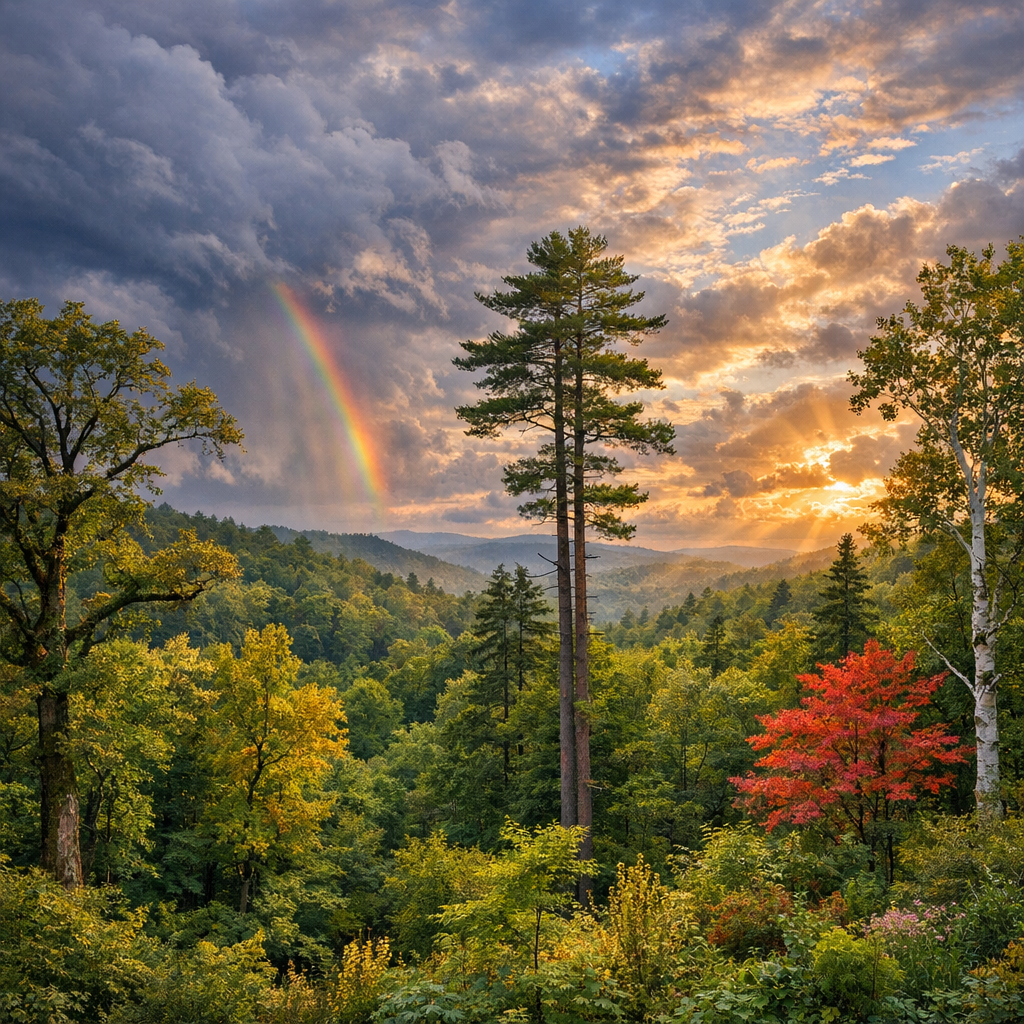
Tennessee’s forests stretch across public and private lands, and they form a core part of the state’s ecosystem and identity. But they are facing multiple stressors: insect pests, invasive species, diseases, and changing moisture and temperature regimes.
Forest experts note that warmer winters enable more insects to survive, increasing outbreak potential. Certain tree species—like red spruce and Fraser fir—at higher elevations are already under pressure from warming conditions, acid rain, and air pollutants. Over time, forest composition may shift, favoring species more tolerant of heat or drought and potentially reducing biodiversity.
Air Quality, Allergies, and Health
Hotter temperatures and stagnant air patterns contribute to elevated ground-level ozone, which aggravates respiratory illnesses and makes summer outdoor activity tougher for vulnerable groups. Local air quality reports also track pollen levels carefully, since longer growing seasons and intensified plant growth can trigger seasonal allergies earlier and make them more severe.
Public health agencies recommend checking daily Air Quality Indices, reducing outdoor exposure during high ozone days, and managing allergens indoors—especially for children, seniors, and those with asthma or lung conditions.
What Nashvillians Can Do to Help
Collective action can make a difference. Here are steps individuals and community groups can take to build resilience:
- Embrace native landscaping—plants adapted to local conditions can withstand drought and resist pests naturally.
- Support forest management practices that reduce overcrowding and encourage diverse age and species structure.
- Limit outdoor burning and follow local fire safety guidelines during dry periods.
- Monitor local air quality and participate in efforts to reduce emissions—from vehicles, industry, and power generation.
- Advocate for green infrastructure—rain gardens, permeable pavement, shade tree cover—that helps manage runoff and heat.
Looking Forward
Nashville’s environment is changing, but it’s not helpless. Property owners, community leaders, scientists, and elected officials all have a role to play. By staying informed, adapting practices, and investing in resilient ecosystems, we can ensure that Nashville’s tree-lined neighborhoods, waterways, and wildlife endure.