

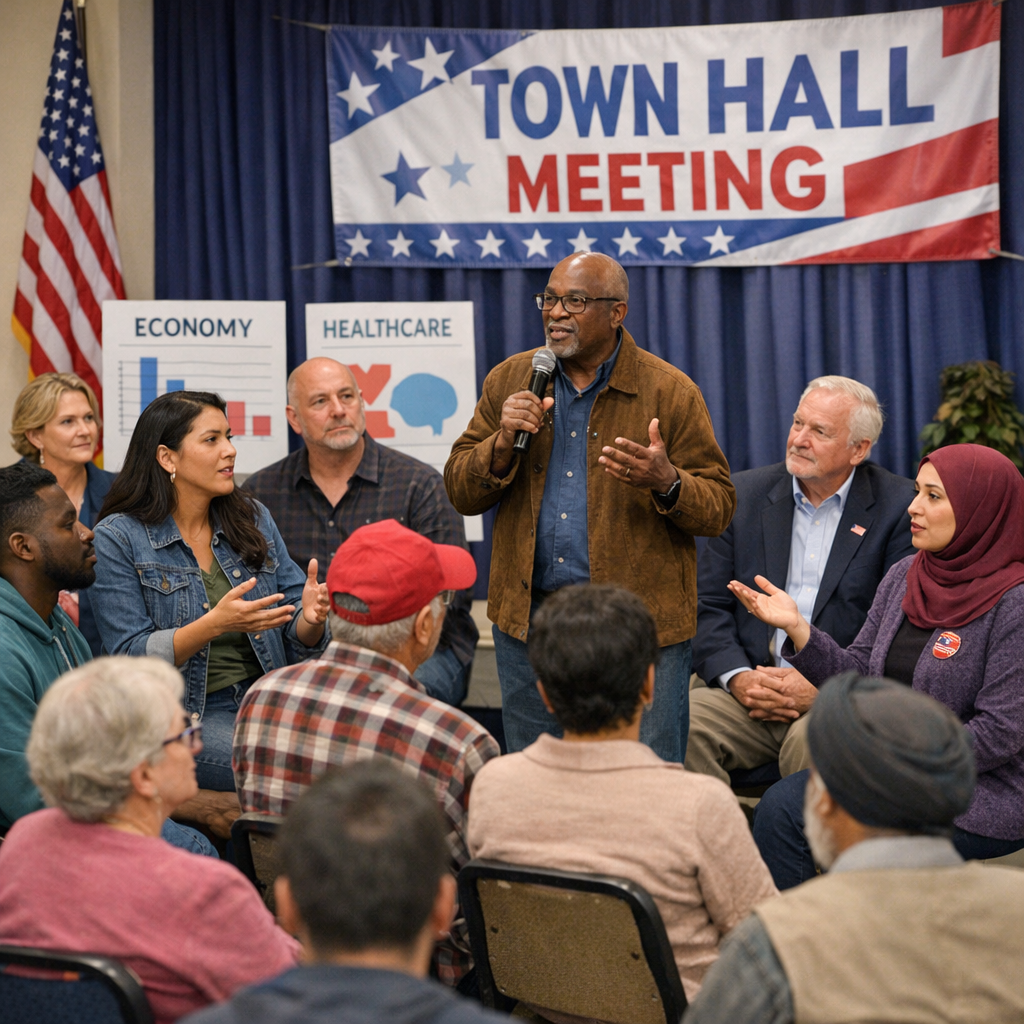
As Congress prepares to convene, recent polls make clear what voters across the country want leaders to tackle first: the U.S. economy and affordability, along with resolving America’s military involvement abroad. These priorities are consistently ranked higher than investigations into recent administrations or other flashpoint cultural issues.
Top Concerns: Economy and War
According to an AP-NORC poll released today, regardless of party, voters list making life more affordable as their number one priority. The war in Iran—specifically ending or limiting U.S. involvement—comes in a close second.
Pew Research shows the economy as the dominant issue for nearly nine in ten voters, whether they lean Republican or Democrat. Other topics like healthcare, education, and immigration follow, but by noticeable margins.
Party Lines, Major Gaps
Where parties diverge sharply is in what’s next on their lists. Democratic voters place much more importance on issues like climate policy, investigations into President Trump’s administration, and abortion rights. Republican voters are more focused on border security, immigration, and religious freedom.
Voters across the political spectrum express deep concern about inflation, healthcare costs, and the growing federal deficit. Even issues often seen as partisan—such as elections or foreign policy—are viewed through the lens of how they affect everyday living.
What This Means for Congressional Action
With midterm elections looming, the priorities laid out by voters suggest lawmakers will need to focus on the basics. Controlling inflation, lowering costs for healthcare and housing, and ensuring citizens see immediate relief may drive much of the upcoming legislative agenda.
But meeting those expectations won’t be easy. Deep partisan divides mean that compromise on key issues like climate action or military engagement may require lawmakers to reach across the aisle in unprecedented ways. The polls indicate public desire for action—but the path leaders take will define how effective that action is.