

By Sophia Anderson
Nashville is in the midst of deep transformation—bold investments and fresh policy directions are reshaping our city’s streets, housing, and riverfront. These shifts aim to serve everyone, especially neighborhoods that have long waited for upgrades. Here’s a look at key projects and debates underway that will impact our daily lives for years to come.
Schools & Public Infrastructure Investments
Mayor Freddie O’Connell’s latest capital spending plan has prioritized new and upgraded public infrastructure across the city. Among its top commitments: a brand new elementary school in Antioch; updates to several fire stations; repairs to greenways; and the addition of a new Richland Park Library. Ensuring critical services are accessible in fast-growing neighborhoods is central to the plan.
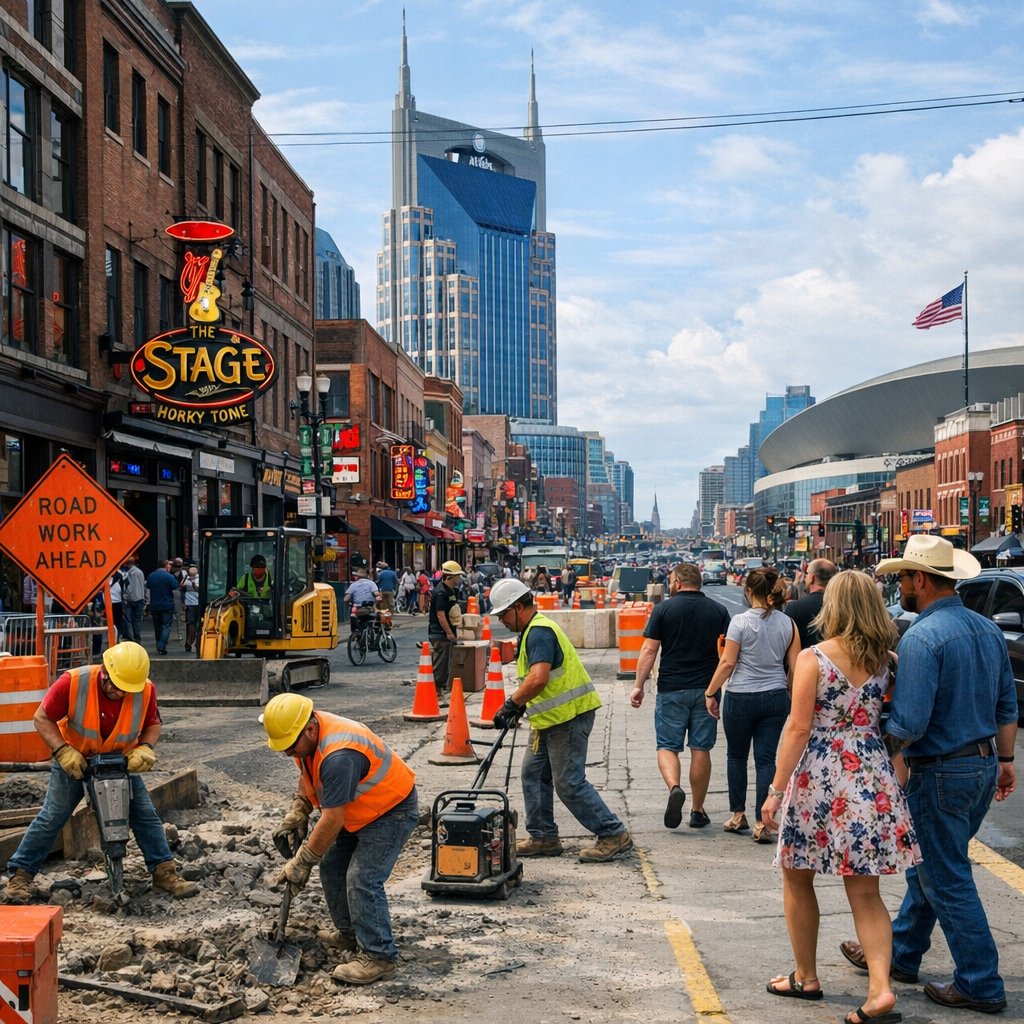
The city’s Department of Transportation & Multimodal Infrastructure (NDOT) is also receiving funding to fix and maintain roads, bridges, sidewalks, and intersections—even expanding snow removal capability to support routes that previously went unplowed.
These investments reflect a growing consensus that Nashville must build in speed, equity, and resilience if we are to keep up with population growth and climate pressures.
Moving Around: Choose How You Move & The East Bank Vision
The voter-approved Choose How You Move initiative (CHYM) is advancing with visible results. Major facets include expanded sidewalks, smarter traffic signals, safer crossings, and transit infrastructure in priority corridors like Gallatin Pike and Nolensville Pike. NDOT has also deployed advanced traffic management systems to reduce congestion and improve safety across busy routes.
Meanwhile, on the riverfront, the East Bank redevelopment is gaining momentum. The former ‘‘scrapyard’’ site is now rezoned under Downtown Code, setting the stage for The East Bend project—a mixed-use neighborhood designed to blend new housing, public spaces, and connectivity across the river. These changes are being guided by zoning updates, design standards, and public investment in streets and infrastructure around the site.
Housing, Zoning, & Community Character
Nashville is wrestling with how much, where, and what kind of housing it should allow—not just for new residents but for longtime ones in changing neighborhoods. The Housing & Infrastructure Study examines whether our zoning rules and infrastructure capacity are equipped to meet demand and support diverse housing types.
Residents have raised concerns: that some new buildings are too large for existing blocks, lack adequate green space, or overlook access to transit. City planners are responding with drafts proposing zoning code changes, new character policies, and schedule updates to both build faster and protect neighborhood identity.
What’s Coming & What You Can Do
- Plans for more sidewalks, improved transit centers, bridge repairs, and resilient stormwater infrastructure are in the pipeline.
- The East Bend neighborhood will be a litmus test for how Nashville balances growth with inclusivity and public benefit.
- Community involvement will be essential. Public input sessions, neighborhood plan reviews, and engagement on zoning changes provide a chance to shape these projects to serve everyone.
Nashville’s future depends as much on smart design and effective policy as on how well we ensure all voices are heard—and all parts of town feel connected and served.