

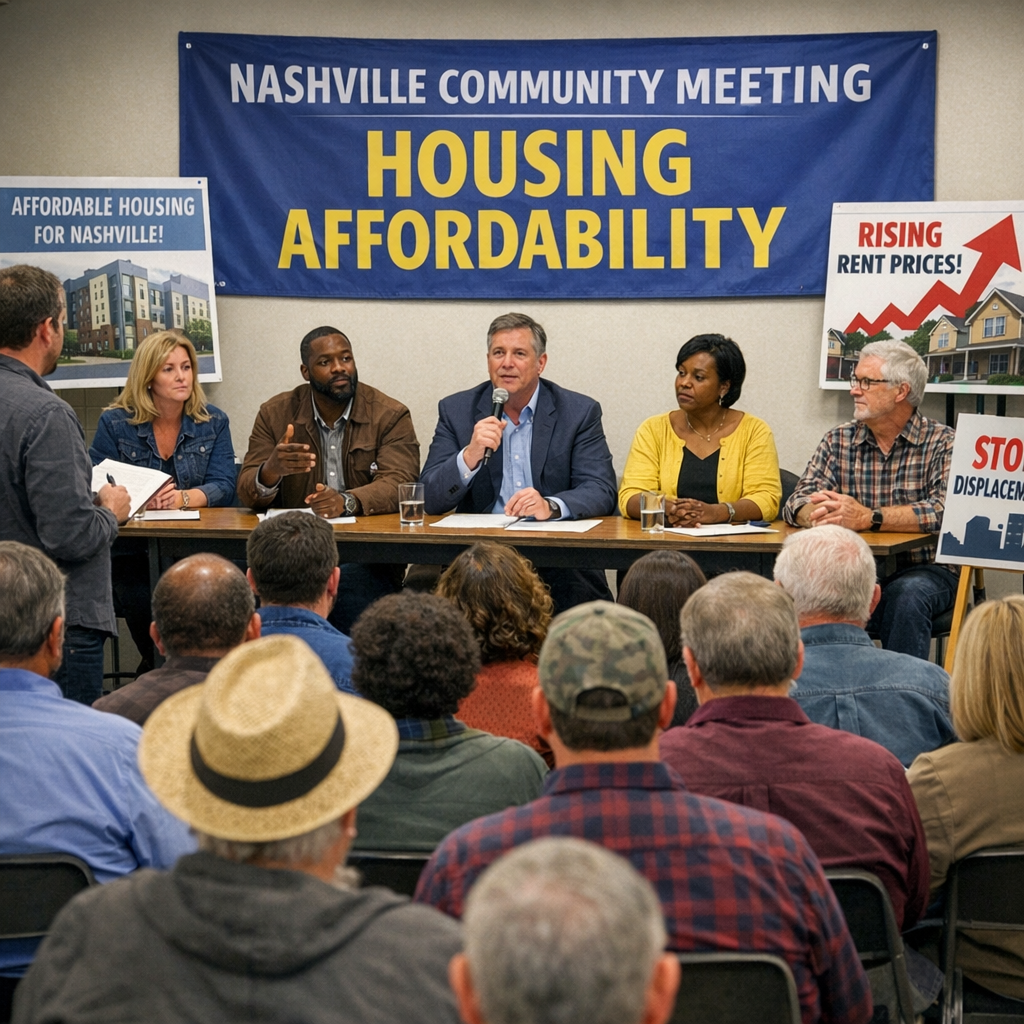
Nashville’s rapid growth has brought prosperity to many, but it has also intensified affordability challenges, especially among African American residents. The Metro Social Services’ 17th annual Community Needs Evaluation report sheds light on these disparities, revealing that the poverty rate for African Americans in Davidson County stands at 18%, compared to the overall rate of 11.9%. Additionally, the unemployment rate for African Americans is 5.5%, nearly three times that of white residents at 2.0%.
Housing affordability remains a pressing concern. Nearly half of all renters in Nashville are “cost-burdened,” spending more than 30% of their income on housing. This financial strain is exacerbated by the city’s rapid population growth, with 79% of residents believing Nashville is expanding too quickly. Traffic congestion and the rising cost of living are cited as primary reasons for this sentiment.
In response to these challenges, community-driven initiatives are emerging. Residents are fostering stronger neighborhood connections through informal gatherings, such as “Wine Wednesday” events and dog meet-ups at local parks. These grassroots efforts aim to build a sense of community and support amidst the city’s evolving landscape.
Furthermore, the Music Community Foundation has been established to connect Nashville’s music artists with philanthropic resources, aiming to amplify charitable efforts within the community. This initiative reflects a broader commitment to addressing social issues through collaborative action.
As Nashville continues to grow, it is imperative for both city officials and residents to collaborate on sustainable solutions that ensure affordability and inclusivity for all. By leveraging community engagement and targeted initiatives, Nashville can strive to create a city where every resident has the opportunity to thrive.