

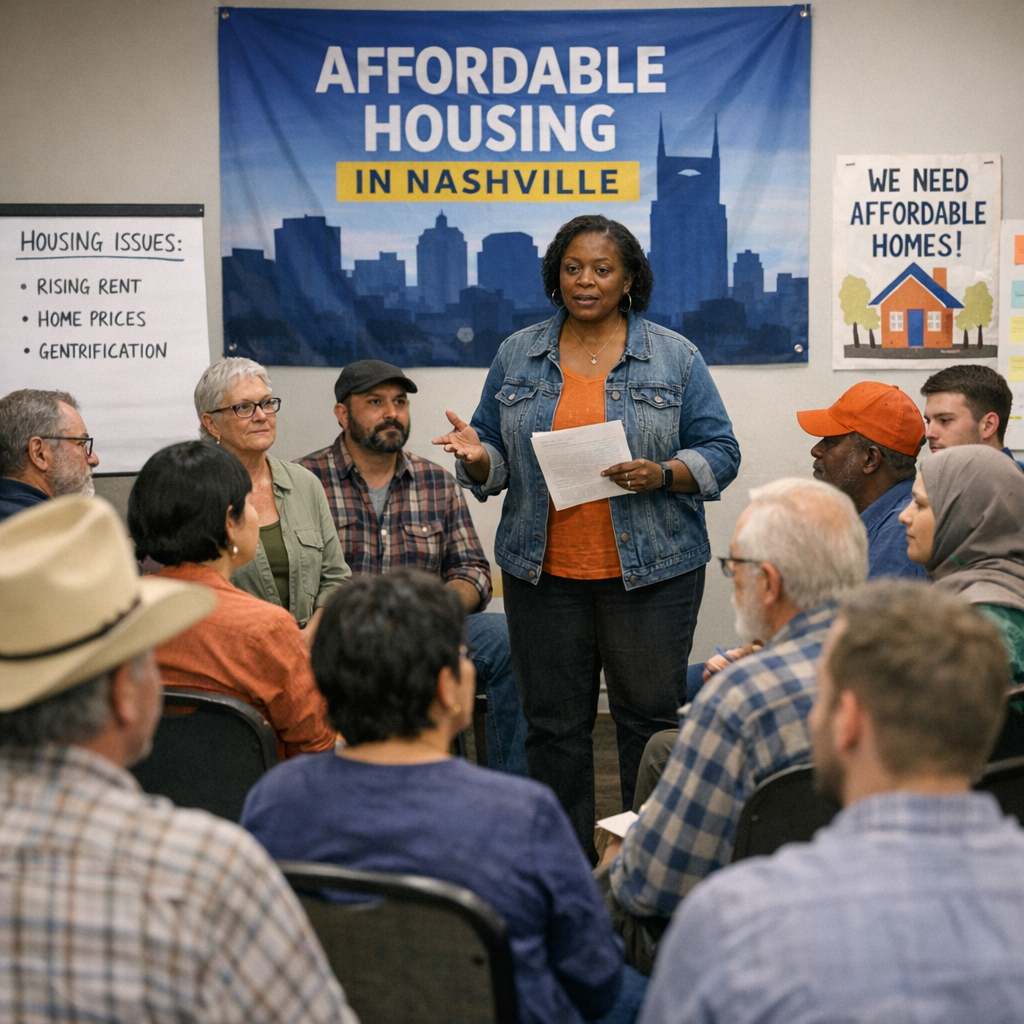
Nashville’s rapid growth has brought prosperity to many, but it has also intensified affordability challenges, especially for African American residents. Recent reports highlight the disparities in housing, employment, and overall economic opportunities within our community.
Housing Affordability Concerns
A Vanderbilt University poll revealed that 82% of Nashville residents feel they cannot afford to buy a home in Davidson County. This sentiment is even more pronounced among Black and Hispanic families, who can afford median-valued homes in less than 1% of Nashville’s neighborhoods. The city’s housing crisis is exacerbated by a history of discriminatory practices and the rising cost of living.
Economic Disparities
The Metro Social Services’ annual Community Needs Evaluation report underscores the economic challenges faced by African American residents. The report indicates that Black workers experience higher unemployment rates and lower wages compared to their White counterparts, even with similar educational backgrounds. Additionally, nearly half of all renters in Nashville are “cost-burdened,” spending more than 30% of their income on housing.
Community Initiatives and Responses
In response to these challenges, local organizations and government agencies are taking action. The Nashville Food Project, in collaboration with Metro government, launched the FeedBack Nashville initiative to address food insecurity affecting over 80,000 residents. Furthermore, the city’s Community Health Improvement Plan aims to tackle health disparities by fostering a culture of compassion and well-being.
Building Stronger Neighborhoods
Despite these systemic issues, many Nashvillians are finding ways to strengthen community bonds. Residents are organizing neighborhood gatherings, book clubs, and other social events to foster connections and support networks. These grassroots efforts are vital in creating a sense of belonging and resilience amid economic challenges.
As Nashville continues to grow, it’s imperative that we address these affordability issues to ensure that all residents can thrive. By acknowledging the disparities and working collaboratively, we can build a more inclusive and equitable community.