

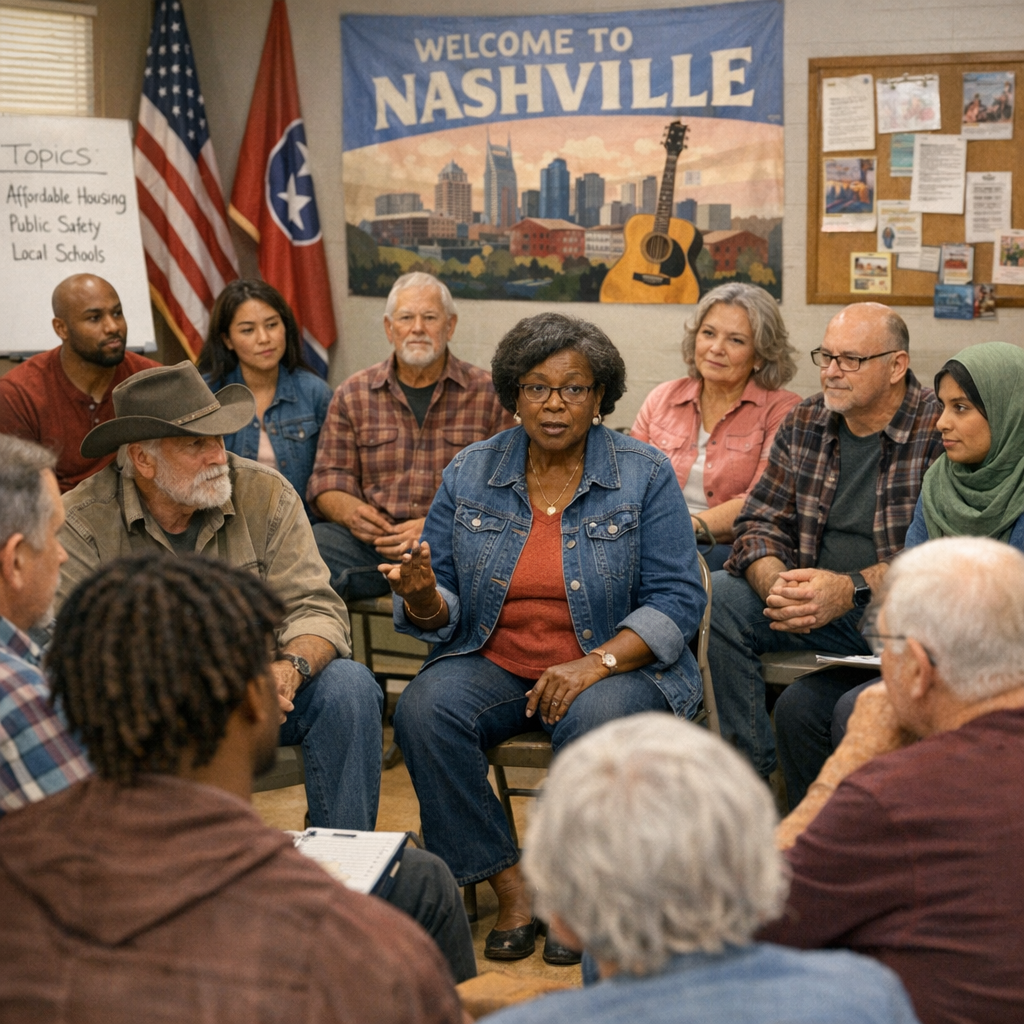
Nashville’s rapid growth has brought prosperity but also significant challenges, particularly in housing affordability and economic disparities. Recent studies highlight these pressing issues, prompting community-driven solutions to ensure inclusivity and affordability for all residents.
Housing Affordability Concerns
A Vanderbilt University poll reveals that 82% of Nashville residents feel they cannot afford to buy a home in Davidson County. This sentiment underscores the city’s ongoing housing affordability crisis, despite initiatives like the Unified Housing Strategy aimed at increasing affordable housing supply. In fiscal year 2025, city funding supported the construction and preservation of nearly 1,800 affordable housing units. However, many residents remain concerned about being priced out of their communities.
Economic Disparities Among African American Residents
Metro Social Services’ 17th annual Community Needs Evaluation report highlights that African American residents in Nashville face significant affordability challenges. The report identifies historic and contemporary causes of the wealth gap, noting that the poverty rate for African Americans in Davidson County is 18%, compared to the overall rate of 11.9%. Additionally, Black workers experience higher unemployment rates and lower wages than their White counterparts, even with comparable education levels.
Community Initiatives and Solutions
In response to these challenges, various community initiatives have emerged. For instance, the Imagine Nashville project engaged over 10,000 residents to gather insights into their concerns and expectations. The findings revealed a strong sense of belonging among many Nashvillians but also highlighted that more than half of the city’s low-income population feels excluded from the benefits of living in Nashville. This feedback is guiding efforts to create more inclusive policies and programs.
Furthermore, residents are taking grassroots approaches to build community and support one another. Simple yet effective strategies, such as neighborhood gatherings and informal meet-ups, are fostering connections and providing support networks. These efforts demonstrate that community building often begins with small, informal interactions rather than elaborate events.
Moving Forward
Addressing Nashville’s affordability crisis requires a multifaceted approach, combining policy initiatives with community-driven solutions. By acknowledging the disparities and actively working towards inclusivity, Nashville can strive to be a city where all residents have the opportunity to thrive.