

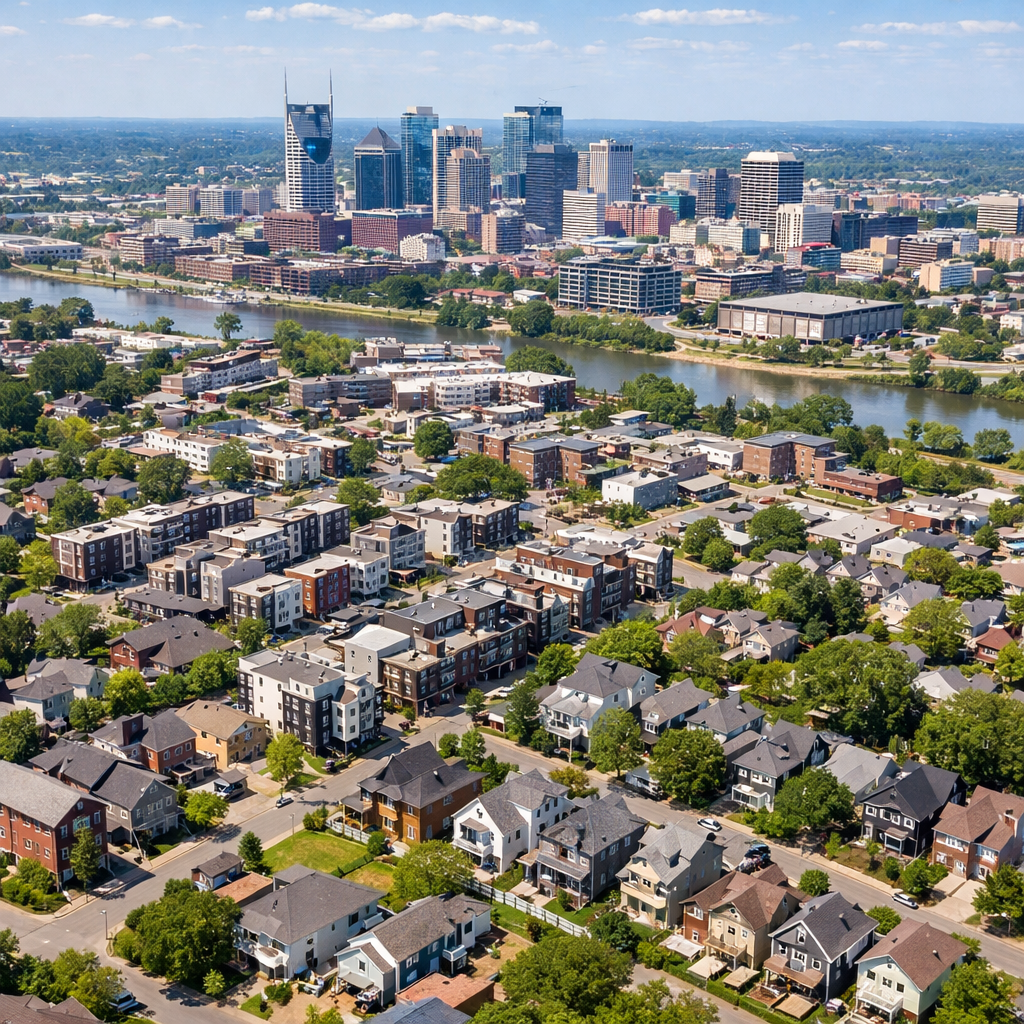
Nashville’s rapid growth has brought prosperity but also significant challenges, particularly in housing affordability. A recent Vanderbilt University poll reveals that 82% of residents feel they cannot afford to buy a home in Davidson County, highlighting a pressing issue that demands attention.
Understanding the Crisis
The city’s housing market has seen escalating prices, making homeownership increasingly unattainable for many. This trend disproportionately affects African American residents, who face higher poverty rates and unemployment compared to their white counterparts. According to the American Community Survey’s 2024 estimates, the poverty rate for African Americans in Nashville stands at 18%, significantly higher than the city’s overall rate of 11.9%.
Community Initiatives
In response, various community organizations are stepping up. The Nashville People’s Budget Coalition advocates for reallocating city funds to support affordable housing initiatives. Additionally, the Elmahaba Center focuses on building inclusive communities, particularly among Arabic-speaking residents in South Nashville, to address economic immobility and segregation.
Policy Measures
Local government is also taking action. Mayor Freddie O’Connell’s administration has proposed the Unified Housing Strategy, aiming to increase the supply of affordable housing. In fiscal year 2025, city funding supported the construction and preservation of nearly 1,800 affordable housing units. However, challenges remain, as public support for multifamily housing has waned, with many residents preferring such developments be limited to dense areas to preserve neighborhood character.
Looking Ahead
Addressing Nashville’s housing affordability crisis requires a multifaceted approach, combining community engagement, policy reform, and strategic development. By fostering collaboration among residents, organizations, and policymakers, Nashville can work towards a future where all its residents have access to affordable and secure housing.