

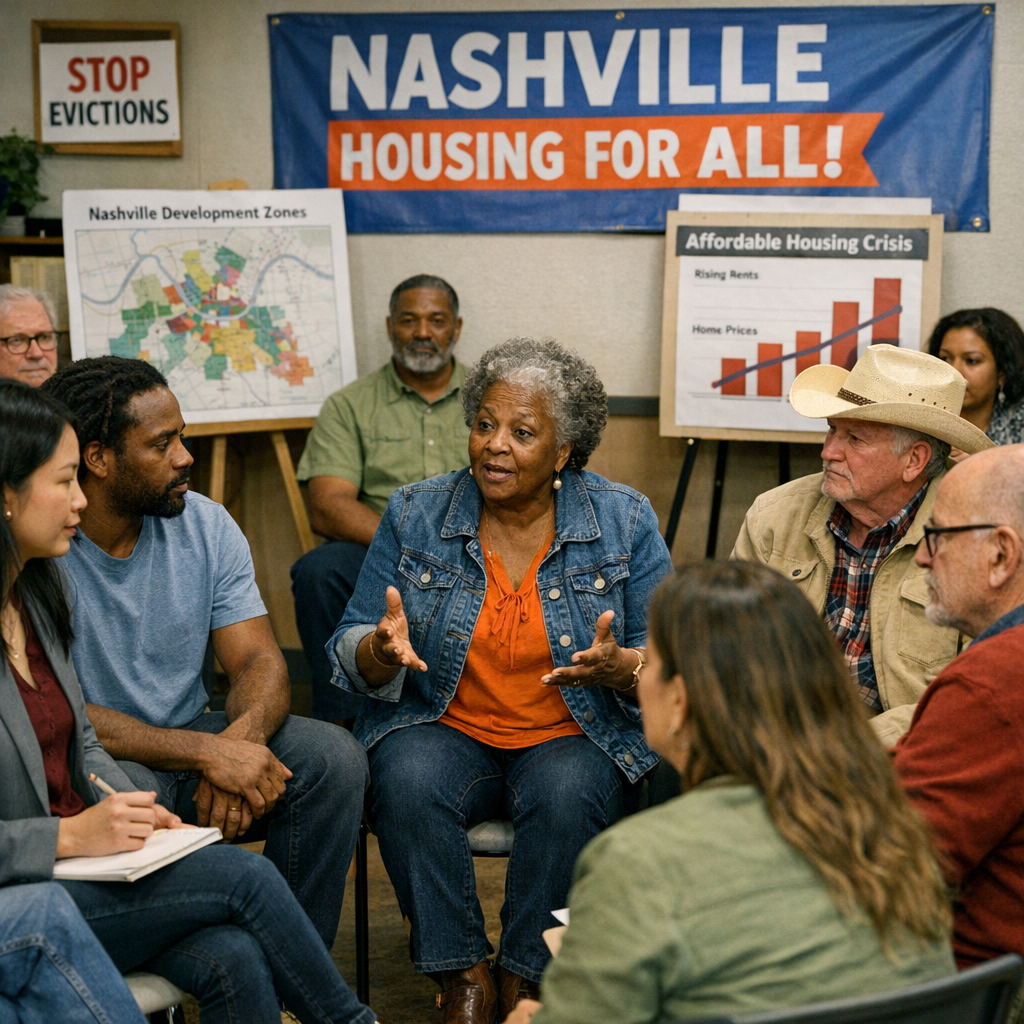
Nashville is grappling with a significant housing affordability crisis. Recent data indicates that 82% of residents feel they cannot afford to purchase a home in Davidson County. This alarming statistic underscores the growing economic challenges faced by many in our community.
Understanding the Crisis
The median household income in Nashville stands at $91,000, yet to afford a median-priced home, an income of approximately $120,000 is required. This $30,000 gap highlights the financial strain on potential homeowners. Over the past five years, home prices have surged by over 53%, further exacerbating the issue.
Disproportionate Impact on Black Residents
The crisis disproportionately affects Black Nashvillians. The poverty rate among African American residents is 18%, compared to the city’s overall rate of 11.9%. Additionally, Black workers face higher unemployment rates and lower wages than their white counterparts, even with comparable education levels. These disparities contribute to the challenges in accessing affordable housing.
Community Initiatives and Policy Responses
In response to these challenges, various community organizations and local government agencies are taking action. Metro Social Services has released an interactive mapping tool to identify areas experiencing gentrification, wage disparities, and poverty. This tool aims to inform targeted interventions and policy decisions.
Furthermore, the city has funded the construction and preservation of nearly 1,800 affordable housing units in the fiscal year 2025. However, with the majority of residents prioritizing affordable housing, continued efforts are necessary to meet the demand.
Building Community Resilience
Amid these challenges, Nashville residents are finding creative ways to build community and support one another. From neighborhood gatherings to collaborative initiatives, these grassroots efforts foster a sense of belonging and resilience, essential in navigating the housing crisis.
Addressing Nashville’s housing affordability crisis requires a multifaceted approach, combining policy reforms, community engagement, and targeted support for vulnerable populations. By working together, we can strive towards a more equitable and accessible housing landscape for all Nashvillians.