

By Sophia Anderson
Nashville finds itself at a critical turning point. Several long-standing city-level issues—housing affordability, transportation reform, and zoning rules—aren’t just headlines; they’re shaping daily life for many residents. They’re complicated, interlinked, and unfolding right now.
Housing Affordability: Crisis Meets Contradiction
Affordable housing came up again and again in recent Metro Council budget hearings. Residents praised programs like eviction right to counsel and asked for more funds for social services, child care, and Nashville General Hospital. At the same time, many pointed out a striking contradiction: while a housing crisis grips many, thousands of luxury housing units remain vacant. The gaps are glaring.
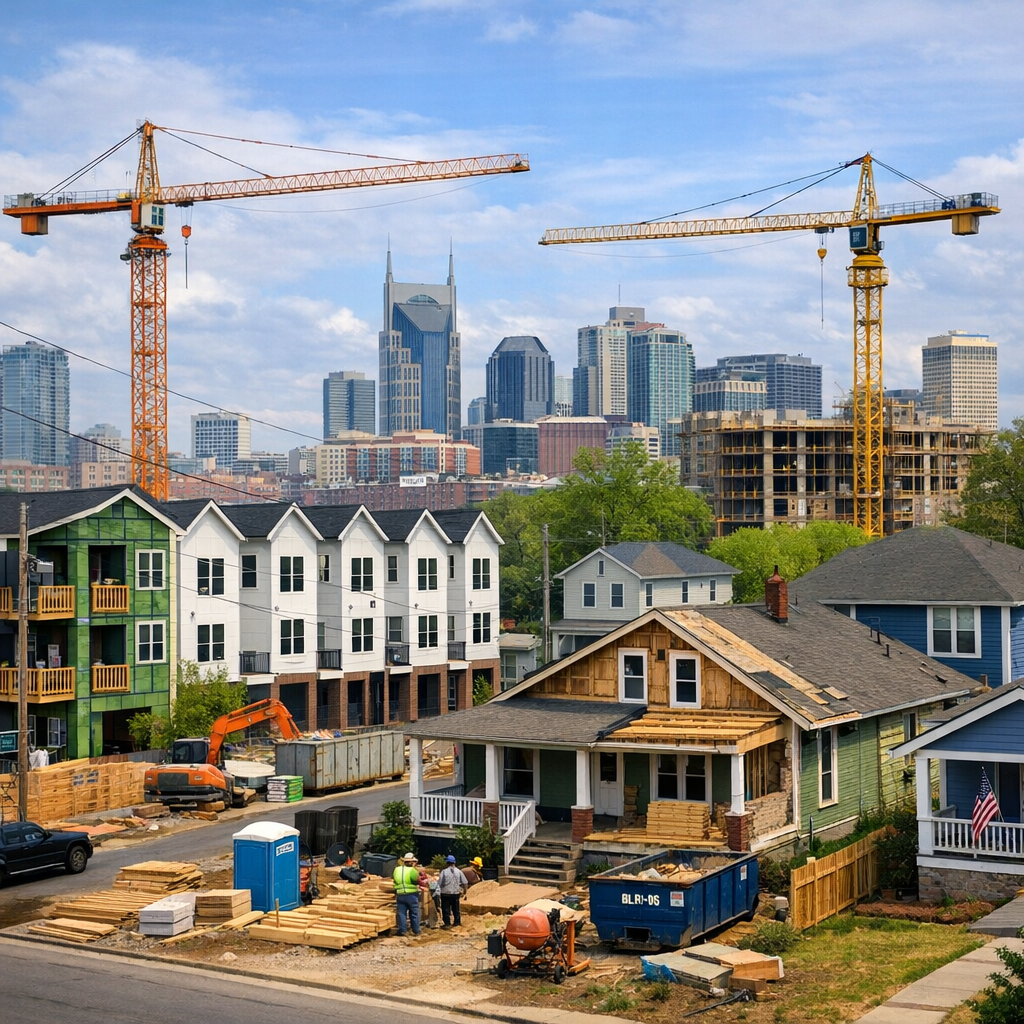
According to city planning documents, zoning and permitting processes, high land costs, and limits on density continue to hamper new housing projects—especially those affordable for middle- and low-income families. Advocates argue that fewer delays and more flexible zoning could help, but there’s also strong pushback from neighborhoods that want to hold onto existing character and scale.
Transportation Reform: Big Plans, Mixed Signals
After voters passed the “Choose How You Move” tax in 2024, Nashville rolled out major proposals to improve transit—rapid‐bus lines, infrastructure upgrades, enhanced pedestrian safety, and more traffic signal coordination. Early data shows some gains: new smart signals have cut delays on Lebanon Pike by about 20%. But these initiatives are expensive and depend on steady oversight and funding.
Meanwhile, rideshare and taxi drivers are raising alarm. Over 160 drivers have signed a petition accusing transportation officials of unfair ticketing and racial profiling—especially around popular downtown pickup and drop‐off zones. Many say they’re being fined hundreds of dollars for short loading or unloading periods, despite providing a service many Nashvillians rely on.
Zoning, Neighborhoods, and the Clash Over Growth
When it comes to zoning, Nashville is wrestling with itself. The city’s Housing & Infrastructure Study has laid bare gaps between infrastructure capacity and growth patterns—many neighborhoods are growing up without the roads, utilities, or green space to support them. Metro Council is considering revisions to the zoning code to allow more middle‐scale housing types and greater density, especially close to transit hubs, downtown, and urban corridors.
But resistance remains fierce. Some residents fear that increased density will change neighborhood character, strain parking, or worsen traffic. These concerns often play out in public hearings with high emotion—normal for land‐use debates—but city leaders are under pressure to find a balance that addresses inequities without alienating long‐time residents.
What Nashvillians Should Watch
- How Metro allocates its next budget—especially funding toward affordable housing, childcare, and public transit.
- Revised zoning code proposals to allow more multi-family or “missing middle” housing in traditionally single‐family zones.
- Outcomes of the rideshare drivers’ petition—whether ticketing guidelines change or oversight increases.
- Progress on infrastructure tied to growth—grid upgrades, sewer and water capacity, green space, sidewalks, bike lanes.
These issues don’t resolve quickly or cleanly—they intertwine and tug each other in different directions. But it’s clear: Nashville’s next chapter depends on how these challenges are addressed. For many locals, the difference between a livable city and a city that’s impossible to call home will come down to whether decisions made today help or harm tomorrow.