

By Michael Williams
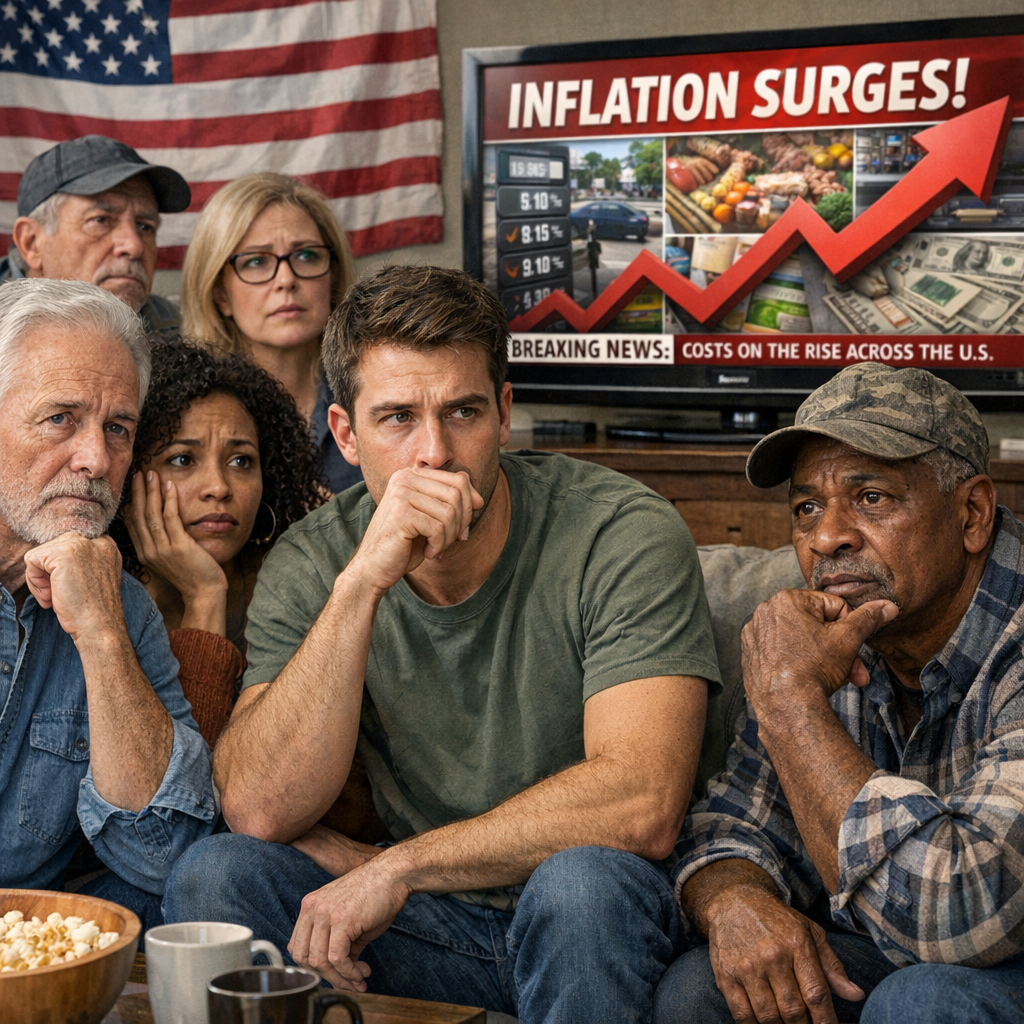
The national mood reflects growing economic anxiety. While the job market looks durable and inflation has eased from its peak, many Americans struggle with high prices, weak wages, and a sense that government isn’t helping enough.
High Prices Still Squeeze Households
Inflation remains well above target, especially for essentials. Though consumer prices have moderated in some areas, costs for housing, healthcare, and energy continue to rise faster than wages for many. Surveys show these are the top issues of concern. High gasoline costs are reshaping routines — with two-thirds of households reporting financial strain tied to fuel expenses. (Consumer price trends, concern over healthcare and goods are at peak levels.)
Job Numbers Look Strong — But Feel Weak
The unemployment rate remains low, and job growth has been steady, but many workers say their paychecks aren’t keeping pace. Real earnings — what your wages can actually buy — have stagnated, leaving people feeling the economic gains haven’t reached them. This disparity between macro strength and everyday hardship is contributing to low consumer confidence.
Trust in Government Under Strain
Data indicates a decline in trust in institutions. Many worry government officials are out of touch, or that policy actions favor powerful interests over regular people. Rural voters in particular report dissatisfaction with both local and national government performance. Faith in the ability of the federal government to address inflation, housing costs, or rising healthcare spending is especially low across political lines.
Broader Implications & What Comes Next
The economic frustrations aren’t just personal — they’re political. As trust erodes, people become more open to alternative political narratives or leaders promising swift action. Survey data shows rural voters are especially liable to hold negative views about both economic conditions and elected leaders. These shifts could influence voter turnout and outcomes, particularly in closely contested regions.
In the short run, policymakers who want to restore confidence will need to address not just inflation, but also affordability, transparency, and fairness in governance. Someone’s success in pushing that agenda may shape both the economy and the political landscape in coming years.