

My name’s Benjamin Lopez. I’ve spent a decade living on the edge of where change seems hardest to ignore. I’ve seen Edgehill, North Nashville, and parts of Belmont transform in small ways—then big ones. I’ve watched old neighbors move out, new ones move in, and wondered who gets to say what’s preserved and what’s lost.
The Price of Progress
Edgehill was built from struggle and triumph. Freed African Americans established deep roots here after the Civil War. Businesses, homes, churches—all raised by people who believed in the future. But as Nashville has grown, historic single-family homes sell faster than neighbors recognizing them. Walls go up around lots of land. Rents rise. Folks who once walked around the corner to buy groceries now drive across town because local shops are gone.
Belonging vs. Belonging to
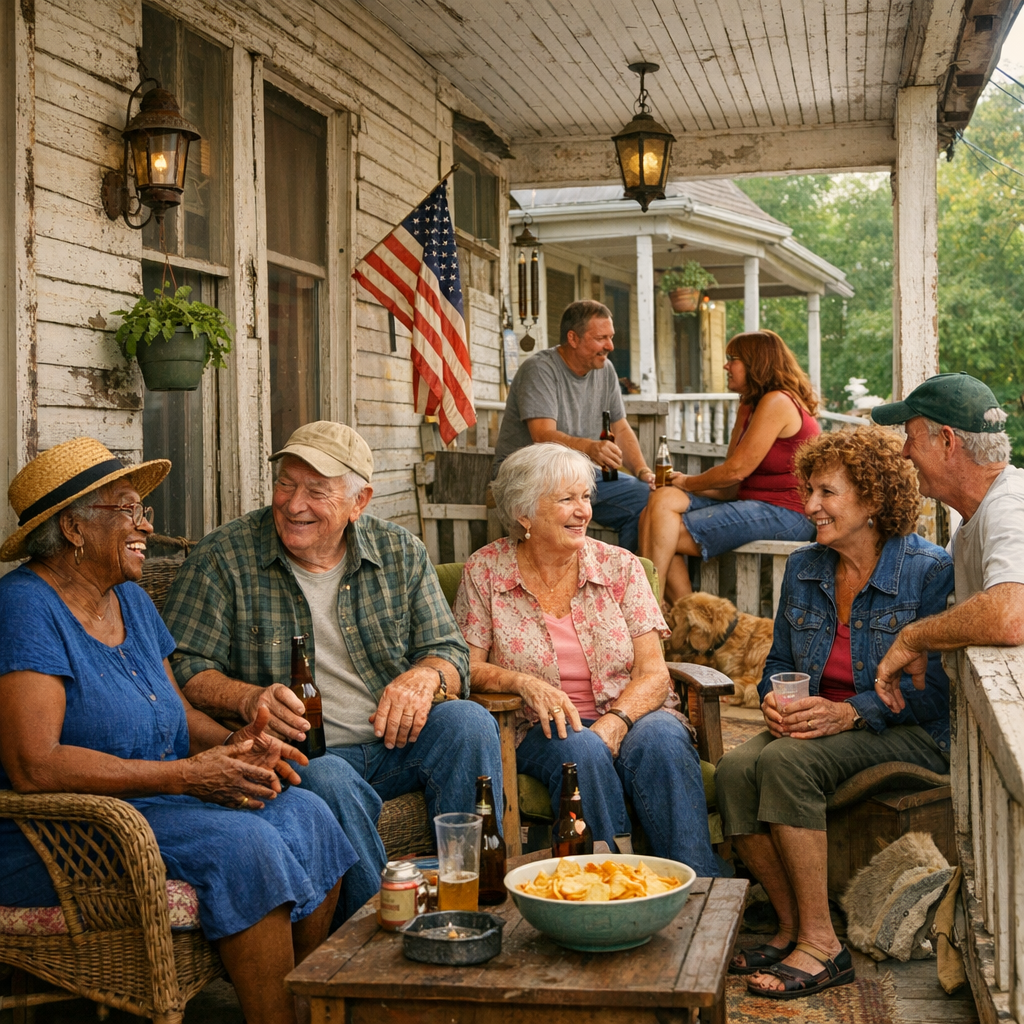
Belonging is personal—it’s that sense you had growing up that you could touch your past, hear what your neighbors said, pray where your family did, or sit on a porch as summer storms rolled in. But in many longtime Black neighborhoods, that belonging is becoming fragile.
Cleveland Park used to be over 75% Black in 1970. Over decades its demographics shifted, and many Black households have left, priced out by rising housing costs. And that’s not just numbers ticking up—the stories, the faces, the lived patterns of friendship and care change. When people you grew up with move away not by choice but by necessity, you lose more than a street corner, you lose parts of your memory.
What’s at Stake
- Heritage: buildings, churches, gardens—each holds snapshots of lives lived. When developers bulldoze a home, they erase that chapter.
- Culture: the rhythms of music, cooking, worship, laughter at the courthouse steps. These are woven into the pavements as much as the people.
- Identity: not just that of individuals, but of neighborhoods—their sense of who belongs and who listens.
Paths Forward: Rooting Change in Respect
Change in a growing city isn’t impossible. It’s necessary, maybe even inevitable. But it becomes oppressive when newcomers and decision-makers forget there were people here first—people whose lives still hold meaning in these block-level stories.
- Community-led development: Ambassador programs, historic preservation boards, landmarks status—all are tools that allow locals to guide what gets built and kept.
- Affordable housing that doesn’t feel like charity: housing policies that allow people who’ve always paid taxes and worked here to stay and pass homes down.
- Civic spaces: libraries, parks, gathering spots—places where the old and new neighbors can mix, eat hot chicken, hear stories, build bridges.
- Listen—to elders, to kids, to folks who don’t have white noise cancelling their voices. Their memories help us feel less lost.
Belmont, Edgehill, North Nashville—they’re not relics. They’re living, breathing parts of this city. They’ve always held joy, sorrow, hope. They deserve more than being postcards or bullet points in a zoning plan. Because what we keep is more than buildings—it’s who we are. And as Nashville surges forward, let’s not forget that progress built on forgotten stories is progress incomplete.