

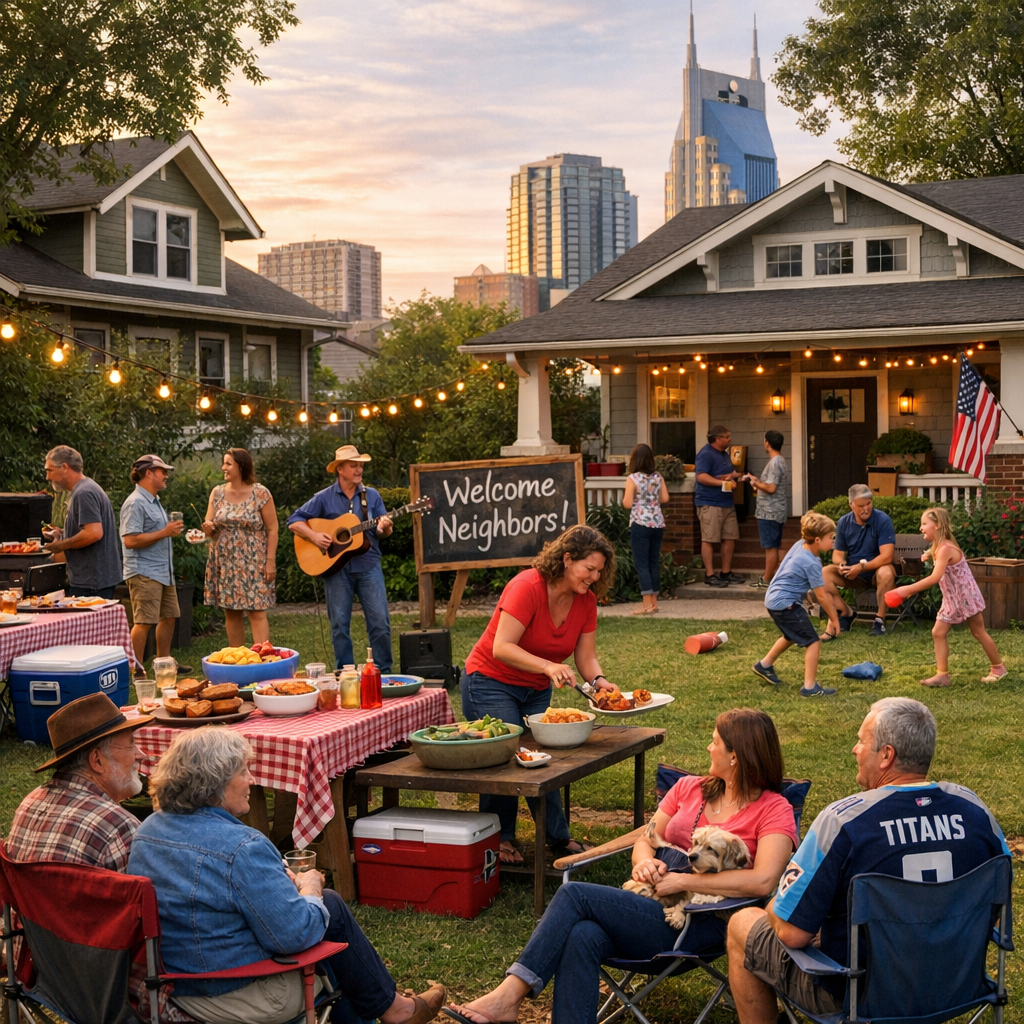
In an era where digital interactions often overshadow face-to-face connections, many Nashville residents are taking proactive steps to build and strengthen their neighborhood communities. These grassroots efforts not only combat social isolation but also foster a sense of belonging and mutual support among neighbors.
Simple Initiatives with Lasting Impact
Residents across Nashville have found that small, consistent actions can lead to meaningful relationships. For instance, Sally M. initiated casual “Wine Wednesday” gatherings by setting up chairs and snacks at the end of her driveway. This simple act evolved into a monthly book club and annual holiday open houses, creating a tight-knit community on her street.
Similarly, Josette K. started with summer treats like popsicles and pizza in her front yard, which gradually led to organized group vacations with her neighbors. These informal gatherings laid the foundation for deeper connections and shared experiences.
Leveraging Common Interests
Shared activities and interests have proven effective in bringing neighbors together. Kathy H. organized daily dog meet-ups at Dragon Park, fostering friendships among pet owners. This routine not only provided socialization for the dogs but also created a supportive network among their owners.
Additionally, Karen C. emphasizes the importance of everyday gestures, such as waving to neighbors during walks, asking gardening questions, and sharing produce. These small acts of kindness and engagement have strengthened the fabric of her community.
Institutional Support for Community Engagement
Beyond individual efforts, local institutions are also playing a role in promoting community engagement. Vanderbilt University encourages its staff to participate in local initiatives, aligning with its mission to serve the community and society at large. The university emphasizes principles like reflective learning, authentic relationships, and collaboration to create positive change in Nashville.
Furthermore, the Mayor’s Office of Civic and Community Engagement offers resources to help residents stay connected with Metro government. Programs like MyCity Academy educate residents on city operations and empower them to become community leaders.
Conclusion
Building a strong community doesn’t require grand gestures or significant resources. As demonstrated by Nashville residents, simple, consistent actions can lead to lasting relationships and a more connected neighborhood. Whether it’s organizing casual gatherings, leveraging shared interests, or participating in local programs, every effort contributes to a stronger, more vibrant community.