

By Isabella Baker
Why Long-Term Habits Trump Quick Fixes
Many people come into fitness and wellness seeking rapid results—weight loss, a sprint to the finish, or a challenge to check off the list. But as Nashville’s fitness landscape evolves, so does the understanding that strength, recovery, consistency, and mental health matter most over time. What feels doable week after week builds more than physical gains—it builds resilience.
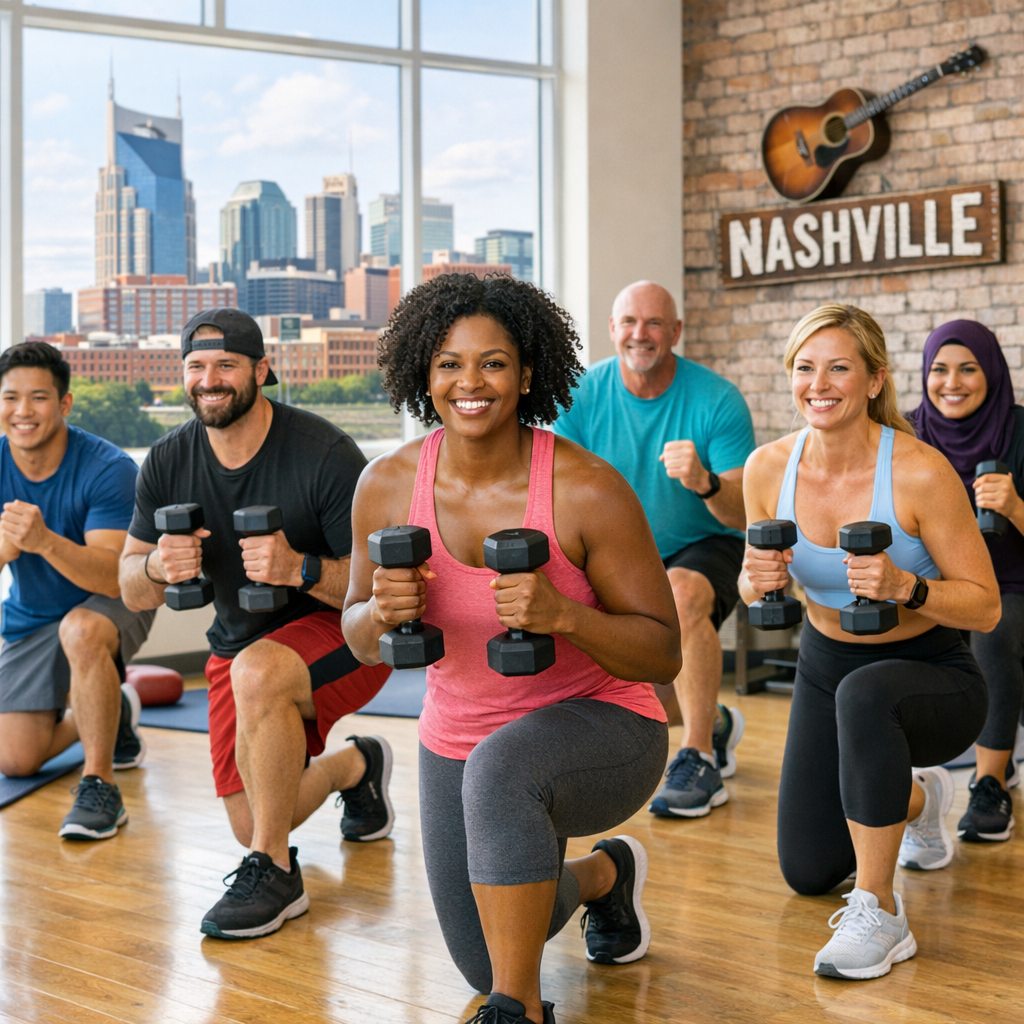
Local Spaces Where Wellness Meets Community
Metro Parks Fitness Centers
Nashville’s Metro Parks operates neighborhood and regional fitness centers, including the full-service Centennial Sportsplex. These centers offer strength and cardio equipment, group fitness instruction, and—fantastically—many neighborhood sites are free to use. They’re a great low-pressure entry point.
YMCA of Middle Tennessee
With a dozen locations around town, the Y provides access to pools, varied group classes (yoga, Zumba, strength), personal training, and childcare services. Membership options are flexible—ideal if you’re worried about long-term commitment.
Nashville Performance Club (NPC)
NPC represents a newer model: holistic fitness built on four pillars—Perform (strength/conditioning), Flow (mobility), Restore (recovery and nervous system work), and Play (community and social fitness events). Whether you’re a seasoned athlete or just beginning, it’s tuned to meet you where you are.
Connecting Physical Fitness & Mental Wellness
True wellness isn’t only about lifting weights or cardio—mental health is foundational.
City Mental Health Resources
The Metro Public Health Department offers behavior health and wellness services at no cost, including counseling for residents affected by community violence or opioid use—insurance not required. Locations include Lentz, East, and Woodbine Public Health Centers.
Chronic Conditions & Support
Programs like Living Well with Chronic Conditions offer workshops over several weeks to help people manage conditions like diabetes, asthma, or depression. These resources are designed to support daily life and build coping strategies.
Strategies to Stay on Track
- Set small, measurable goals—maybe a 10-minute mobility routine or one strength session per week to start.
- Track more than one thing. Sleep quality, mood, and energy matter nearly as much as steps or time at the gym.
- Prioritize recovery. Movement-based recovery, cold exposure, rest days—these are all part of sustainable progress. NPC emphasizes this, but you don’t need fancy facilities for rest to count.
- Find your community. Workout buddies, group classes, virtual accountability—these help build consistency and make wellness less feel like a chore.
- Eat whole foods most of the time. Include protein, fiber, fruits/vegetables, healthy fats. Limit added sugars and highly processed foods. It’s what habits are built upon.
Making Wellness Work Around Your Life
Many Nashvillians juggle busy schedules, family, or variable work hours. Choose a facility close to home or work. Explore the Metro Parks Centers, which are neighborhood-close—or seek gyms with extended hours or flexibility. Also, take advantage of online/digital classes or hybrid options when they align with your schedule. Small consistency trumps large spikes followed by burnout.
When to Seek Help and How
If fitness goals start causing anxiety, overspending time training, or worsening self-image, mental health support isn’t a bonus—it’s essential. Reach out to city mental health services or a therapist. Use hotlines or community counseling when needed. There’s strength in recognizing when you need support.
Wellness isn’t a destination—it’s a lifelong path. In Nashville, where community resources are rich, being well is not just possible—but sustainable when rooted in balance, connection, and realistic aspirations.