

By Emily Johnson
Humanitarian Crises Deepen Worldwide
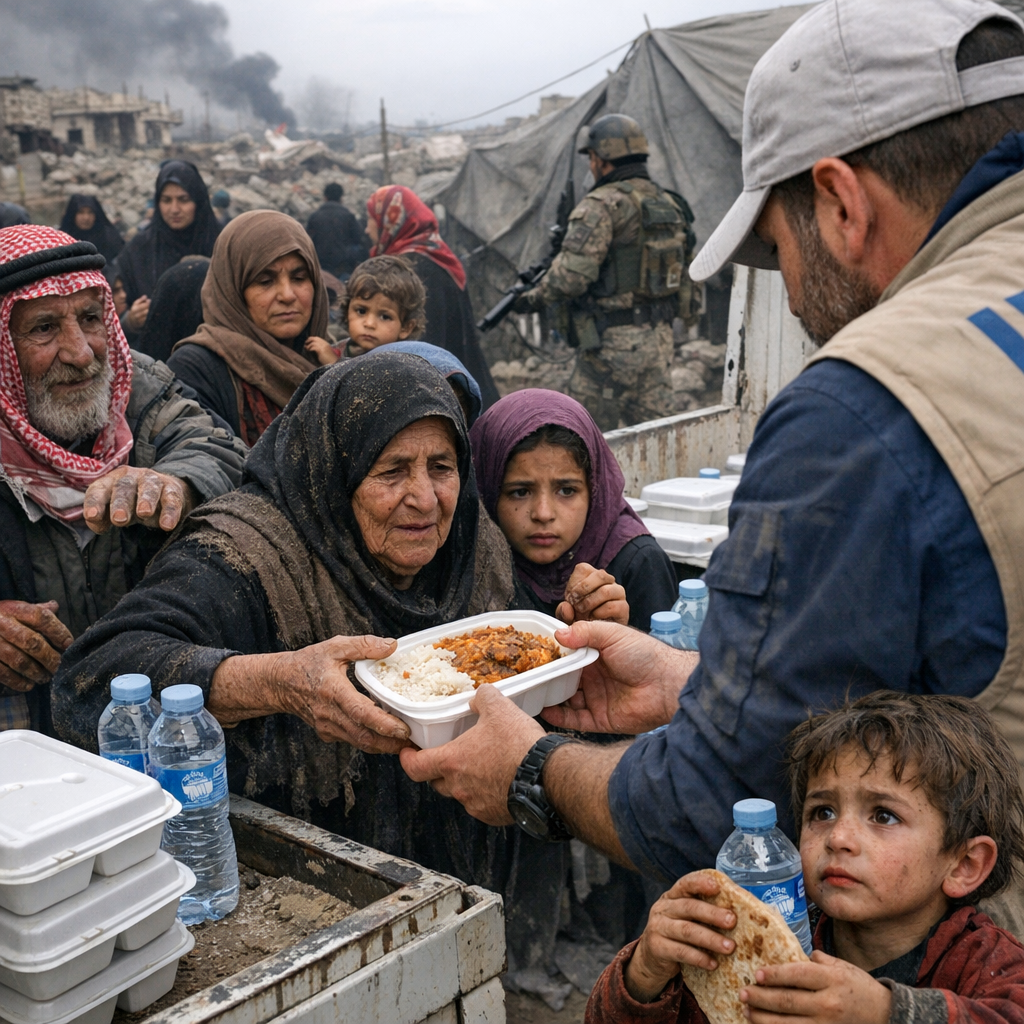
As we approach the midpoint of the decade, multiple overlapping crises are pushing global humanitarian needs to record levels. Conflict remains the leading source of displacement and hunger, with wars in Gaza, Sudan and Ukraine among those driving civilian suffering. Climate change amplifies natural disasters, and fragile regions are disproportionately impacted by droughts, floods, and food insecurity.
The United Nations estimates that more than 230 million people need urgent humanitarian assistance. Of those, conflicts have disrupted access to food, clean water and shelter for millions. In several regions, going without life-saving aid has become a daily reality due to supply chain breakdowns and funding shortfalls.
Food Insecurity Reaches Alarming Scale
More than a quarter of a billion people face acute hunger in 2026. Conflict in the Middle East is a major factor, disrupting food systems both within the region and across global supply chains. Some areas already enduring nutritional crisis are on the brink of famine, as humanitarian aid meets increasingly hostile environments.
Trade, Geopolitics and the Changing Global Economy
The global economy has entered a phase of slower growth, while geopolitical tensions and trade disruptions are reshaping international commerce.
A recent report shows world merchandise trade growth dropping significantly. Critical shipping routes like the Strait of Hormuz have become flashpoints, especially in light of armed conflict that threatens energy flows and international trade.
Meanwhile, developing economies are feeling the strain most acutely. Many import essential goods like food, fuel, and fertilizer, and rising costs and weakened currencies are disrupting daily life. In many cases, small exporters face greater regulatory obstacles as trade rules tighten and diverge across regions.
Climate Commitments Under Scrutiny
The Paris Agreement framework remains central to global climate diplomacy. Most nations have submitted or updated their Nationally Determined Contributions (NDCs), and many have significantly enhanced transparency about their emissions. However, the pace of implementation and the scale of ambition still lag behind what scientists say is necessary to keep warming well below 2°C—or move toward the more ambitious 1.5°C target.
New mechanisms like the Paris Agreement Implementation and Compliance Committee are raising expectations for accountability. But without stronger global cooperation, especially on fossil fuel reduction, adaptation financing, and support for vulnerable countries, progress risks falling short.
Looking Ahead: Paths Toward Stability and Resilience
Despite daunting challenges, there are clear signs of emerging hope. Climate finance commitments, growing grassroots activism, and technological innovations are paving paths forward.
International cooperation mechanisms—trade agreements, climate accords, and humanitarian alliances—remain essential. But they must adapt: embracing flexibility, prioritizing equity, and holding both states and non-state actors accountable.
As citizens in Nashville and beyond, our engagement matters—not because we live near the conflict zones, but because global stability impacts supply chains, climate risks, migration, and economic security everywhere.