

By William Thompson
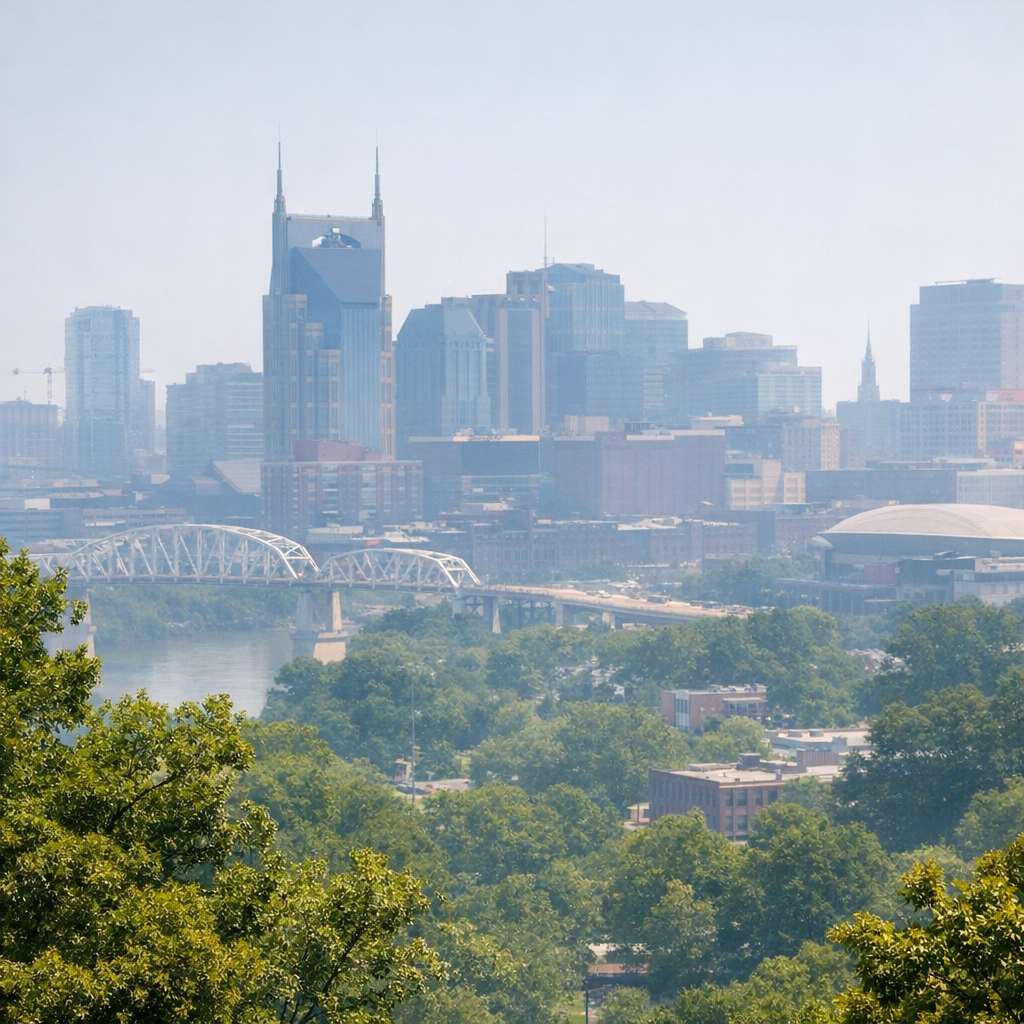
Nashville’s weather and environment are in a state of gentle but steady change. From winters with fewer bitter days, to hotter, more humid summers, our city’s climate is evolving—and that has real effects on daily life, ecosystems, and community wellbeing.
Seasonal Shifts: Winters, Springs, Summers
Over recent decades, Nashville has seen winters grow noticeably milder. Alongside fewer days with freezing or near-freezing daytime highs, we’re seeing less snow and ice that lingers. The number of frost days dropped significantly, which means shorter spans when outdoor plants are at risk. Springs, too, are arriving earlier on average, bringing earlier leaf-out and flower blooms. Summers are not only lasting longer but packing more of a punch: greater humidity, more frequent heat waves, and sticky overnight lows that make relief hard to come by.
Temperature Trends in Context
• Average daytime highs in winter months (December-February) are several degrees hotter now than in past decades. This means fewer bitter cold snaps and more days where heaters, rather than snow removal, are what we reach for.
• Summer highs continue to creep up, but humidity amplifies the discomfort—“feels-like” temps can soar even when the thermometer isn’t breaking records.
Growing Season & Frost Days
The time between the last freeze of spring and the first hard freeze of fall has lengthened, giving gardens, farms, and wild plants more favorable growing time. Meanwhile, frost days—those days cold enough to damage sensitive plants—have dropped sharply. For gardeners and those caring for native foliage, this shift creates both opportunity (new plant varieties thrive) and risk (less cold to control pests or reset seasonal dormancy).
Weather Extremes and Environmental Impacts
Nashville isn’t seeing just gradual shifts. We’re also seeing more extreme weather and environmental stressors—some of which are heightened by changing climate patterns.
Heat Waves and Urban Heat Islands
Heat waves are more frequent, hotter, and more prolonged. An important concern: urban heat islands. The heart of Nashville stays significantly warmer than outlying areas—especially at night—due to concrete, asphalt, and lack of tree cover. This affects vulnerable populations most: those without air conditioning, the elderly, or those working outdoors.
Heavy Rains, Flooding & Water Stress
Our region experiences generous precipitation year-round. Still, weather patterns are shifting toward heavier rainfall events interspersed with dry stretches. When heavy downpours happen, local waterways can flood, storm drains can overflow, and soil erosion becomes a concern. When dry spells linger, soil moisture drops faster than before, stressing lawns, gardens, and even drinking water reservoirs during extreme drought conditions.
What This Means for Our Community
Climate shifts affect more than just what you wear each day. They ripple through infrastructure, health, planning, and environmental quality.
For residents, beware of heat-related risks: staying hydrated, minimizing strenuous outdoor activity during midsummer afternoons, and ensuring cooling options at home. For local growers and landscapers, adjusting planting schedules and selecting resilient native species offers one pathway to adapting.
On the policy and planning side, the city’s heat mitigation efforts—planting trees, expanding green spaces, improving energy efficiency in buildings—are more important than ever. And folks who live in historically underserved neighborhoods may need extra support when extreme heat or flooding hits.
Looking Forward: Staying Informed, Staying Resilient
Weather won’t wait, but neither should preparation. Nashville’s climate trends underscore the importance of staying tuned in to local forecasts, using reliable sources, and preparing homes and landscapes for change. As seasons continue to shift, we’ll all benefit from efforts to protect health, preserve nature, and strengthen community resilience.