

By Michael Williams
Across the U.S., tension between economic strain and political change is growing. Here’s how three major storylines are developing on the national scene—and what Nashvillians should keep an eye on.
1. Health of the Economy vs. Cost Pressure at Home
Americans are increasingly uneasy. Consumer sentiment about the economy has dropped to its lowest level in over a decade, partly due to fears that inflation has far outpaced any wage gains. Although unemployment remains relatively low, job openings are slipping—signs that the tight labor market may be softening. Mortgage rates hovering above 7 percent are adding to the squeeze for households already burdened by high prices for essentials like housing, groceries, and energy. These economic pressures are feeding anxiety just weeks before the midterm elections.
2. Supreme Court Decisions Tilt Power and Rules
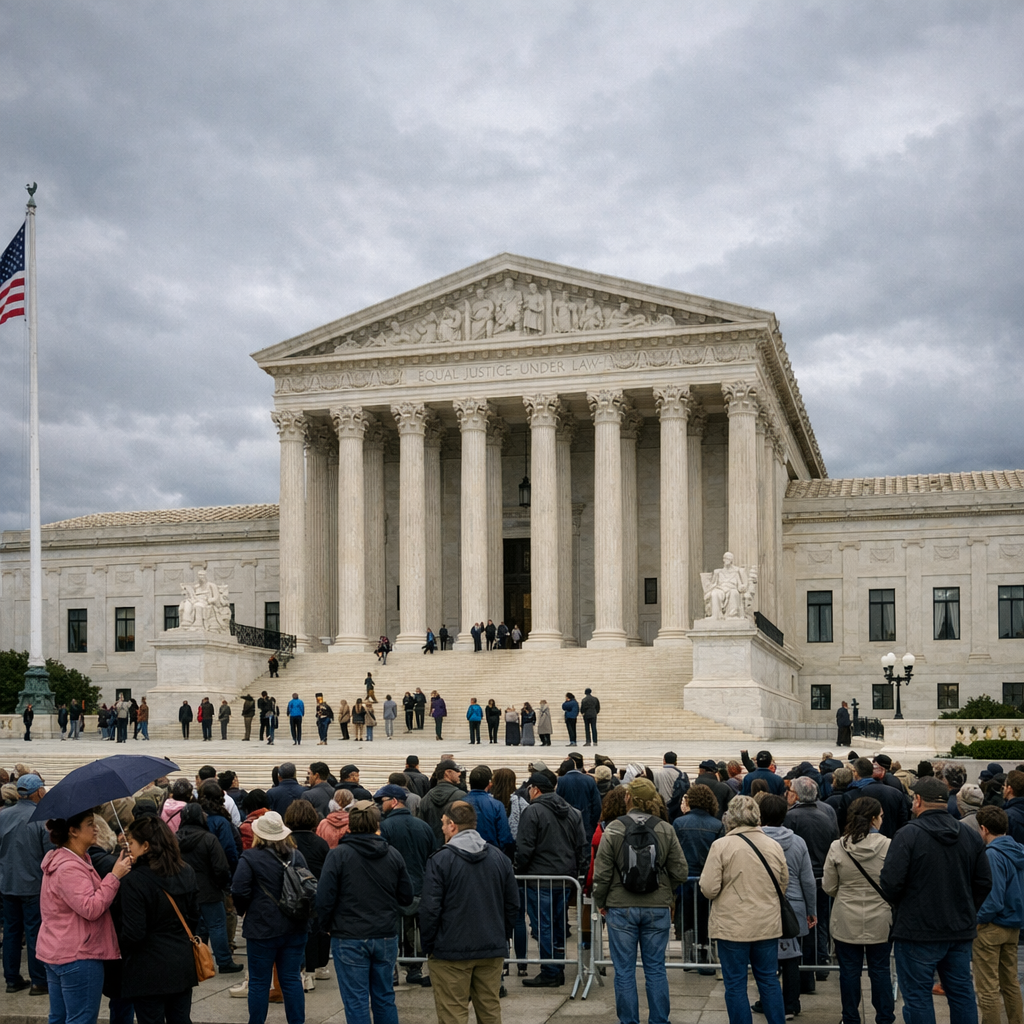
The Supreme Court’s recent rulings are shaping not only policy but also the balance of power between branches of government. In key decisions, the Court has expanded presidential authority over federal agencies, ruling that several independent boards may now be more directly controlled by the White House. At the same time, the Court struck down attempts to limit birthright citizenship and block certain tariffs—indicating they are still willing to check executive overreach in some cases.
3. Election Laws and Voter Rights Under the Spotlight
As November approaches, changes in election law are stirring debate. The Court has allowed relaxed limits on how much parties can spend in coordination with their own candidates, ruling in favor of broader party influence. Court rulings also continue to limit minority representation and reduce oversight of redistricting on racial grounds, reshaping what many see as fundamental protections of voting rights. Meanwhile, federal authorities are pushing to enforce stricter voter registration and verification tools—sparking concerns about access and fairness.
What It All Means
For Nashvillians and others across Tennessee and the U.S., these issues aren’t abstract. Polling suggests voters are increasingly judging leaders and parties on how they manage inflation, health care costs, housing prices, and economic inequality. Supreme Court decisions—especially those tied to elections and presidential power—will influence whose voice carries weight. With midterms looming, these debates over power, fairness, and affordability are turning up loud at dinner tables and campaign events alike.