

By Michael Williams
Economic Outlook: A Divided View
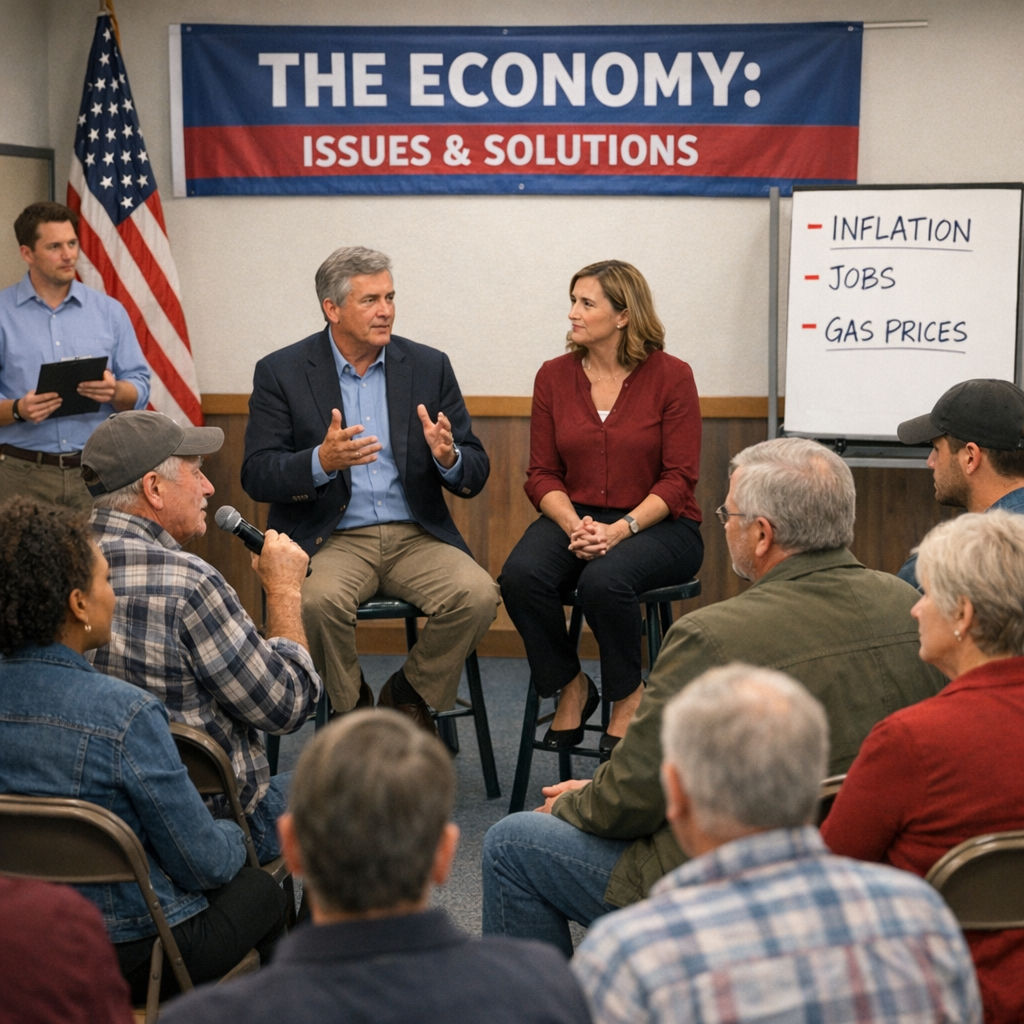
With the 2026 midterms drawing near, Americans are increasingly concerned about the nation’s economic direction. While high inflation, rising energy costs, and steep prices for housing, food, and healthcare dominate conversations, polling data reveals sharp splits along party lines in how people evaluate current conditions. Most Americans report feeling worse off or anxious about what’s to come.
What’s Driving Voter Sentiment
Cost of living remains the top issue for many voters. Inflation has eased somewhat but persists in key areas like grocery bills, home prices, and utility costs. Meanwhile, economic growth has slowed to modest rates, while energy markets have seen volatility tied to global conflicts and trade disruptions. Experts suggest many of the economic pressures felt today are rooted in past policy decisions and external shocks, which are challenging to reverse quickly.
The Political Impact
Voters’ views on which party performs better on economic policy are nearly evenly split, signaling no clear advantage going into the elections. Yet, disapproval of the administration’s handling of the economy is widespread, even among some supporters, particularly when it comes to inflation and fuel prices. For incumbents, this poses a looming risk; for challengers, it’s an opportunity.
What to Watch
- How lawmakers address rising costs: Are there new proposals for tax relief, subsidies, or regulatory changes?
- Energy policy and costs: Will changes in foreign policy or energy production ease gas prices?
- Economic growth indicators: Look for data on jobs, consumer sentiment, and wage growth over the next months as predictors of political momentum.
Takeaway
Economic conditions are front and center in national politics. Even if improvements are underway, many Americans have not yet felt relief. With the elections approaching, economic perception may be as decisive as the actual data.