

By William Thompson
Signs of shifting seasons
Nashville is experiencing real, measurable changes across our yearly weather patterns. Winters are milder, spring is arriving earlier, and frost days — once common in winter — are becoming fewer and farther between. These shifts are reshaping the growing season and extending the time pollen-producing plants are active.
Longer growing seasons & allergy impacts
Over the past several decades, the freeze-free period in Middle Tennessee has expanded significantly. That extension gives gardens, farms, and lawns more time to flourish — but it also means allergy season is stretching, bringing earlier tree pollen and later ragweed seasons than many residents remember.
Rain and storms: intensity, not just frequency
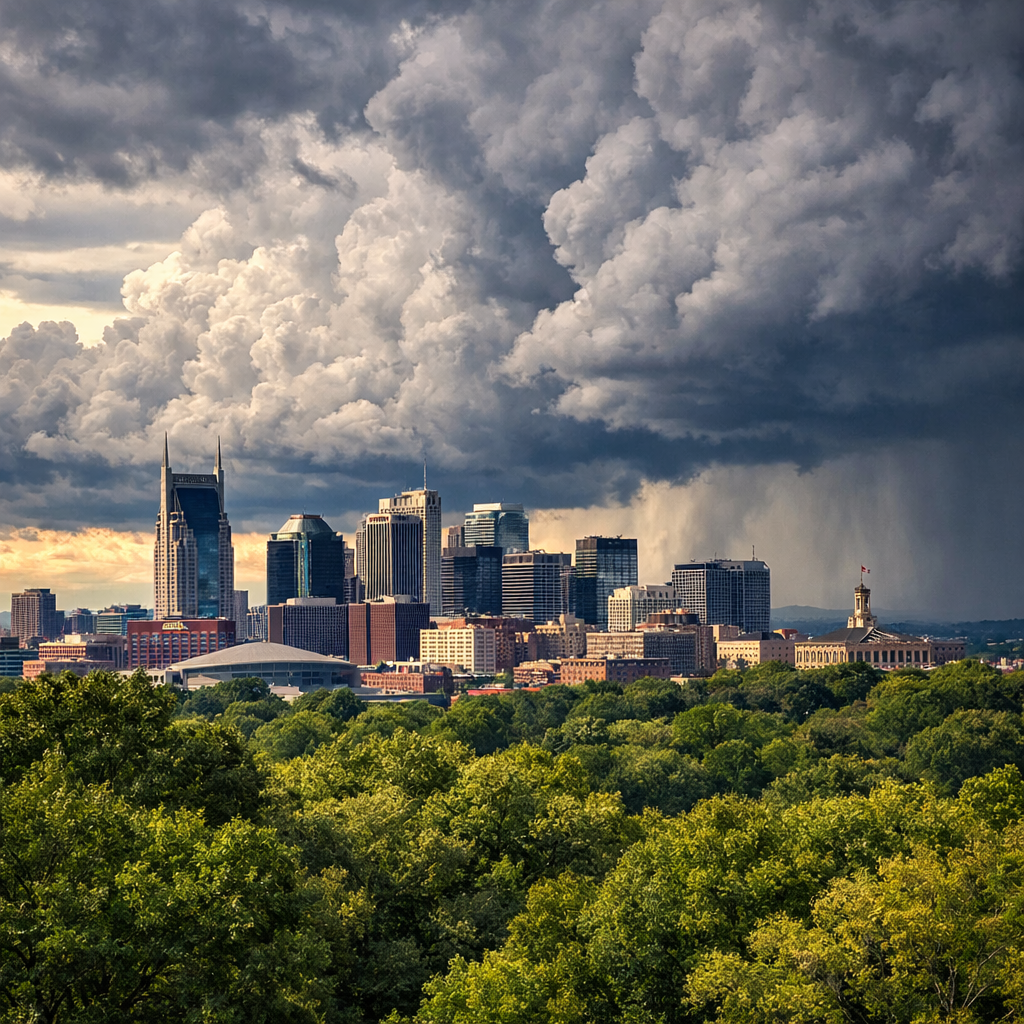
Annual precipitation in Nashville has crept upward, but what stands out more are heavier downpours and more intense thunderstorms. Rainfall is arriving in stronger bursts, increasing risk of flash flooding and testing our stormwater systems, especially where green cover or natural drainage is limited.
Urban heat and tree canopy help
With our city growing, built surfaces like roads and buildings are amplifying summer heat. That urban heat island effect means temperatures stay elevated, especially on hot summer nights. Trees and green spaces offer relief — they cool the air, help stormwater absorption, improve air quality, and mitigate heat. In Nashville, over half the city still hosts canopy cover, but there is also opportunity to expand it in areas now under tree-poor surfaces.
What residents should know — and can do
Here are practical considerations:
- Keep allergies in mind: longer seasons may mean more intense or longer-lasting symptoms.
- Landscaping and planting: choose species suited for warmer winters and longer growing seasons.
- Storm readiness: when heavy rainfall patterns hit, check your home drainage system and stay aware of flash flood warnings.
- Support canopy growth and green infrastructure to reduce heat stress and protect our waterways.
These aren’t distant, theoretical shifts — they’re changing the rhythm of life here in Nashville. As seasons and weather evolve, understanding what’s different helps us adapt, protect our well-being, and care for our environment.