

By Mia Wilson
Current Market at a Glance
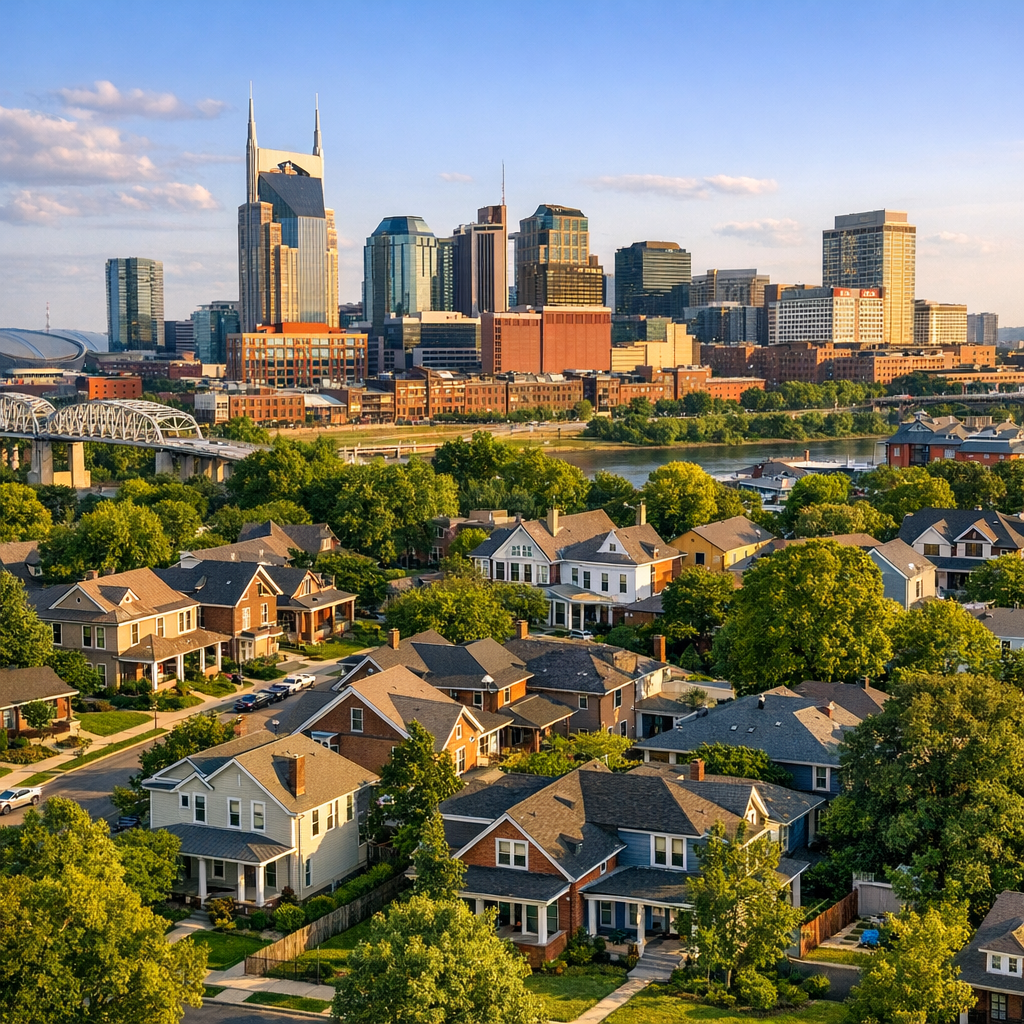
Home prices in Nashville have edged up—single-family houses in the metro area are now priced around $537,000, a modest rise year-over-year. Condominiums have also crept up, with the median around $350,000. While demand remains strong, pace is slowing: inventory has grown compared to last year, and homes are staying on the market a bit longer. These shifts are helping balance a market that was once heavily tilted toward sellers.
Renters are seeing more stability. Average asking rents hover near $1,830 and are fairly flat year-over-year. Better supply and softer demand in some neighborhoods are giving renters more room to find something that meets their needs.
What That Means for Buyers & Renters
For Buyers
- Tighten your budget targeting. With median home prices pushing above half a million in many areas, buyers may need to prioritize must-haves—or explore more affordable neighborhoods further from the core.
- Leverage the shifting dynamics. More inventory means more choice. Sellers are reducing prices occasionally, and negotiations (including concessions or closing-cost help) are more possible now.
- Watch interest rates closely. Even small shifts in mortgage rates can dramatically affect monthly payments. Locking in a rate when favorable could reduce long-term costs.
For Renters
- Focus on neighborhoods with newer supply. Mixed-use or newly developed apartment buildings often include modern amenities and options for rent negotiation, particularly when the market cools slightly.
- Keep tabs on what’s being built. Knowing where affordable or workforce housing is going up can provide opportunities to move into emerging areas before they fully gentrify.
New & Noteworthy Developments
Nashville is expanding with attention to inclusive housing and long-term planning. One standout is Eastpoint Flats on the East Bank—a fully affordable housing project featuring 323 units, childcare, and retail, protected with a 99-year lease to lock in affordability.
Urban Campus and Core’s Northview project is another example: a mixed-income community for seniors in East Nashville, with units set aside specifically for households earning 40–80% of area median income.
The city’s Downtown and Development Map shows a steady flow of residential, mixed-use, and affordable housing projects in the pipeline, indicating that while growth continues, there’s effort toward balancing scale and equity.
How to Navigate All This
Nashville’s real estate market today is less frantic but still demanding. For first-time buyers, that means getting your financials in order early—credit score, down payment, mortgage pre-approval. Renters benefit from being clear about what you need (budget, amenities, commute) and what you’re willing to compromise on.
For both buyers and renters: location continues to matter—not just for price, but for access to schools, public transport, and services. Emerging neighborhoods that offer good value today may become great long-term options as affordable developments and infrastructure investments catch up.
If you’re watching the Nashville market, be strategic. Know the trends. Know where affordable supply is growing. Be prepared to negotiate. And remember: opportunities exist, even in a rising-price environment.