

By Emily Johnson
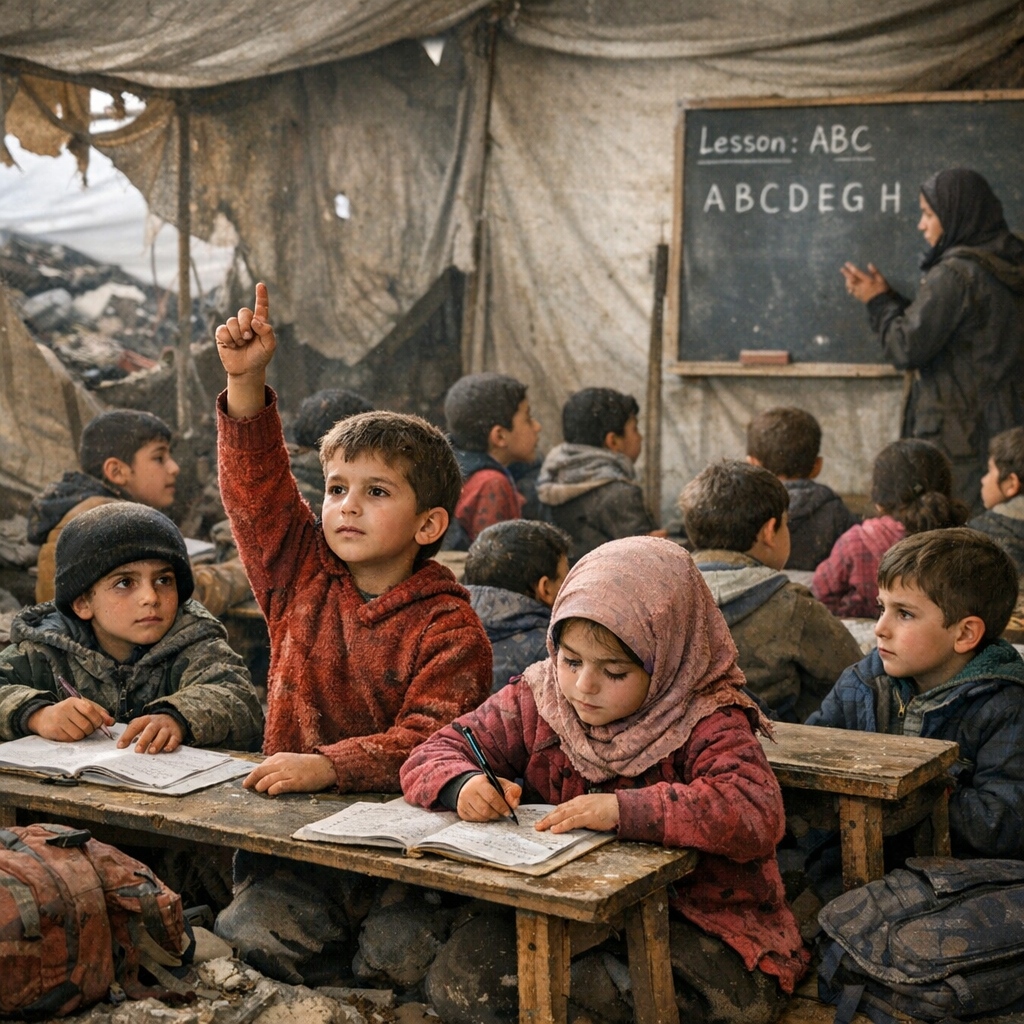
The global education crisis is worsening: the latest UNESCO report finds that over 273 million school-aged children are currently out of school. The number has climbed for seven years in a row, driven by growing populations, conflict, climate disasters, displacement, and shrinking public budgets. While some nations make progress, many are barely keeping pace—or falling behind.
Why education is slipping
Crises are taking a toll. In countries facing war or political instability, schools are often destroyed, occupied or abandoned. In Gaza alone, the scale of school damage has been catastrophic. At least 83 countries have reported attacks on schools or threats to safety for students and teachers. These violations make learning unsafe or impossible.
Meanwhile, public funding for education has been under strain. Despite commitments under global goals, many countries spend less than the benchmark 4% of GDP or 15% of public expenditure on education—and not always in ways that protect disadvantaged students. As finance falls or stagnates, recovery from crises becomes ever harder.
The unequal burden
The hardest hit are children in conflict zones, those forcibly displaced, those with disabilities, and girls in regions with gender gaps. In the world’s most severely crisis-affected 20 countries, nearly 80% of out-of-school children live. Even among those enrolled in school, many face learning gaps that grow with every missed year due to instability and under-resourced systems.
Early years education suffers in special ways: delays or lack of access in early childhood amplify inequalities and leave lasting academic, social and economic scars. When children start poor, they often fall further behind.
What experts say must change
- Commit to long-term funding—even during crises—so aid isn’t the first thing cut when budgets tighten. The drop in aid has already risked millions of young lives.
- Protect schools in conflict as non-combat zones: enforcing international norms means ensuring schools remain safe for learning.
- Focus on quality, not just access: trained teachers, safe facilities, and curricula that address prevention, climate awareness, and inclusion make a difference.
- Support systems that reach the hardest to reach: displaced children, those in danger zones, girls, those with disabilities should be priorities.
Why this matters to us
As a community, knowing what’s happening globally helps inform our understanding of justice, opportunity and compassion. Nashville is enriched by its diverse communities, including immigrants and refugees. We are better equipped to support inclusive education locally when we also see the broader picture—because education inequity anywhere echoes in communities everywhere.
The global education crisis is not inevitable—but reversing it will take bold choices: political will, sustained investment, respect for the rights of children. It’s one of the most urgent tests of our shared values.