

By Emily Johnson
Strengthening Vaccine Equity Through Global Health Commitments
Global leaders recently reasserted support for the Immunization Agenda 2030, recognizing immunization as central to health equity and pandemic preparedness. Member states called for stronger domestic vaccine programmes, reduced dependency on overseas supply chains, and focused efforts to reach children who have not received a single vaccine. These targets respond to persistent gaps, including declining routine immunization coverage and rising outbreaks of vaccine-preventable diseases. WHO emphasized that without sustained investment and trust in science, the world is at risk of reversing progress. (WHO reaffirmed this commitment during the World Health Assembly.)
Big Catch-Up Initiative and Persistent Coverage Gaps
The “Big Catch-Up” global campaign has delivered over 100 million vaccine doses to nearly 18.3 million children aged 1–5 across dozens of countries, including many who had not been vaccinated before. A significant portion were zero-dose children who had previously lacked access to even routine immunizations. Though successful, agencies warn that many infants continue to miss scheduled vaccines each year—highlighting the need for robust, sustainable immunization systems. (Implementation of the Big Catch-Up concluded in March.)
Climate Summit 2026: Cooperation Under Growing Pressure
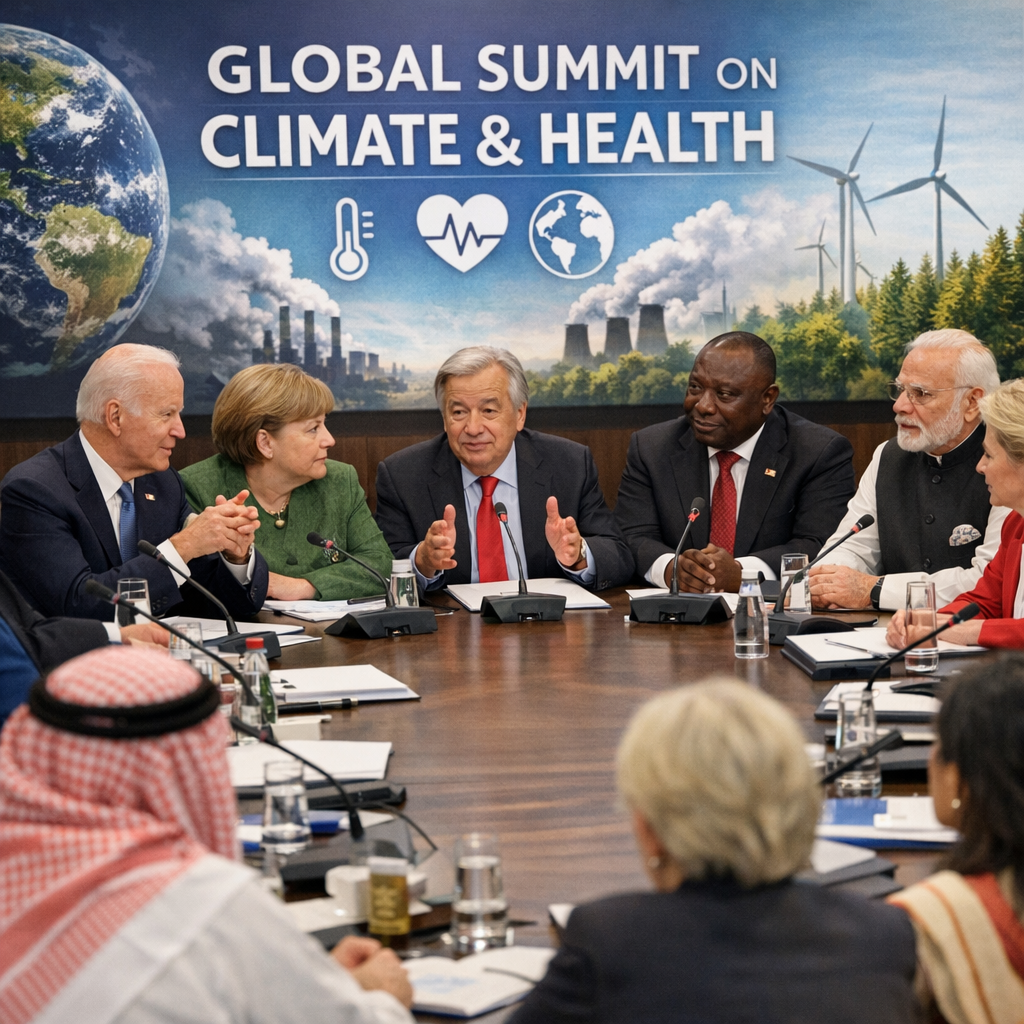
At the recent Climate Summit convened by the United Nations’ Secretary-General, nations emphasized accelerating climate action, scaling clean energy, improving early warning systems and increasing climate finance. Discussions underscored that economic uncertainty and geopolitical tension will make cooperation more difficult, yet more essential. Leaders also stressed that communities most vulnerable to climate extremes need strengthening of infrastructure and health systems as climate impact worsens globally.
The Hidden Costs of Supply Chain Resilience
Trade experts warn that disruptions during the pandemic revealed overdependence on single regions or suppliers. Companies are increasingly speaking of reshoring, diversification, and resilience—but these choices bring increased costs. The economic ripple effects are felt in higher consumer prices and delays in manufacturing inputs. Ensuring supply chain flexibility without inflating costs has become a central challenge for global firms and governments alike.
Looking Ahead: What To Watch
- Implementation of the Pandemic Agreement and how it handles access to vaccines, diagnostics, and medical innovations in emergencies.
- Progress towards universal health coverage, particularly as it relates to climate-resilient health infrastructure in vulnerable regions.
- Whether supply chain reforms pursued now will deliver both resilience and affordability for global health and trade.
These developments represent both high stakes and real potential: the world’s success will depend on concerted, equitable action in health, climate, and commerce—all linked in their impacts on human security and daily life.