

By Emily Johnson
Global health gains threatened amid widening inequalities
Recent reports from the World Health Organization reveal that while the world has made strides in health—such as substantial reductions in HIV and tuberculosis in certain regions—progress has stalled or reversed in critical areas. Challenges like rising malaria rates, persistent childhood undernutrition, and weakened health systems threaten to unravel gains if not addressed. These issues have ripple effects everywhere, including here in Nashville, where public health planning depends on lessons from global health trends and resilient systems abroad.
During the World Health Assembly, member nations approved a new global strategy for emergency, critical, and operative (ECO) care stretching into the next decade. The goal is to upgrade how countries prevent and respond to outbreaks, natural disasters, and other crises. This strategy will push for more reliable access to diagnostics and treatment—a measure with clear parallels in local health infrastructure preparedness for emergencies. Also approved were resolutions boosting access to diagnostic imaging globally, including via teleradiology, and emphasizing precision medicine.
Climate cooperation accelerates, but tensions surface
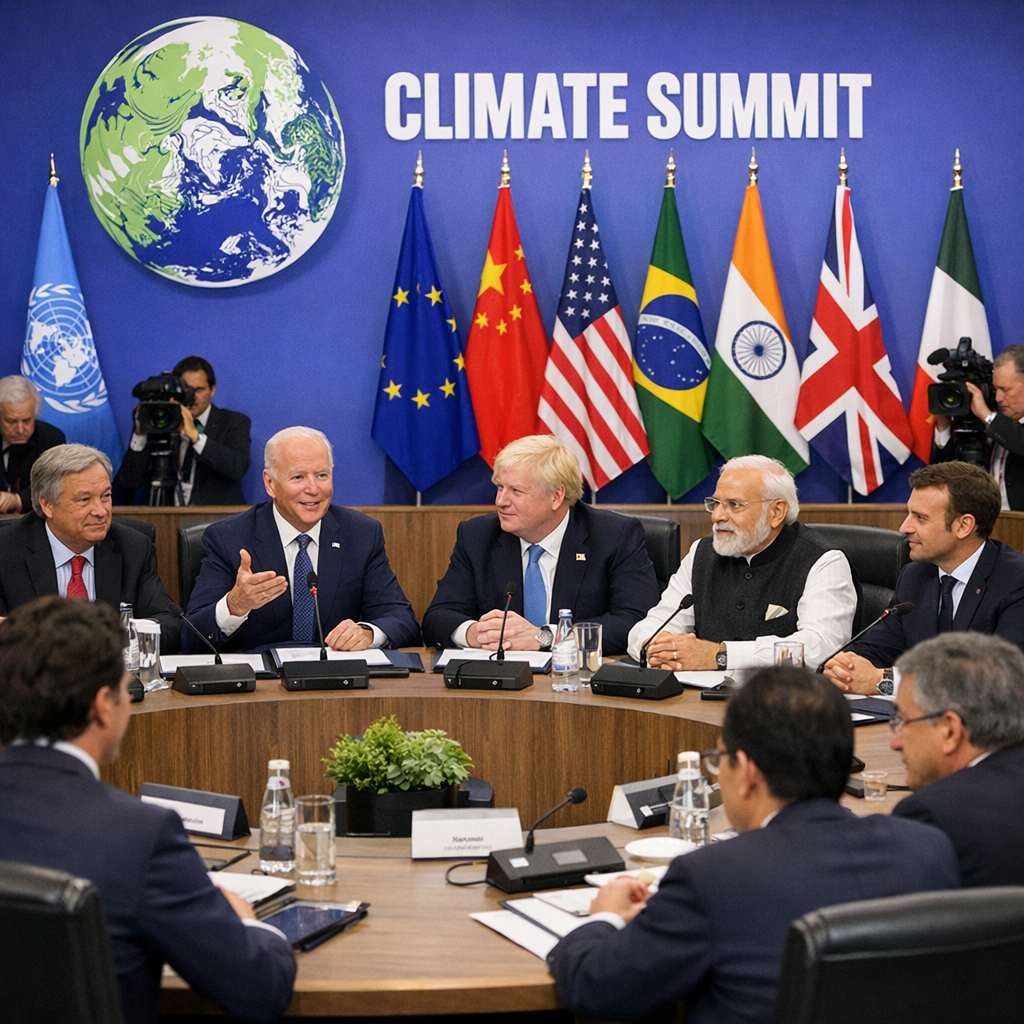
The international climate agenda has seen renewed momentum. Following COP30, countries pledged 56 consensus decisions reaffirming their commitment to shoring up efforts around mitigation, adaptation, and energy transitions. Taller goals have been set: by 2035, final energy demand met by electricity should increase substantially, growth in global waste should be halved, and energy consumption intensity in buildings reduced significantly.
Still, challenges remain. Middle- and low-income nations increasingly argue they’re being asked to balance climate action with economic development—highlighting inequities in climate finance and capacity to adapt. Climate cooperation efforts continue to wrestle with ensuring fairness, especially when climate events and their costs are disproportionately felt among countries with fewer resources. For communities in Nashville, this raises questions about how global shifts in policy, technology, and funding can influence local environmental and energy planning.
Why this matters for Nashville
1. Supply chains and health security: As nations upgrade diagnostics and emergency care, medical innovation, pharmaceutical supply, and disease surveillance reach across borders. Nashville-based health institutions can be affected by global disruptions or benefit from global breakthroughs.
2. Climate justice and community resilience: Global targets push for cleaner energy, stronger infrastructure, and fair distribution of climate burdens. Locally, that translates to policy debates about energy efficiency, urban planning, and how to support vulnerable populations during climate emergencies.
3. Local leadership connects globally: Many countries are committing to more ambitious climate goals and health reforms. Nashville’s universities, NGOs, and public health agencies can contribute by collaborating, innovating, and sharing what works—and what doesn’t—to help shape global solutions.
Contacting your representatives with an informed voice
Get engaged by staying informed: follow updates from WHO, UN climate summits, and observe how national policies translate globally. Write to state or federal representatives asking them to support increased climate finance, health system strengthening, and international cooperation. Global health and environmental progress depend increasingly on shared responsibility—every voice counts.