

By Emily Johnson
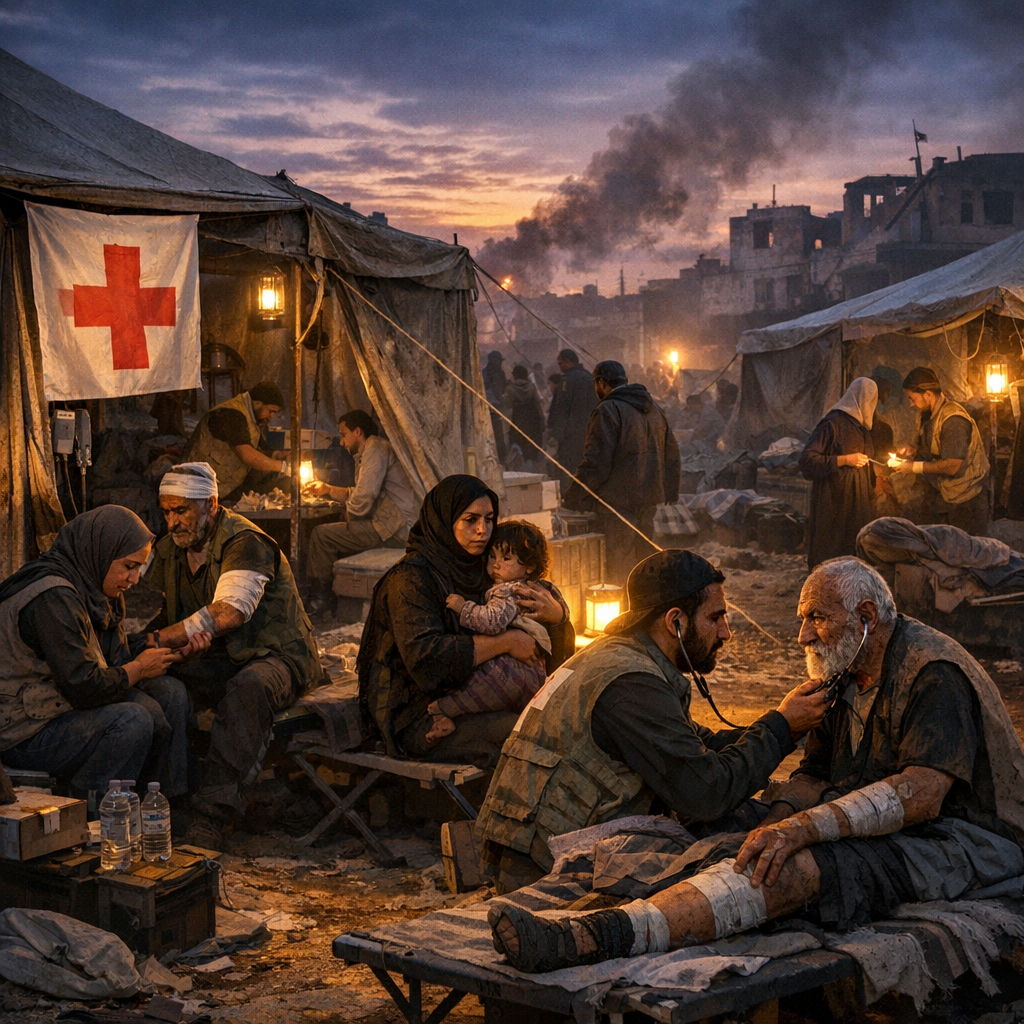
From Nashville, the headlines from around the world make one thing clear: global crises—driven by conflict, climate change, health system collapse, and displacement—are mounting, even as international aid mechanisms are stretched thin. Here’s a breakdown of what’s happening, why it matters, and what the world should be doing differently.
Humanitarian Needs Are Getting Worse—and Bigger
A staggering 239 million people were estimated to need humanitarian assistance by the end of 2025. That number includes individuals caught in conflict zones, climate disasters, or both. Southern and Eastern Africa alone account for the largest share of people in urgent need globally. Meanwhile, conflict has become the leading cause of death, displacement and hunger.
Countries from Sudan to Gaza, South Sudan to Myanmar are facing combined pressures: violence that disrupts daily life, climate shocks that wipe out crops and infrastructure, and lockdowns of aid due to insecurity or funding cuts. What was once episodic has become persistent.
Critical Moments in Key Crisis Zones
Sudan
With war continuing for more than three years, Sudan is now home to the world’s largest displaced population. Health clinics are closing, people lack basic food and services, and nearly half the population urgently needs assistance.
Gaza and the West Bank
The humanitarian situation in Gaza has become catastrophic. Displacement, destruction of essential infrastructure, including water and power systems, disease outbreaks, and restricted access to humanitarian aid have pushed vulnerable populations into dire straits.
Other Hotspots: Myanmar, Yemen, and the Sahel
In Myanmar, political violence, natural disasters, and displacement collide. In Yemen, years of war have devastated society’s foundations. And in the Sahel region—including Niger, Burkina Faso, and Mali—a mix of conflict, climate crisis, and fragile governance have left millions without enough food or safety.
What’s Going Wrong?
Several systems meant to help are under strain. Funding for humanitarian aid is decreasing even as need increases. Shipments cannot get through war zones, legal protections for civilians and aid workers are often ignored, and many traditional donors are stepping back.
Health systems are especially vulnerable. Conflict and displacement often mean limited medical supplies, broken infrastructure, and outbreaks with few defenses. Public health is no longer a secondary concern—it’s central to survival in many of these zones.
What Can Be Done?
The path forward needs urgency. First, global donors must reverse recent aid cuts and ensure funding matches escalating need. Second, humanitarian law and protections for civilians and aid workers must be reinforced and respected—independent of which governments or groups are involved. Third, local organizations and communities must be empowered: they are often first responders and must be given the support and authority to act.
In the long term, fighting back against climate change, investing in sustainable infrastructure, and building peace wherever conflict takes root are essential if we hope to break cycles of disaster and suffering.
Why This Matters to Us in Nashville
Though these crises may seem continents away, they affect all of us. Global instability drives migration, political debates over refugee policy, and economic consequences like inflation or food shortages. Here in Nashville, where many of us have family ties around the world or work in international sectors, awareness and action matter. We can support reputable aid groups, stay informed, and advocate for foreign policy that reflects empathy and long-term thinking.
Human suffering knows no borders. The crises we see unfolding now are also a test of our shared humanity—if we choose to respond, we can make a difference.