

Here in Nashville, technology isn’t just part of the city’s music and culture—it’s quietly changing the way we shop, work, learn, and connect. Between new startups, community programs, and smarter devices, we’re seeing shifts that affect small routines, often without much fanfare.
Startups driving local innovation
Nashville isn’t just for songwriters anymore. Machine learning–driven companies like Camgian, Lucd, Universal Logic, Blattner Technologies, and Prediction Health are translating data into tools across industries, from healthcare to supply chain. These firms are leveraging artificial intelligence or edge computing to power decisions, automate processes, and deliver insights more efficiently. They don’t always make headlines, but their work shows how deeply AI is embedding itself in sectors beyond traditional tech.
Programs helping everyday folks access technology
It’s not just businesses getting ahead. Metro Nashville’s TechTies program offers a digital lifeline—free internet access, devices to keep, and classes to build skills. Volunteers and digital navigators even travel into neighborhoods to help with the basics: using devices, applying for jobs, or paying bills. This kind of work makes tech less intimidating and more useful, especially for older residents or folks getting started with computers.
Smart gadgets at home: convenience meets concern
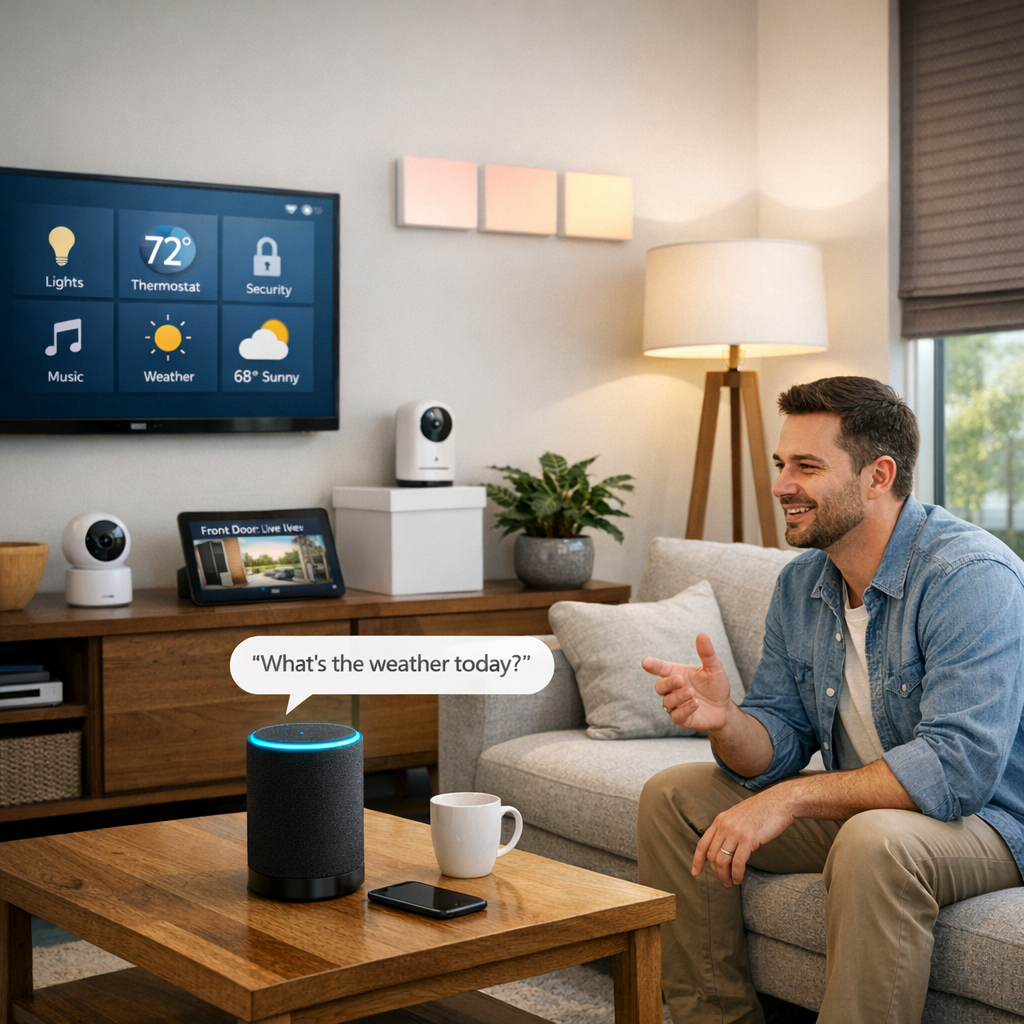
From thermostats you can control by voice to wearables that monitor your sleep and fitness, home gadgets are doing more work for us. According to US consumer surveys, most people now use AI tools regularly—to simplify work tasks, for travel planning, or even health reminders. As these devices become more capable, questions about privacy—how much data is gathered, who owns it—rise alongside convenience.
What Nashvillians should watch out for
Balancing the benefits of technology means paying attention. Here are a few trade-offs happening in our community:
- Costs over lifetime: Cheap gadgets may break, stop receiving updates, or require proprietary accessories, pushing replacement sooner than expected.
- Digital equity: Not all neighborhoods have the same access to reliable internet or repair services. Programs like TechTies help, but gaps remain.
- Ethical use of AI: As local startups build tools that sort, predict, or automate, they’ll need to ensure transparency—especially in fields like healthcare or finance.
Where this is headed
Looking forward, we can expect tools that anticipate need—smart home systems that adapt to routines, AI assistants that learn preferences, and gadgets that work together seamlessly. Nashville’s proximity to universities and its growing startup culture position it well to adopt networked solutions, especially around city infrastructure and sustainability.
Even as tech rises, the real change comes from how ordinary people use it: becoming more comfortable with software, taking advantage of training, asking questions about tools, and choosing what supports daily life—not just what’s new.