

By Ava Garcia
NASHVILLE — Walk into a home in East Nashville, Bellevue, or the Gulch these days, and you might notice more than a sleek new speaker or one more subscription app. Increasingly, residents are inviting artificial intelligence into their daily lives in subtle but significant ways—through tools that streamline chores, improve work routines, and bridge communication gaps between industry and local communities.
The Rise of Everyday AI
Recent studies show that ~50% of U.S. adults now use AI chatbots like ChatGPT, Gemini, or Copilot—up sharply from earlier years. Many are turning to these tools for everyday tasks: writing, idea exploration, even managing household groceries. Smart devices—speakers, thermostats, robot vacuums—are becoming part of daily flow, automating chores and lightening cognitive load. These aren’t luxury gadgets anymore; they’re steadily shortening many people’s daily to-do lists.
Nashville’s Tech Pulse
Locally, Nashville benefits from a growing startup ecosystem and strong institutional support. The city is recognized for its innovative culture, anchored by universities, accelerating tech job growth, and home to major players in tech services and creative industries. The Nashville Chamber identifies Google for Startups among accelerators helping local innovation scale. Tech occupations here have surged by nearly 30% in recent years—well above national averages.
How Locals Are Adopting AI
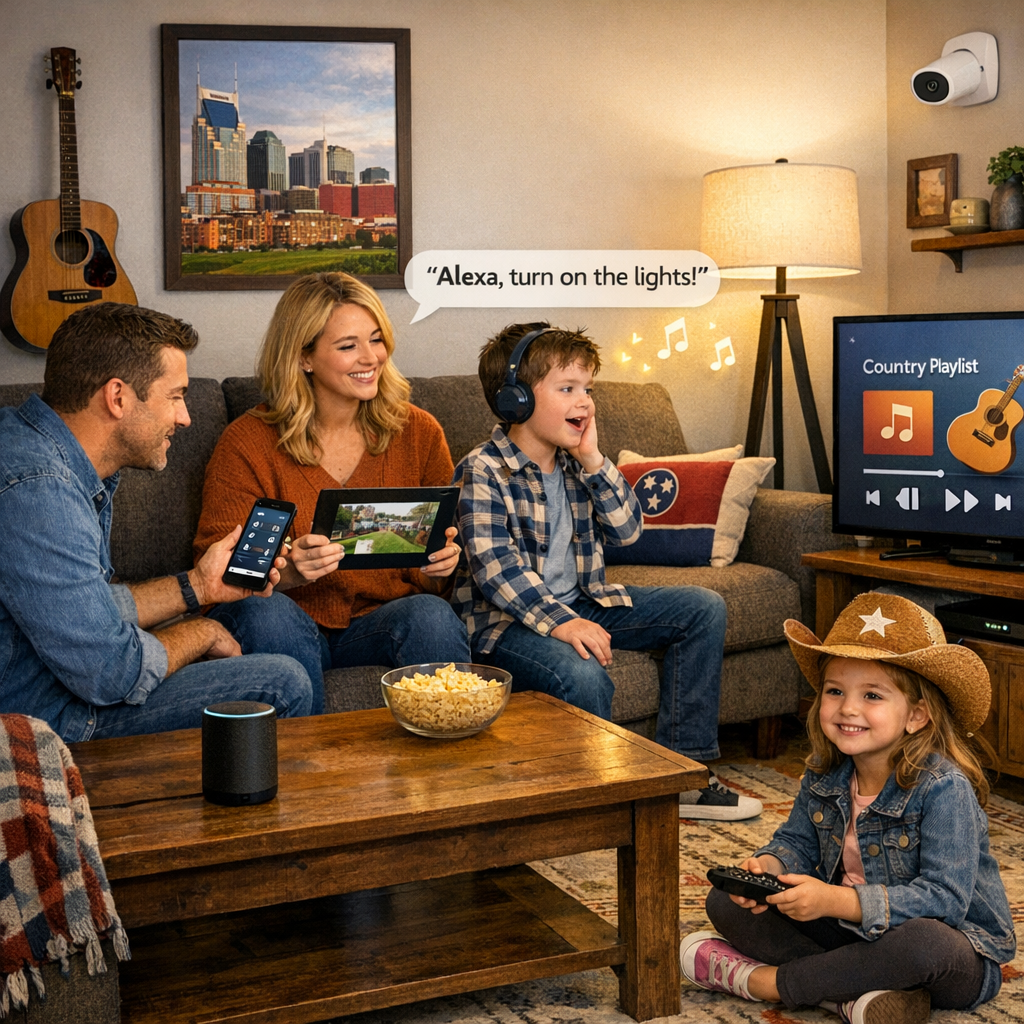
In homes across the city, people report using AI for work-related drafting, managing schedules, or simply finding recipes based on what’s already in the fridge. Others rely on smart-home tools that learn household patterns—adjusting lights, controlling temperature, automating chores—so less mental effort is needed for daily operations.
Balancing Benefits and Risks
The time savings are real: in nationwide surveys, many workers said AI cut one to two hours off weekly work time. Seniors, parents, and caregivers often see greater gains from assistive tools. But adoption is uneven—higher in younger, higher-income households—raising questions about equity.
Meanwhile, giving AI more access means growing concerns about privacy, data usage, and dependency. What happens when these tools misunderstand a request, mishandle personal data, or take over tasks one might prefer to manage personally?
Making Smart Choices—Tips for Nashvillians
- Start small: choose one smart device or assistant and see how it shifts your routine.
- Prioritize privacy: check device permissions, data storage policies, and whether audio or visual recordings are saved.
- Include everyone: older family members or tech newcomers might need extra guidance and reassurance.
- Advocate locally: support city policies around data protection and energy-efficient AI deployment in the public interest.
The Bottom Line
AI and smart tech are becoming invisible helpers woven into the fabric of daily life in Nashville. They save time, smooth out routines, and open opportunities. But as these tools settle into kitchens, bedrooms, offices, and beyond, their worth will hinge on how thoughtfully we use them and how carefully we protect what matters most—autonomy, community, and trust.