

By Ava Garcia
Nashville may be known for its music, but like many U.S. cities, we’re witnessing artificial intelligence (AI) become an unseen companion in so much of daily life. From how we work to how we relax, today’s tools are altering routines in ways most people don’t always notice—and have yet to fully understand.
Everyday AI: What Most People Actually Use
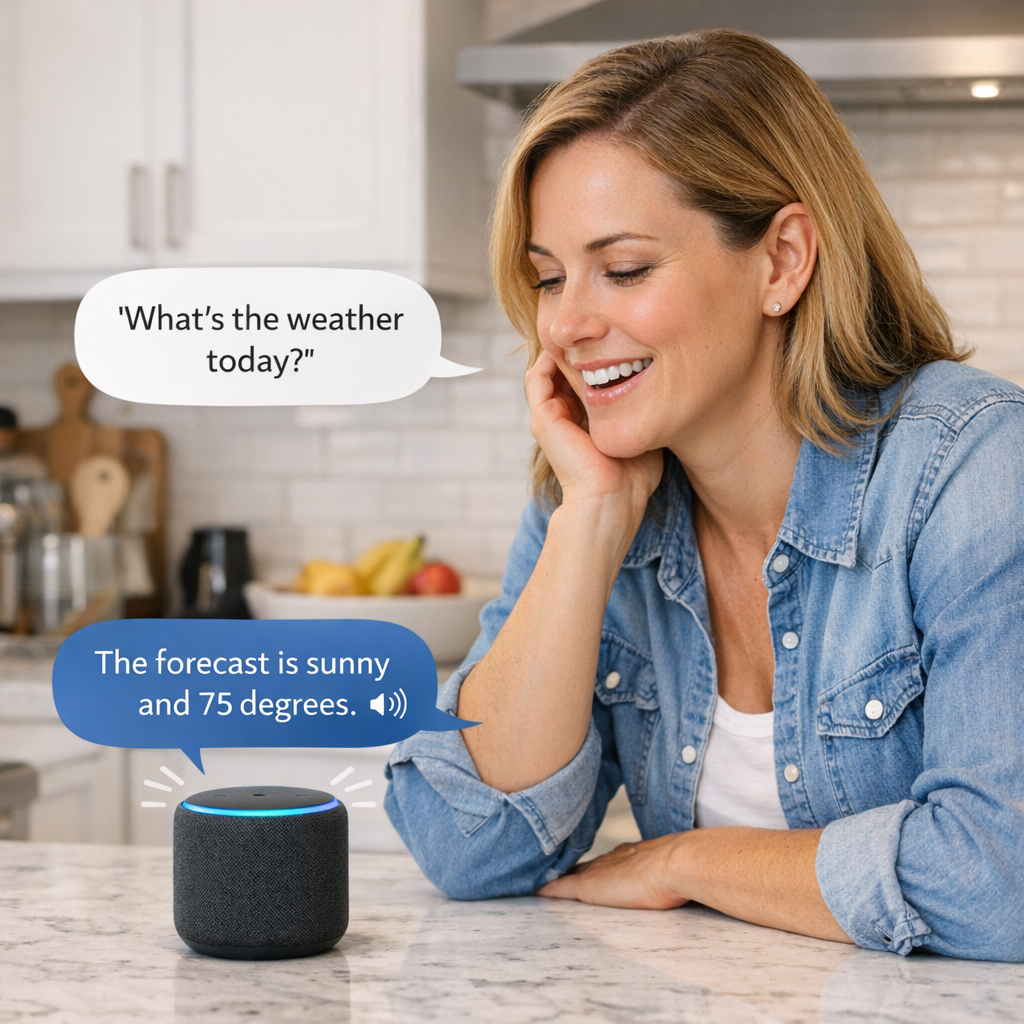
AI isn’t just for tech teams and startups—it’s already in many homes. Smart speakers, streaming services with recommendation engines, weather apps, navigation apps, and social media platforms are all powered by AI under the hood. A survey shows that virtually everyone uses at least one AI-enabled product weekly, often without realizing it. In fact, people who think they haven’t used AI often report using several tools that are AI-powered. This underscores how deeply embedded AI has become in everyday tasks.
From Search to Assistants: Tools We Turn to Most
Roughly half of U.S. adults say they use AI services multiple times weekly. These tools are often used for information search, drafting emails or messages, brainstorming ideas, completing school or work tasks, and managing schedules or finances. Throw in AI-powered summaries inside search results or assistance in productivity suites, and you’ve got AI acting like a silent productivity partner.
At Work: Partner, Not Replacement
In workplaces—Nashville’s nonprofits, studios, tech startups, universities—many use generative AI for writing, draft editing, presentation preparation, or organizing data. The goal isn’t usually automation of entire jobs but removing repetitive tasks, freeing folks to spend more time on creative, human-centered work. People report improved efficiency, though not always without trade-offs.
Privacy, Trust, and Boundaries
With rising use comes rising concern. Many Americans feel uneasy about how much control they have over AI in their lives. Trust is often limited—people tend to trust AI more when it helps (summaries, reminders, planning)—and distrust its use in decisions with real consequences (health, hiring, safety). Concerns center around privacy, misinformation, and losing human judgment in important moments.
Looking Forward: What Matters for Nashville’s Tech Scene
For tech entrepreneurs and gadget makers in Nashville, the implications are clear:
- Create tools that are transparent: clear about what AI is doing and why.
- Focus on useful augmentation: make AI help rather than replace.
- Design for trust: privacy controls, explainable suggestions, human oversight.
For residents, the best approach is staying curious and empowered—experiment with new tools, but also ask what data they’re collecting and how decisions are being made. AI is already part of our daily soundtrack—just like the music—but its volume, responsibility, and source are things we should pay close attention to.