

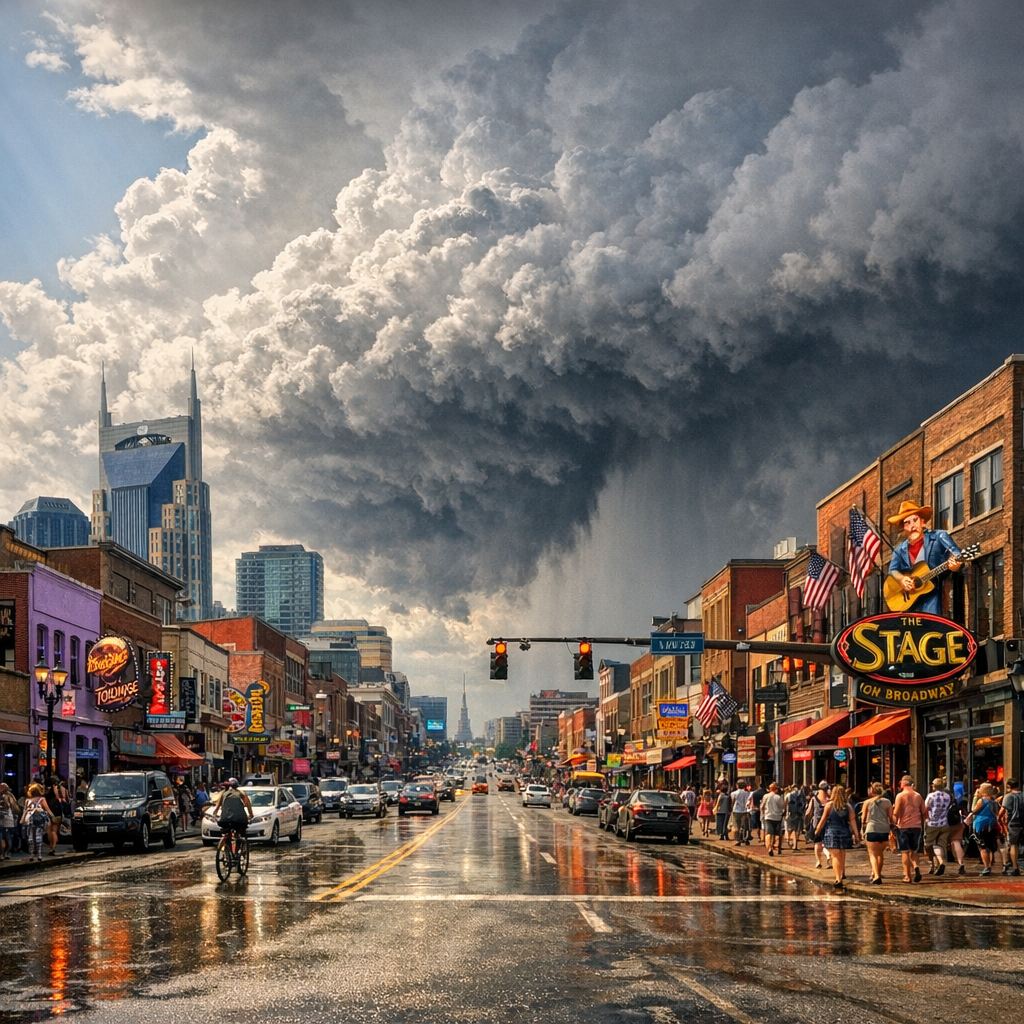
I’m William Thompson covering Weather & Environment in Nashville. As seasons transition more abruptly and climate patterns shift, folks here are seeing changes that go beyond what older generations remember. Understanding those changes helps us adapt—to our homes, gardens, and community as a whole.
Longer Growing Seasons, Fewer Freezes
Over the past fifty years, Nashville has seen its growing season lengthen by more than a month. Frost-free days have become more common, and what used to be rare winter thaws are gradually becoming ordinary. Between 1976-80 and 2021-25, the number of days with temperatures at or below freezing dropped sharply. Winters are milder overall, bringing shifts in when plants bloom and when pests emerge. (Sources: climate trend datasets)
Heat, Humidity, and Extreme Heat Events
Summers are getting hotter. Average daytime highs during June, July, and August have risen, pushing heat indices—what the heat feels like when humidity is taken into account—into more dangerous ranges more often. Nashville’s adaptation and resilience planning warns that heat waves aren’t just “hot days”—they strain public health, infrastructure, and energy demand, especially in neighborhoods lacking tree cover or green relief. (Sources: Nashville climate adaptation plans, Climate Central summaries)
Rainfall Patterns: More Intensity, Less Predictability
Rain isn’t falling more days so much as when it falls, it tends to do so harder. Heavy downpours and thunderstorms are increasing, particularly in spring and early summer. The rainy season now often includes periods of flooding risk, followed by dry spells. Spring remains the wettest time of year, though fall is becoming less reliably dry than in decades past. (Sources: climate assessments, weather service summaries)
City Risks—and What’s Being Done
Nashville faces rising challenges: Urban heat islands where built surfaces absorb and radiate heat, flash flooding in areas lacking proper drainage, and threats to public health from hot, humid air. The city’s 2024 Climate Adaptation & Resilience Plan lays out practical steps—from planting more shade trees and improving stormwater systems to focusing on vulnerable communities. (Sources: Metro Nashville CARP report)
What Residents Can Do
- Plant native and drought-tolerant species to reduce watering and support local ecosystems.
- Find or create shade with awnings, trees, or cool roofing to reduce heat indoors.
- Keep gutters and storm drains cleared before heavy rain seasons.
- Pay attention to heat alerts and stay hydrated—especially during peak summer afternoons.
- Support local policies for green infrastructure and urban forestry to help the city adapt.
These changes aren’t happening overnight—but they are noticeable, and they’re making an impact. By staying informed and adapting together, Nashville can face shifting climate realities with resilience.