

By Ava Garcia
From Smart Homes to Health Tools
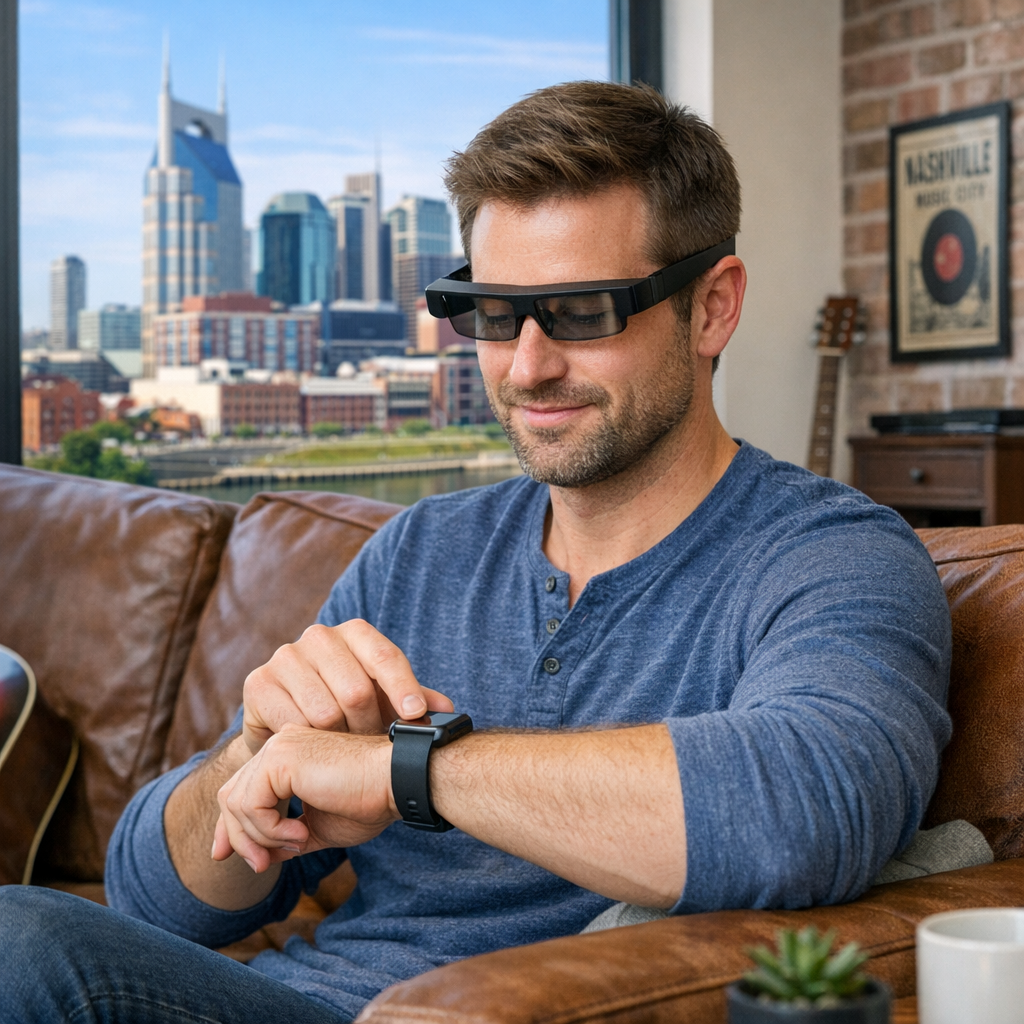
You may not realize it, but artificial intelligence is already woven through many Nashville homes and routines. From smart speakers and lighting that adjust to your habits to wellness wearables that track sleep, stress, and heart rate, these gadgets are helping people monitor their health more closely than ever before. Features like trend insights or automated reminders—driven by AI—add a layer of support rather than just tracking numbers.
Startups Bringing Tech Local
Locally, Nashville’s startup scene is embracing AI and automation in creative ways. Entrepreneurs are building services that use AI to ease workload—whether for small businesses managing bookings, local artists enhancing audio production, or community nonprofits using predictive tools to allocate resources more efficiently. These solutions save time, reduce repetitive tasks, and help people focus on more meaningful work.
Work, Education, and Connection
At the office, remote work or hybrid schedules are now powered by AI tools that streamline communication—email summarization, smart calendars, video meeting assistants. In education, students outside traditional classrooms are using platforms offering personalized feedback and virtual labs to supplement hands-on learning.
Also, social connection continues to evolve: messaging apps, neighborhood groups, and digital boards are making it easier to stay engaged, organize local events, or collaborate on community causes.
Trade-Offs: What to Watch Out For
While convenience grows, so do concerns. Data privacy remains top of mind—smart devices share a lot, and local users are asking: where is the data stored? How secure is it? What is shared with big tech?
Additionally, not everyone has equal access. Tech costs, digital literacy, and reliable internet are all still barriers in some parts of town. As innovations emerge, equitable access will need to be part of how we adopt them.
Looking Ahead: What Might Come Next
- Persistent digital agents: AI assistants embedded in everyday tools (phones, cars, home systems) that know your preferences and help anticipate needs.
- Edge computing in devices: Smaller, faster chips allowing for more processing to happen right in your gadget—for example in earbuds, wearables, and home sensors.
- Domain-specific tools: AI built for a particular purpose—like songwriting in Nashville’s music economy, or optimizing operations for local small businesses.
What You Can Do Now
If you’re curious or cautious, here are steps to engage with these changes safely and meaningfully:
- Review privacy settings on your gadgets and smart systems regularly, especially what data they collect and share.
- Try out one new AI tool—a wellness app, an automated calendar feature—and reflect whether it adds convenience or complexity.
- Support or follow local tech initiatives—workshops, meetups, or nonprofits—that help spread access to tech beyond downtown or high-income areas.
In Nashville, AI and tech aren’t coming—they’re already here. The key question isn’t whether they’ll impact life, but how we shape that impact to serve everyone.