

By Olivia Nguyen
Across Nashville and its nearby regions, high school and college athletes are driving shifts that reflect broader patterns in sports— from recruiting changes to shifting power dynamics between public and private institutions. Here’s a look at how local stories are becoming part of national conversations.
College Sports and the Evolving Dream
Many local high school athletes are earning college opportunities earlier than ever. During recent signing periods, players from schools across Nashville committed to schools of all sizes. Some chose top NCAA programs, while others picked junior colleges or included community colleges to build toward four-year offers. Their paths underscore how college recruiting is no longer linear.
Meanwhile, what happens at the college level—such as transfer portal activity or conversations about eligibility extensions—is reshaping what high school athletes can expect. They’re watching how athletic programs support student-athletes, and many are making decisions with NIL (Name, Image, Likeness) prospects, academic support, and exposure in mind.
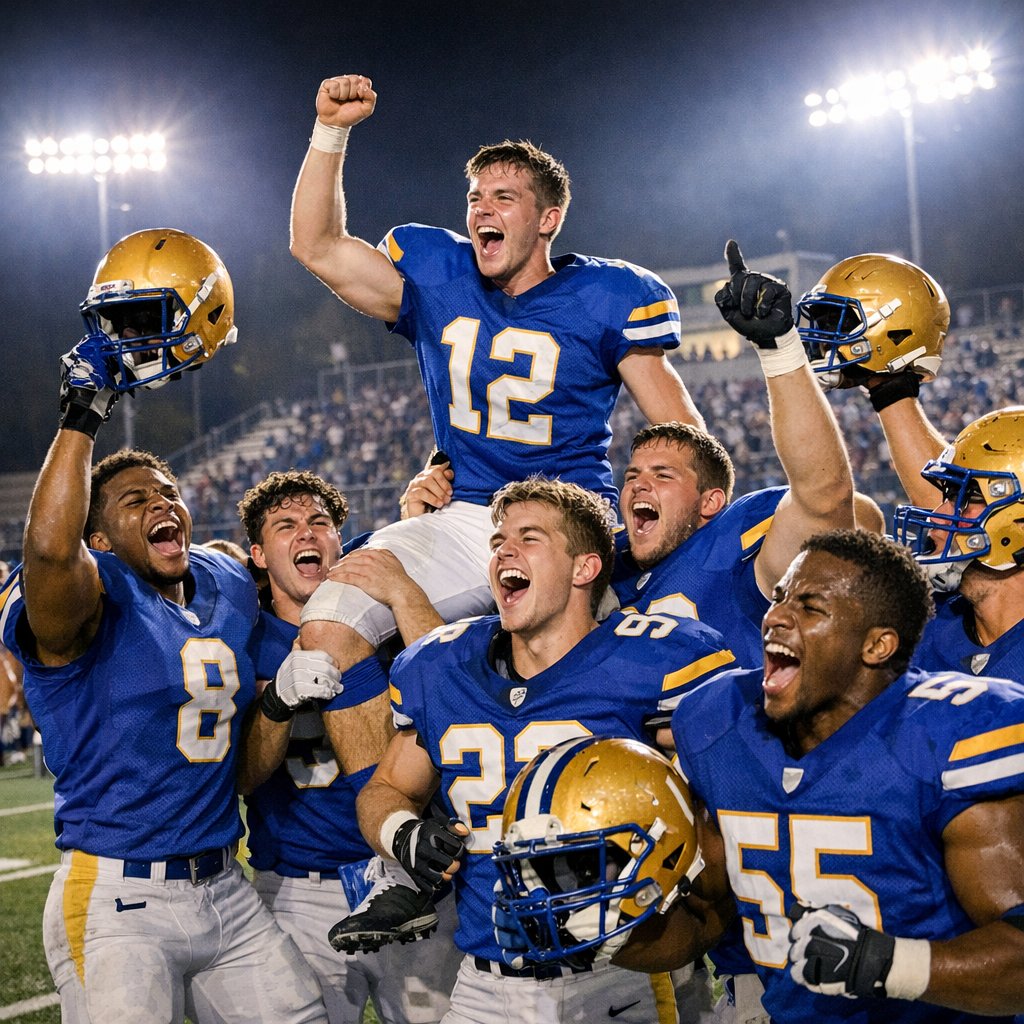
High School Football: Community, Identity, and Surprise Upsets
High school football remains central to many Nashville neighborhoods. But even as longtime powerhouses set expectations, there have been surprise performances from underdog teams in recent weeks. Schools that historically operated on smaller budgets or lesser-known talent rosters are earning complex wins, aided by strong coaching hires and investments in support systems.
One thing becoming clearer: it’s not just on-field talent that’s making a difference. Resources like improved weight rooms, access to strength and conditioning coaches, better academic counseling, and expanded travel schedules are helping level the field across traditional gaps.
Public vs. Private and Charter Schools: Competition Beyond the Scoreboard
Charter and private schools in the Nashville area are increasingly competitive with public schools—not just in schedules, but in recruiting and facilities. Their ability to pull from wider geographic areas, sometimes combined with backing from booster and alumni networks, creates tensions and incentivizes public schools to innovate.
Some recent arrangements—like school co-ops or shared athletic facilities—have brought into focus issues of fairness, enrollment lines, and sports access. Families and students are often caught in the middle: they want opportunities, recognition, and programs that feel equitable.
What This Means for Local Athletes
- Diverse pathways: More athletes are now considering junior college, Division II or NAIA programs, prep schools, or international options—not just the Power Five.
- Support matters: Academic and personal development supports (mental health, tutoring, nutrition) are increasingly taken into account by both athletes and recruiters.
- Community investment: When local communities prioritize athletics funding, inclusive policies, and equal opportunity, more schools thrive—including those that traditionally lacked margins.
Ultimately, Nashville’s athletic fabric is weaving together tradition and change. What used to seem like “local stories” are now barometers for national trends—how high school athletes navigate college, how schools compete beyond wins, and how every athlete, regardless of background, seeks not just success, but opportunity.