

What Nashvillians are really saying
A recent Vanderbilt University poll found that 82% of residents say they cannot afford to buy a home in Davidson County, a reflection of rising home values and stagnant income growth. Affordable housing has now overtaken most issues—second only to public education—in terms of public concern. Many are asking: what’s next for the city we all call home?
Metro’s growing toolbox for housing
Metro Nashville has taken concrete steps to address affordability through the Unified Housing Strategy. The plan outlines a clear seven-point agenda to strengthen housing security: building new units, preserving existing homes, enabling homeownership, and supporting vulnerable populations are all in the mix.
Still, the barriers are high. Since 2019, home values have jumped approximately 40%, while incomes have risen by only around 19%. That kind of gap pressures first-time buyers and families earning under $100,000 a year.
Transportation overhauls coming in
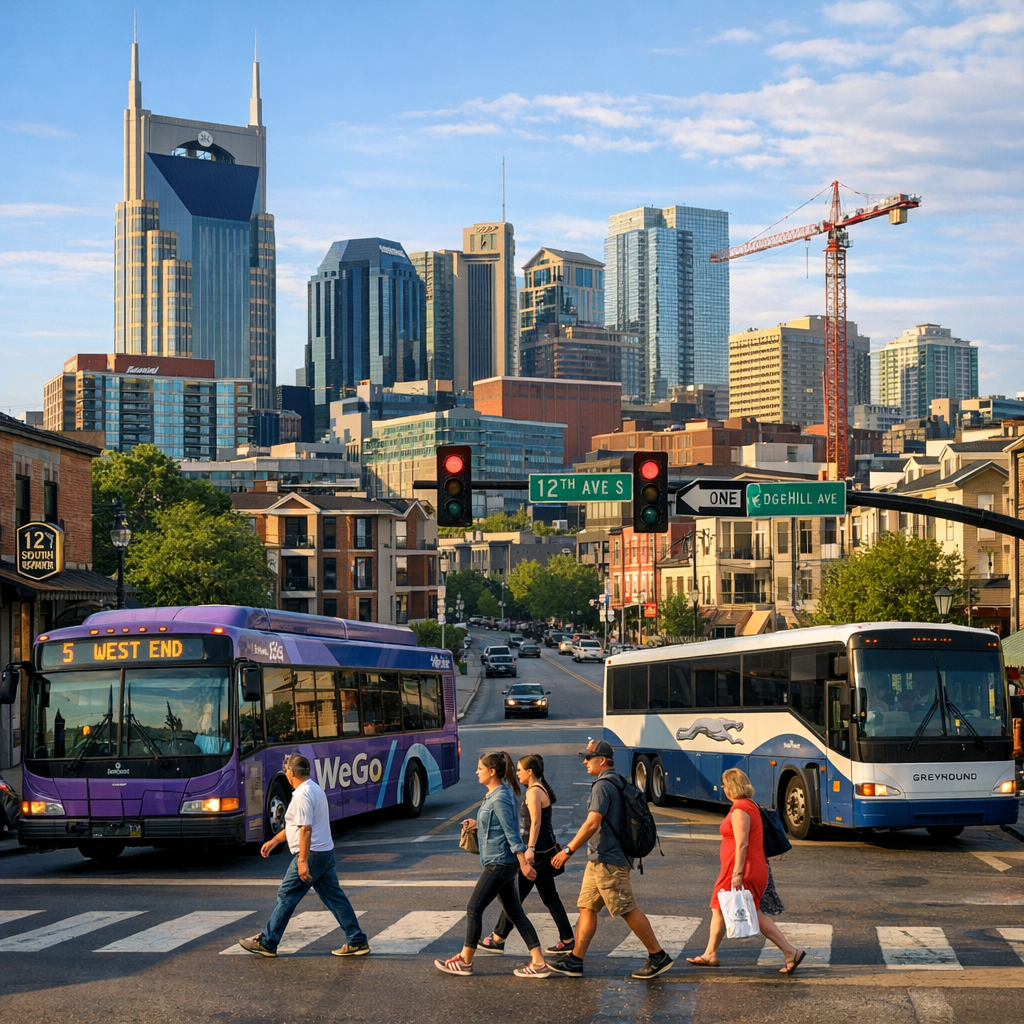
Transportation is another pillar of what people want improved. Metro’s new “Choose How You Move” initiative—funded by voter-approved revenue—is already funding big infrastructure projects. Among the most ambitious: the Nolensville Pike All-Access Corridor, which will connect Downtown to South Nashville with better transit, safer streets, and design for multiple modes of travel.
Elsewhere, state-level efforts are moving forward too. The approval of the $9.2 billion I-24 Southeast Choice Lanes project would bring major interstate upgrades along with options for smoother traffic and potential relief for congestion.
What neighbors want—and demand
Residents are emphasizing that growth shouldn’t mean losing neighborhood character or affordability. In recent polling, support remains strong for allowing multifamily housing, but many want this limited to denser areas. Others hope zoning rules will adapt to enable smaller-scale housing to emerge in more neighborhoods.
Meanwhile, Metro’s updated parks plan—“Plan to Play”—is reinvigorating community conversations around how much Nashvillians are willing to invest in greenspace, playgrounds, and basic upkeep. Deferred maintenance, population growth, and deferred infrastructure all factor into the decisions.
Why this matters moving forward
Strategic planning matters because unchecked costs and underdeveloped infrastructure strain quality of life. When housing prices, traffic, or utility failures push people out, the city risks hollowing out the very diversity and vibrancy that made its rise possible.
Nashville’s leadership—city, county, and state—is making moves, but success depends on equity: making sure changes benefit longtime residents, low-income households, and neighborhoods that have borne the brunt of rapid development.
Everyday steps for Nashvillians
• Voice your priorities: attend Metro Council meetings or offer public comment when housing, budgeting, or zoning matters are discussed.
• Follow tools like the Affordable Housing Dashboard and updates to Choose How You Move to stay informed about local plans.
• Support neighborhood efforts that prioritize affordability—whether through advocate groups, nonprofits, or local development policies.
• Know your rights and resources: many programs exist to help with homeownership, rental assistance, or transit access in priority areas.
Nashville is at a turning point. What it becomes depends on whether growth is shared—and whether long-time and new residents alike feel this city is built for all of us.