

By Mia Wilson
Housing Prices: Slowing Down, Not Crashing
In recent months, Nashville’s median home value has dipped slightly — as of late July 2026 it stood around $434,000, down about 3% compared to a year earlier. Homes tend to go from listing to pending sale in roughly 30 days, showing the market remains active even as price growth eases. Median sale prices hover in the mid-$460,000s.
These numbers suggest the market is cooling but not collapsing — buyers have more room to negotiate than in the heady days just a couple years back.
Rental Market Trends: Flat Though Competitive
The typical rent has held steady in Nashville, around $1,830–$1,850, with almost no year-over-year increase. Asking rents show slight month-to-month variation, but there’s no dramatic upward push.
For renters, that means stable costs — though for many households aiming for more affordable units, availability remains slim, especially as demand stays strong.
Affordable Housing: Bold Moves in Policy and Development
The city has put several strategies in motion to confront housing affordability. One is the Unified Housing Strategy, a roadmap focused on aligning resources, zoning, finance tools, and policies with the goal of expanding access to stable, affordable homes.
Also under development is the Housing & Infrastructure Study, which explores zoning and infrastructure updates to allow more diverse housing types (townhomes, duplexes, etc.) and to speed up approval timelines, which often inflate costs.
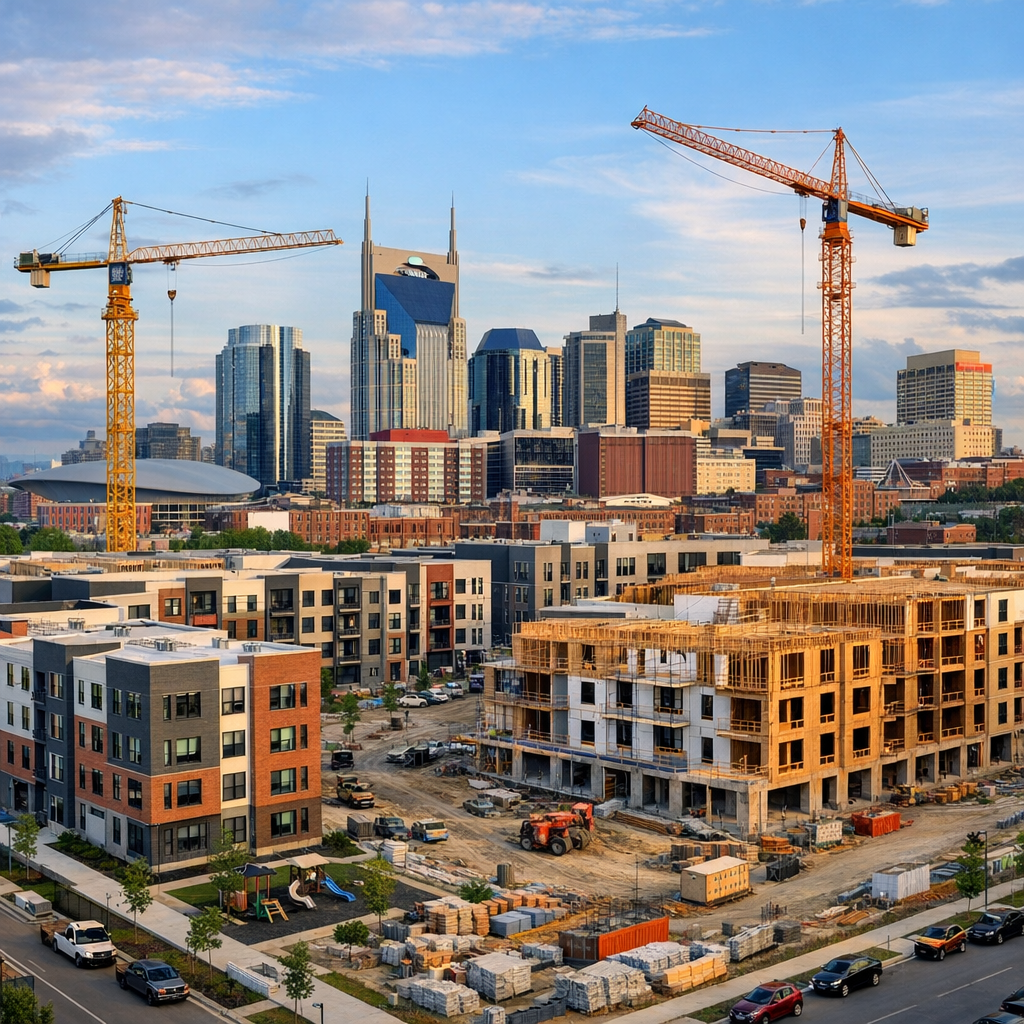
On the ground, new affordable buildings are being planned or built — most notably, Eastpoint Flats on the East Bank will create 323 strictly income-restricted units along with childcare and retail space, all under a 99-year lease to keep it affordable long term.
Zoning, Development, and What’s Ahead
Rehabilitation and redevelopment projects are another piece of the picture — for example, the transformation of Napier Place and Sudekum Apartments aims to update amenities while preserving affordability.
Another proposed project, Belmont Village Apartments on 12th Avenue South, would build 79 units restricted to households earning up to 60% of metro area median income, helped by tax incentives, PILOT agreements, and Low-Income Housing Tax Credits.
These efforts show how public policy tools and partnership with developers are being leveraged to bridge affordability gaps that market prices alone are not going to close.
What Buyers and Renters Should Watch
- Neighborhood infrastructure improvements and transit access often correlate with rising home values. If you’re buying, consider areas targeted for development.
- For renters seeking affordable units: keep in mind that income-restricted units go quickly, so staying informed about new LIHTC offerings and MDHA projects is key.
- Zoning changes are in flux. As Nashville relaxes restrictions in some neighborhoods, anticipate more middle-housing options in places that were formerly single-family only.
Nashville’s housing market is finding its balance. Prices and rents are easing from peak pressure, but meaningful affordability will depend on policy, development, and staying tuned into how change is happening across both neighborhoods and regulations. As always, decisions made today — by city leaders, developers, and homebuyers alike — will shape where Nashvillians call home for years to come.