

By Mia Wilson
Whether you’re renting, buying, or watching development projects pop up across the city, Nashville’s housing and real estate trends are changing in meaningful ways. Here’s a look at what’s underway—and what it means for residents.
Market Cooling: What Buyers Should Know
After years of steep price increases, Nashville has entered a phase where home prices are easing. Active listings have climbed, giving buyers more options than in recent years, while median listing prices have dipped. Homes are sitting on the market longer than before—an indicator that leverage is shifting back toward buyers. This doesn’t mean a crash is coming, but it does mean there’s a chance to be more selective and perhaps negotiate better deals.
Renting and Affordability: Gaps Still Wide
Affordability remains one of the biggest challenges. Nearly half of renter households in Nashville are cost-burdened—that means they spend more than 30% of income on housing. For those at or below 50% of Area Median Income, the number of affordable homes lags far behind demand. Subsidies and workforce housing developments help, but many towns and neighborhoods still need more options.
What’s Being Built: New & Affordable Housing Projects
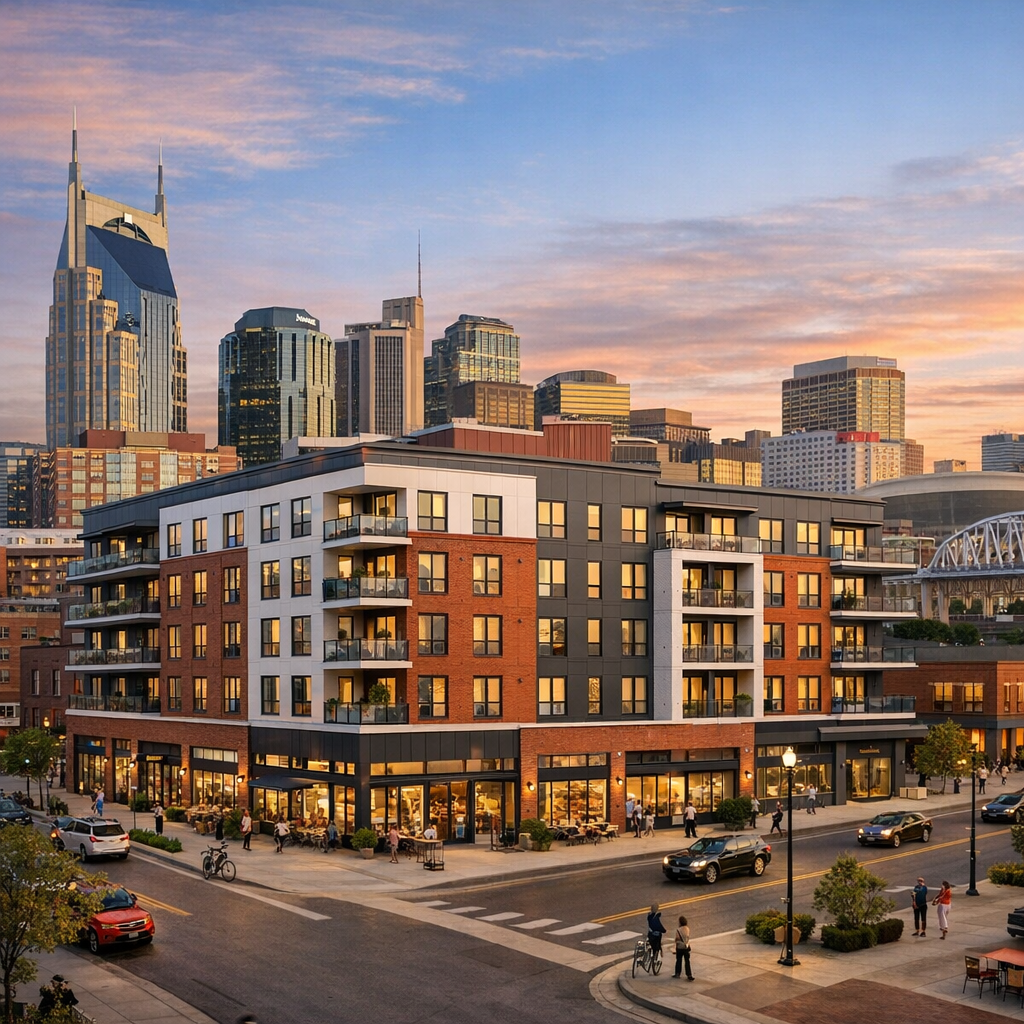
Development is continuing—both in high-profile mixed-use projects and affordable housing.
- Eastpoint Flats: This is a 100% affordable housing project in the East Bank neighborhood. It will offer 323 income-restricted homes, a childcare facility, and retail space. A 99-year ground lease ensures long-term affordability of land.
- Napier & Sudekum Redevelopment: The Metro Development, through MDHA, is transforming this area into a mixed-use, mixed-income community. Plans include over 2,000 units, with a one-for-one replacement of 821 existing subsidized homes. A new park is also on the drawing board.
- New Units Across Davidson County: From workforce housing to townhomes to single-family infill, there are scores of residential projects approved or underway—including Habitat builds, apartment amendments, and new senior living developments. These aim to serve a variety of income levels.
Zoning & Infrastructure: Policy Shifts to Watch
City planning work is gearing up to align zoning laws, infrastructure capacity, and development patterns with current needs. Key efforts include:
- Updating zoning code to support smaller homes, duplexes, and multi-family dwellings in more neighborhoods.
- Design-based standards to improve how buildings fit into the surrounding area—height, orientation, public access, and neighborhood character all in view.
- Planning to pair housing growth with supporting infrastructure—roads, utilities, transit—so new housing doesn’t create strain or unintended burdens.
So What Should Nashvillians Do?
If you’re buying, this may be a good time to find value—but hire someone local who understands neighborhoods and changing comps. If you’re renting, check for waiting lists at affordable housing and service agencies; some new units are set aside for low-income or workforce renters. For neighborhood activists, there’s opportunity to engage: public comments, zoning discussions, and affordable housing studies are open and ongoing.
Nashville’s housing future won’t be driven by any single project or developer—it’s the sum of policy, demand, and the will to balance growth with affordability. Keep watching how these pieces move, because they’ll define who gets to live here, what options they’ll have, and what our city looks like in decades to come.