

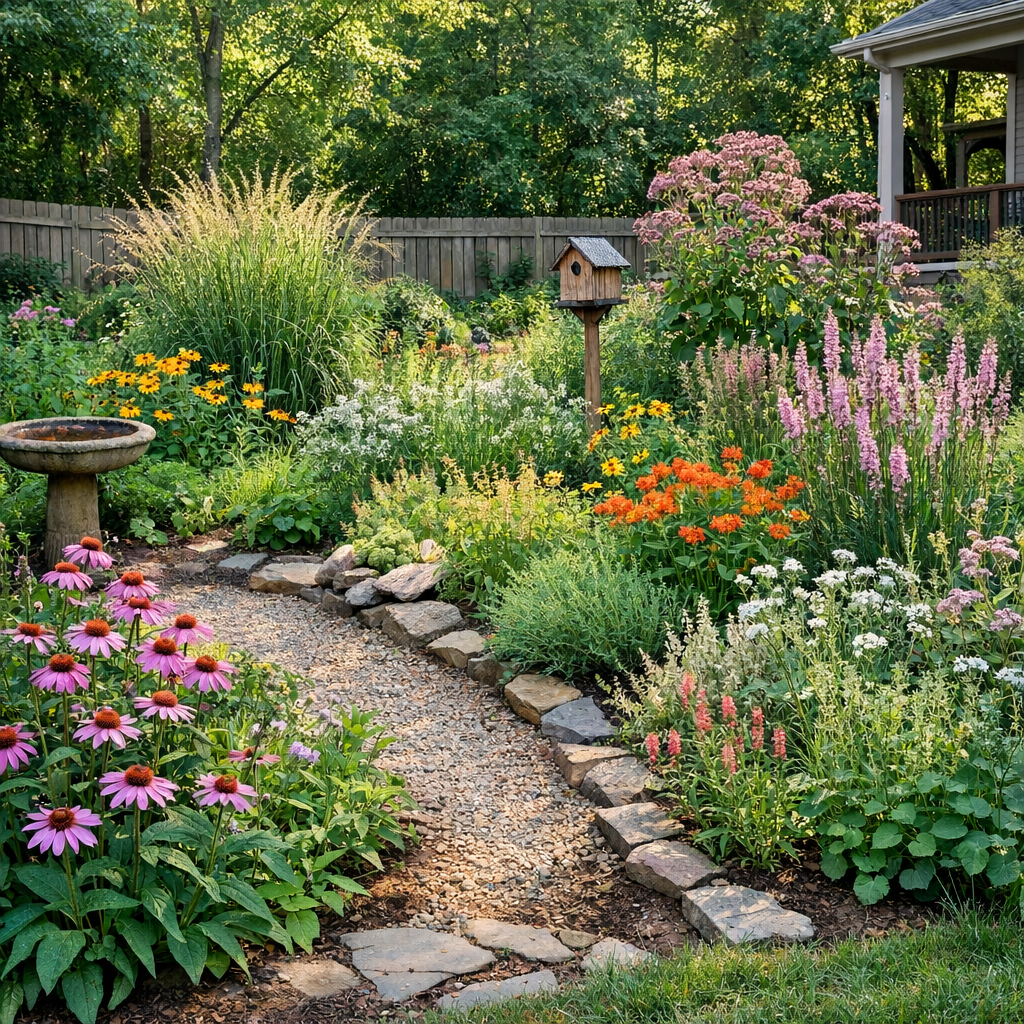
It’s no secret: weather in Nashville is changing. And alongside the heat and storms, our city’s natural landscape—yards, parks, forests—is increasingly critical to keeping us cool, dry, and grounded. Here’s an overview of recent climate trends and some sustainable landscaping strategies that can help our community adapt more resiliently.
Climate Trends in Nashville & Tennessee
Average temperatures across Tennessee have risen by about 0.5°F over the past century, with heat waves and warm nights becoming more frequent. What used to be typical frost days are now rarer; between 1970 and 1996, Nashville had 15 years with at least one day below freezing, but since 1996 that number has dropped sharply. Likewise, severe storms—those with heavy rainfall, flooding, or damaging wind—are occurring more often. Rainfall intensity for brief periods is increasing, putting pressure on drainage systems and green spaces.
Urban heat islands—where pavement, buildings, and lack of green cover trap heat—make nights especially warm in denser neighborhoods. During clear, calm evenings, these areas may be 5-10°F hotter than rural surroundings.
Natural Hazards We’re Facing
Flash Floods & Heavy Rainfall
Intense, short-term rain events have become more frequent. These can quickly overwhelm streets and stormwater systems, especially in areas with impervious surfaces. Managing runoff is now a major concern for both public safety and water quality.
Heat Waves & High Overnight Temperatures
Hot summers, coupled with high humidity and elevated overnight lows, increase health risks—especially for older adults, children, and anyone without cooling access. Vegetation cover, shade, and a thoughtful urban design help reduce heat exposure.
The Role of Native Plants in Building Resilience
Native plants are species that evolved in this region—sects like oak, hickory, coneflowers, and native grasses and ferns. Because they’re adapted to Middle Tennessee’s soil, rainfall patterns, and temperature extremes, they tend to need less watering, pesticides, and maintenance while offering habitat for wildlife.
Here are ways planting native species contributes to climate resilience in Nashville:
- Stormwater absorption: Deep root systems help infiltrate water into the soil, reducing runoff that otherwise floods streets and carries pollutants into waterways.
- Cooling effect: Native trees and shrubs with broad canopies can shade pavements and buildings, lowering ambient temperatures.
- Biodiversity support: Native gardens sustain pollinators and local fauna, which helps ecosystems remain healthy even under stress.
Practical Landscaping Tips for Nashville Residents
Even small gardens or yards can make an impact. Here are actions you can take:
- Choose plants suited to your microclimate—sun exposure, soil moisture, slope—and match them to the right spot.
- Replace lawn or invasive ornamentals with native alternatives. Not only are natives better for the environment, but once established, they often need less frequent watering.
- Use rain gardens or bioswales in low spots to capture runoff from roofs, driveways, or streets.
- In urban areas, prioritize canopy trees along streets, walkways, or parks to shade sidewalks and reduce heat buildup.
- Work with local programs—extension services, native plant societies, or smart-yard initiatives—for resources and plant recommendations.
What Local Planning Is Doing
The Metro Nashville Climate Adaptation and Resilience Plan is helping the city identify vulnerabilities related to heat, storms, and flooding. It also focuses on natural environment protection and infrastructure improvements. Ensuring green spaces, preserving tree canopy, and integrating native species into public landscaping are key to the city’s resilience efforts.
Looking Ahead
As weather shifts become more frequent and intense, growing our native flora is a long-term hedge. It reduces risk, improves health, and strengthens the bond between our city and its ecosystems. Whether you’re rethinking a flower bed, planting a tree, or managing water runoff, every little bit helps Nashville adapt to changing weather without losing its natural character.