

By Sophia Anderson
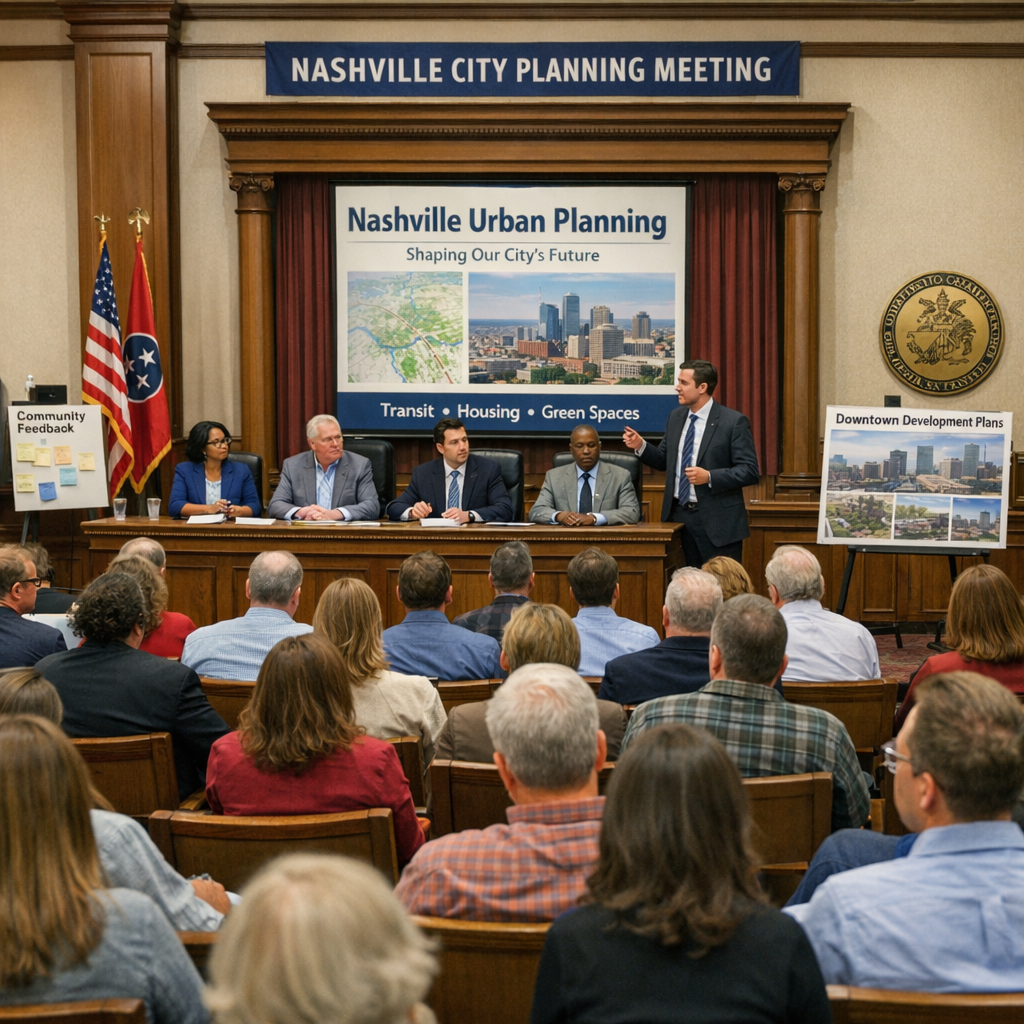
Nashville is entering a pivotal chapter in its growth. The Metro Planning Department’s Design & Development Strategy (D&DS) has released an “Existing Conditions and Trends Report” and is now asking residents to contribute to what comes next. Here’s what this means for neighborhoods across the city, and how every Nashvillian can participate.
What Is the Design & Development Strategy?
The D&DS is a planning initiative focused on how Nashville’s inner urban core is growing and changing. It’s not just about building more—it’s about aligning land use, design standards, regulations, and incentives so development is more predictable, sustainable, and centered on preserving what makes our city unique.
The strategy looks closely at center and corridor areas, tying in with other major city plans like Choose How You Move (the city’s plan to improve transportation, sidewalks, mobility corridors) and the Unified Housing Strategy. It’s rooted in the longer-term vision laid out in NashvilleNext, too.
Why This Matters for Your Community
In many parts of Nashville, residents say growth feels random: tall buildings next to single-family homes, gaps in sidewalk coverage, transit that doesn’t connect well. The D&DS aims to change that. It will:
- Offer updates to zoning rules and building codes that better reflect neighborhood character.
- Shape how open spaces, street design, and public realm are preserved alongside growth.
- Explore protecting historic districts, cultural landmarks, and environmental features as the city grows denser.
Next Steps: What’s On the Table
The report already published is phase one. Coming up:
- Scenario planning with residents—telling what growth and development look like across different paths.
- Policy updates in community plans, community character guides, and supplemental policies to reflect current needs.
- Targeted regulatory changes. One example: a text amendment to the Downtown Code for the Midtown East area—where early findings suggest near-term action is needed.
How to Get Involved
Nashville residents have several concrete ways to weigh in:
- Attend public meetings or virtual sessions hosted by the Planning Department. Notices will be shared citywide.
- Study the Existing Conditions and Trends Report (available online through the City’s Engage Nashville platform) and submit feedback during public comment windows.
- Connect with your neighborhood association or community organization to send collective comments or suggestions. These voices are often impactful in shaping amendments.
Challenges and Trade-Offs to Consider
Real growth brings trade-offs. Some tensions residents will think through include:
- Density vs. character: increasing housing near transit corridors may affect views, landscaping, lot sizes.
- Infrastructure lag: sidewalks, transit service, and green space often struggle to keep up with rapid development.
- Affordable housing pressure: without protections and smart policy, rising demand can raise prices and displace long-time residents.
Long-Term Impacts
If D&DS delivers on its promise, Nashville could see:
- More predictable building and permitting processes across neighborhoods.
- City growth that feels more inclusive and tied to existing community character.
- Better public spaces and transit that serve people more equitably.
In short, this is a moment to go beyond watching growth—it’s a chance to shape what Nashville becomes. Whether you live in East Nashville, North, South, or beyond, your voice in this process could help make your block, your street, your community part of the Nashville future you want.