

By Michael Williams
As life in Nashville keeps moving—jobs, neighbors, football—so too do larger forces in Washington that shape what people pay for groceries, how agency heads are held accountable, and how federal dollars flow into our city. Here’s a breakdown of several major national developments and what they might mean for us.
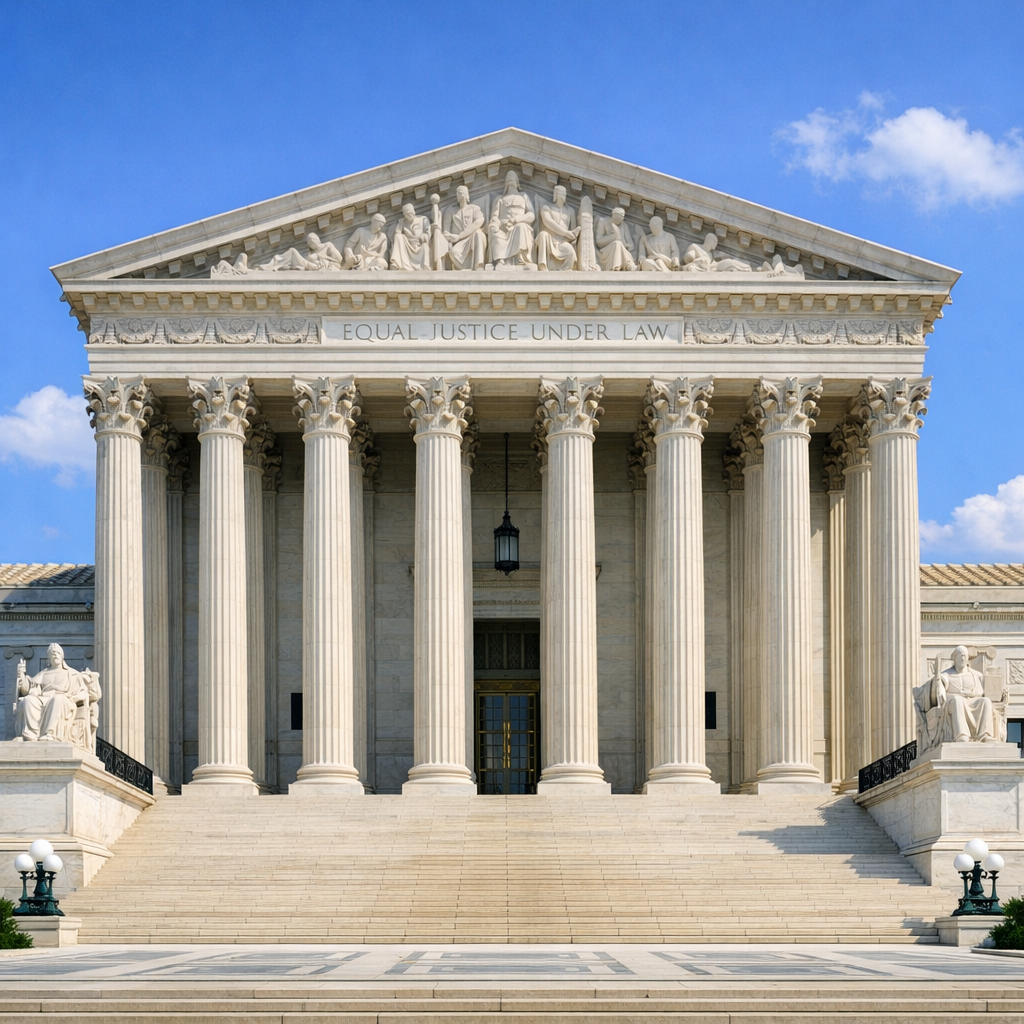
Supreme Court Expands Presidential Power, Except Over Fed
In recent rulings, the U.S. Supreme Court greatly widened the authority of the President to fire leaders of independent federal agencies, even when law had previously required official cause. This power gives the executive branch more flexibility—and the possibility to shift policy more rapidly. However, the Court drew a firm line around the Federal Reserve, affirming that Congress retains the power to protect its independence in setting interest rates.
For Nashville residents, this could mean more political turnover among federal agencies affecting everything from environmental enforcement to social program delivery—but a clearer expectation that interest rates aren’t going to be subject to same kind of political reshuffling.
Inflation and Growth: A Mixed Picture
The economic report updates show that growth continues, albeit unevenly. Inflation remains elevated—far above the Fed’s long-run target—and consumer costs in many areas are putting pressure on budgets. But under the hood, there are areas of strength: business investment is solid, especially in tech and AI-related sectors, and corporate earnings remain robust.
Closer to home in Middle Tennessee, rising costs mean mortgages, grocery bills, and gas remain on many people’s minds. But job creation continues at a steady clip, offering some cushion. For those with savings or fixed incomes, the impact of inflation means hard choices.
Tariffs, Trade, and Unpredictable Shifts
One Supreme Court case struck down broad presidential authority to impose tariffs under a law meant for economic emergencies. The decision makes clear that trade policy, especially one dealing with imports and exports, remains subject to legal checks. Also, heightened tariffs elsewhere have contributed to inflation pressures domestically.
Since Nashville is a trade and transportation hub, changes in tariffs—especially on goods passing through or originating from local industry—can ripple into higher costs or new supply chain delays.
What to Look For Next
- Federal regulations: Will more agency chiefs be replaced with leadership aligned with political priorities, and what that means for programs like environmental protection, workplace safety, or consumer finance.
- Interest rates: Despite stronger presidential power in many areas, the Fed’s independence means its decisions on rates still matter for homeowners and borrowers in Tennessee.
- Cost pressures: Pay attention to how inflation in core items—food, housing, energy—affects household budgets across income levels.
- Trade policy litigation: With courts pushing back on wide swings in tariff authority, businesses will need to closely watch which import/export rules are enforceable and consistent.
Even in Nashville, it’s useful to pay attention to what’s happening in Washington. Legal shifts, economic metrics, and trade policies may feel distant—but they set the stage for what happens at your kitchen table, your business ledger, or your local government’s budget.