

By Daniel Rodriguez
Under Pressure from Property Taxes
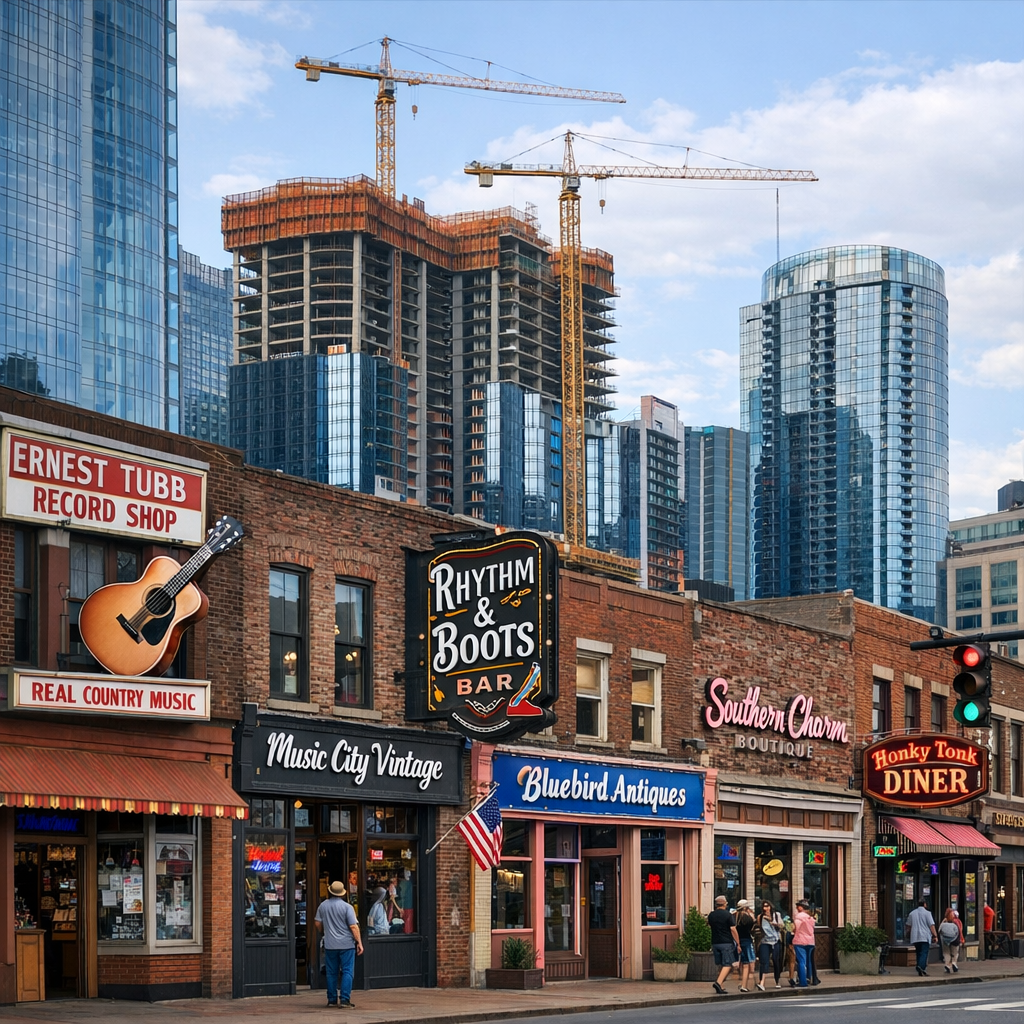
Nashville small business owners are facing sharply increased property tax bills that in some cases have doubled or even quadrupled. Iconic honky-tonks and neighborhood staples are among those reporting three- and fourfold rises, threatening financial sustainability. For many of these businesses, steep tax bills are not just a burden—they’re pushing some to the brink of closure.
Escalating Rents and Neighborhood Displacement
Alongside higher taxes, commercial rents have surged in many areas—particularly in downtown, entertainment districts, and rapidly developing neighborhoods. Rising property values are often celebrated, but they carry hidden costs for mom-and-pop shops. Owners are being priced out, with many reporting that landlords are favoring chains or national brands that can pay top dollar. This pattern contributes to local businesses being displaced from the very blocks that made those areas vibrant.
Tight Labour Market and Talent Costs
The competition for employees is intense. Unemployment in the region is low, giving job-seekers leverage, and the rising cost of living—especially housing—makes it difficult for small businesses to attract and retain staff. Many owners find themselves revising their hiring practices, offering more flexible schedules, or enhancing benefits just to stay competitive.
Ways Local Businesses Are Adapting
To manage these economic headwinds, business owners are employing several strategies:
- Consolidating or moving to more affordable locations—often targeting second-generation spaces or rising neighborhoods rather than premium districts.
- Joining or forming coalitions to push for policy changes, such as commercial property tax relief and better support from city and state governments.
- Experimenting with hybrid revenue models—such as combining retail with experiences or hosting events—to smooth out seasonal revenue swings.
- Investing in marketing that highlights local identity and values, appealing to residents who want to support independent businesses.
Role of Public Policy and Support
City officials are increasingly recognizing the strain and considering actions like supporting long-running neighborhood businesses, cutting the sales-tax on groceries, and working on legacy business grants. These moves are part of larger discussions about how to balance Nashville’s rapid growth with maintaining its character and economic diversity.
A Forward View
If local businesses are going to thrive alongside the city’s development, solutions likely will require collaboration between business owners, residents, and government. Whether through reforming tax frameworks, improving affordability, or strengthening community support, preserving the backbone of Nashville’s local economy means keeping those who built it in place.