

By Isabella Baker
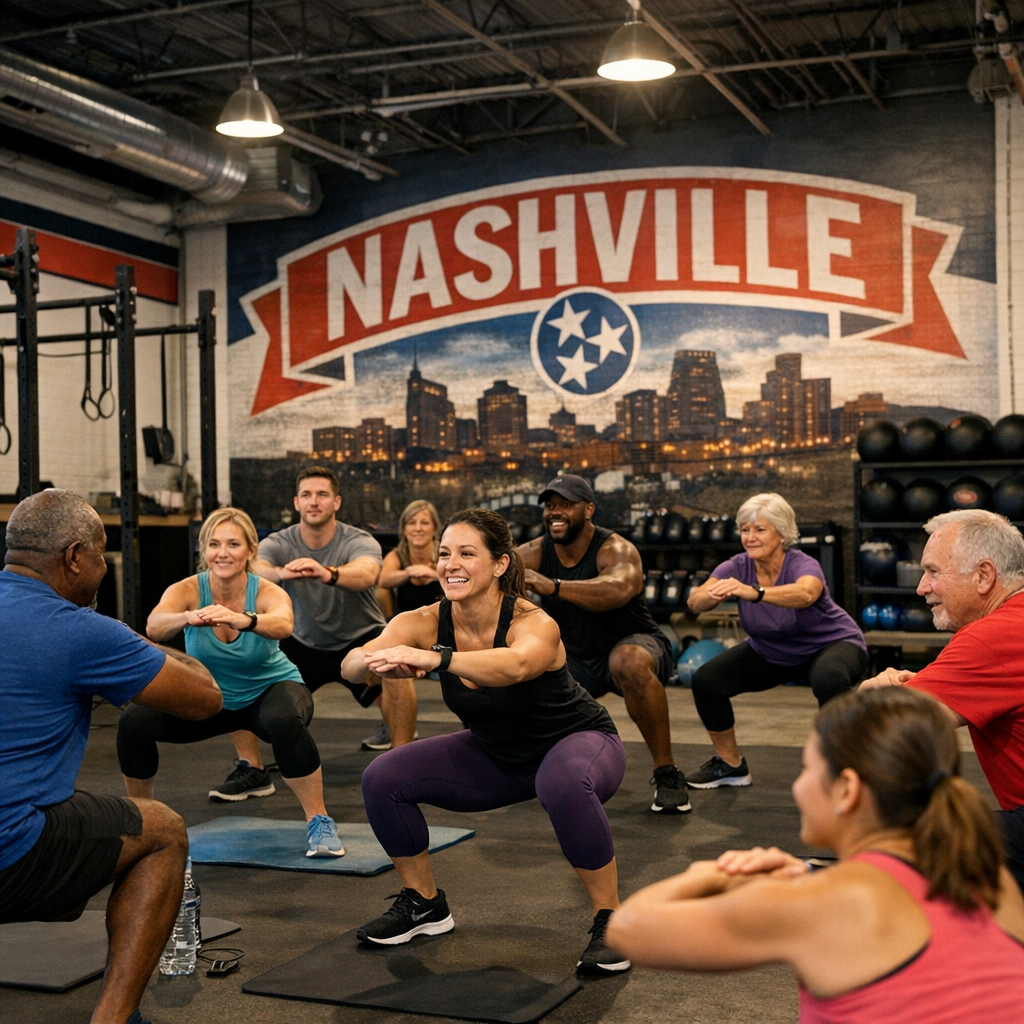
In Music City, health and wellness aren’t just buzzwords—they’re part of how many Nashvillians live. Whether you’re running greenways at sunrise, joining a gym, or simply trying to manage stress, merging fitness and mental health brings benefits that go far beyond the physical.
Why Fitness is Crucial for Mental Health
Regular physical activity helps reduce anxiety, symptoms of depression, and the negative impact of stress. Moving your body—whatever that looks like—can release mood-boosting endorphins, improve sleep, and sharpen focus.
Still, workouts alone are just one piece. Emotional well-being also requires rest, meaningful connection, and intentional habits for resilience.
Local Ways Nashvillians Can Blend Movement and Mindfulness
1. Try Recovery-Focused Fitness Gyms
New facilities around town—like the Nashville Performance Club in Hillsboro Village—offer more than strength training. With amenities like saunas, cold plunges, and guided breathwork sessions, these gyms focus on balancing intensity with recovery to reduce burnout and promote long-term sustainability. Personalized coaching models make the journey feel more human and less transactional.
2. Leverage Affordable Community Options
The YMCA of Middle Tennessee has branches throughout Nashville offering access to indoor pools, fitness classes, and well-equipped weight rooms—many with early and late hours to fit varied schedules.
Also, the Metro Public Health Department supports behavioral health resources, including free mental health screenings and referrals. These public services can complement workouts by making help more accessible when needed.
3. Embrace Low-Impact & Movement-Based Practices
Many locals are tuning into Pilates, yoga, barre, and functional movement—not necessarily because they’re easier, but because they’re focused on longevity and injury prevention. These practices build strength, flexibility, and body awareness without overstressing joints or taxing your nervous system.
4. Build Rest & Self-Care into Your Routine
Recovery isn’t a luxury—it’s a requirement. Schedule rest days, prioritize sleep, and use breathing techniques or guided meditation to reset the mind. Even small rituals—like a hot bath, quiet tea breaks, or nature walks—can shift your nervous system out of “go” mode and into calm.
Tips for Finding Your Balance
- Set realistic movement goals based on your current lifestyle—for instance, try three workouts a week plus one longer walk or stretch session.
- Seek gyms or classes with a culture of support—not competitiveness. Coaches who notice how you move (or don’t) make a big difference.
- Use local green spaces. Running or walking trails along greenways or parks offer natural stress relief without a class schedule.
- Track more than calories or weights. Notice energy, mood, sleep quality—these are often better indicators of overall health.
Long-Term Strategy for Sustainable Wellness
Holistic wellness shifts the question from “What can I do today to feel better?” to “How can I build a lifestyle where fitness and mental health support each other over years?” It means staying curious, adjusting routines when life changes, and seeking community that complements—not competes—with your goals.
If you’re looking for accountability, consider a coach or community class. If finances are tight, public resources or low-cost studios can help. The important thing is showing up—in whatever way feels possible—and letting both body and mind grow stronger together.