

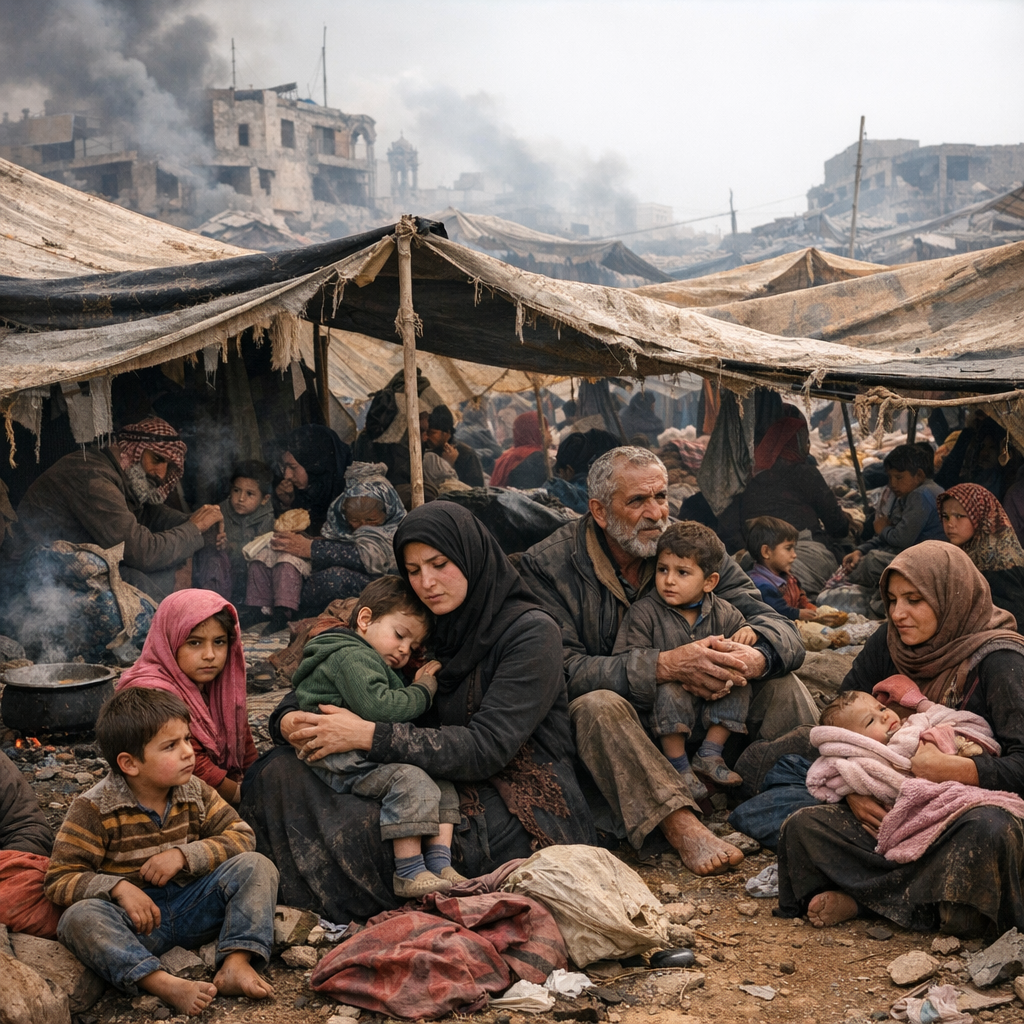
By Emily Johnson — Around the world, millions of lives are being shaped by conflicts, climate shocks, and a humanitarian system stretched thin. Understanding how these forces intertwine is essential for communities like ours in Nashville to grasp the bigger picture and our shared human responsibility.
Conflict & Displacement on Unprecedented Scale
Recent reports show that armed conflicts have reached a level not seen in decades. Violence in regions like Sudan, Ukraine, Yemen, and Gaza has led to massive displacement—both internal and across borders. In Sudan alone, more than 30 million people need humanitarian assistance, with conflict between armed groups triggering widespread hunger, disease, and displacement. Meanwhile, in South Sudan, rising violence, climate shocks, and flooding are deepening the crisis. Hospitals and healthcare facilities are under stress or destroyed, making even basic care a luxury. Funding shortfalls make it worse. Many affected populations can’t access help despite urgent need.
Climate Threats Amplify Vulnerability
Extreme weather events—droughts, floods, heat waves—are increasing in both intensity and frequency, especially in places that historically saw fewer disasters. These events disrupt agriculture, displace people, destroy infrastructure, and stretch response systems thin. Beyond immediate harm, climate shocks compromise food production and access, amplifying hunger and malnutrition. For example, conflict zones in the Middle East are facing severe food supply disruptions caused by both war and climate-related delays.
The Health System Under Siege
Armed conflict, political instability, and forced displacement inflict not just immediate violence but indirect effects that reach deep into public health. Reports indicate tens of millions of people in crisis zones are being cut off from essential healthcare services. More women and children die from collapse of clinical infrastructure, lack of access, and attacks on health workers. Outbreaks of disease—both communicable and due to deteriorating sanitary conditions—are rising. The global humanitarian health system is not keeping pace.
What Needs to Change: Key Priorities
- Strengthen international humanitarian law: Enforce protections for civilians and healthcare workers in conflict. Impunity undermines safety and trust.
- Boost funding, especially to local responders: Aid organizations everywhere say rising needs are met with shrinking donor commitments. Local systems often bear the brunt but get the least support.
- Integrate climate adaptation: Emergency response must include investments in resilience—better infrastructure, early warning systems, and local capacity to cope with disasters.
- Prioritize equity & rights: Forced displacement, gender, age, geography—all impact vulnerability. Policies must center those most at risk to be effective.
Why It Matters for Us in Nashville
Global crises may feel distant, but their ripple effects are closer than you think. Displacement drives migration; global food supply disruptions affect costs here at home; diseases that spread unchecked elsewhere can cross borders. Nashville’s values—compassion, faith, and community—offer a role in advocacy, aid, and raising awareness. Whether via supporting responsible nonprofits, staying informed, or urging accountability in foreign policy, each of us can help shift the tide.
The stories emerging from today’s world demand we weigh our global interdependence. When conflicts endangers lives, climate changes reshape environment, and health systems are pushed past breaking, staying silent is not an option.