

By Sophia Anderson
Nashvillians are seeing meaningful changes across local streets and neighborhoods this year as city officials move forward with strategies aimed at safer transportation corridors and expanded affordable housing. Two major initiatives—Choose How You Move and the city’s Unified Housing Strategy—are now in a stage of active implementation, reshaping long-term plans into visible community improvements.
Safe Streets: Gallatin Pike & Main Street Get Major Overhaul
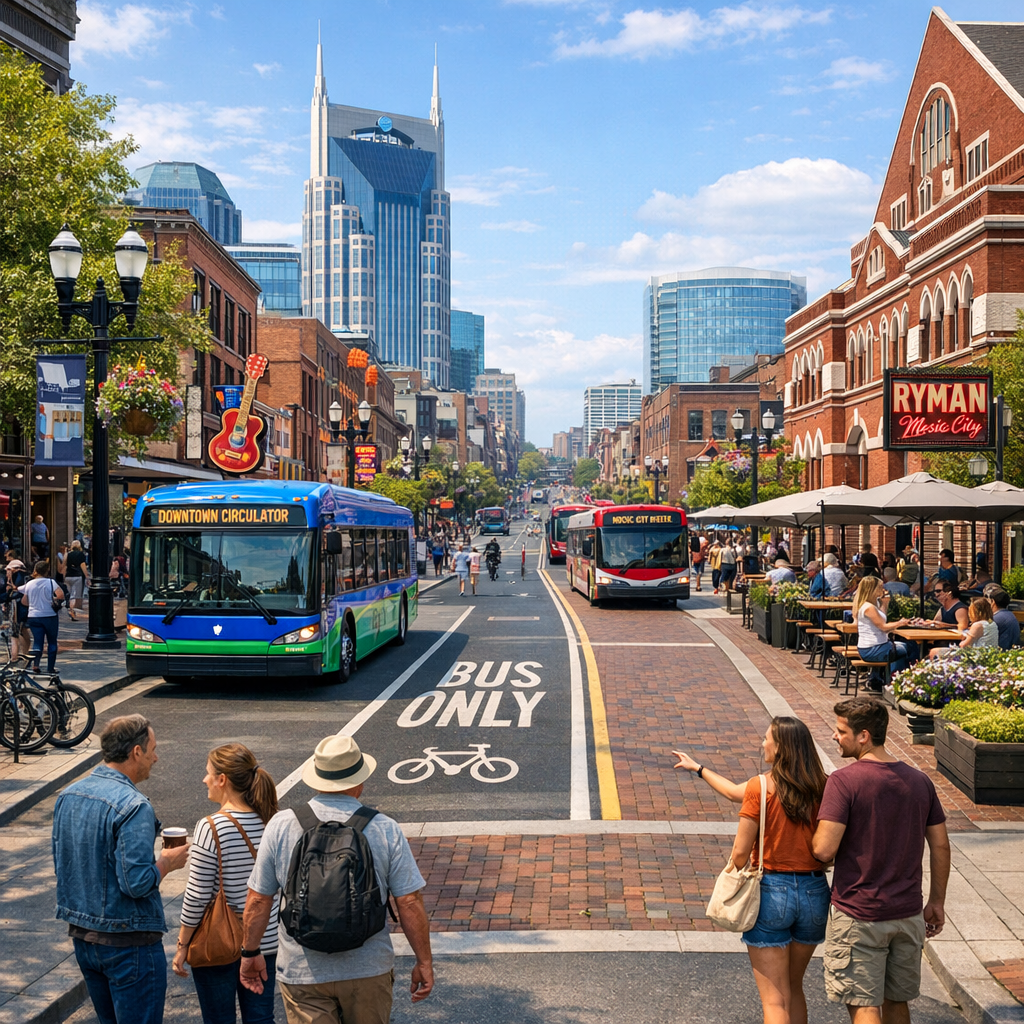
Gallatin Pike and Main Street stretch through East Nashville toward Briley Parkway and have long been identified among Nashville’s most dangerous roads. As part of the city’s Vision Zero High Injury Network and the voter-approved Choose How You Move plan, the corridor is being redesigned to better serve people walking, biking, and using transit, not just drivers. Key updates include:
- Repaving sections between South 5th Street and Briley Parkway.
- New crosswalks, bulb-outs at intersections, upgraded school zone signage, and safety signage throughout.
- Designs for dedicated lanes for buses as part of an all-access corridor stretching from downtown to Rivergate.
- Modernization of traffic signals and other traffic-calming elements planned under the $100 million transportation capital investment package unveiled this month.
These upgrades aren’t just about fixing worn pavement—they’re about reshaping behavior and setting a template for Nashville’s future road safety standards. Community input has been ongoing and is being woven into planning and design decisions.
Affordable Housing Strategies Take Shape
Nashville’s housing crisis remains acute. A recent poll found that more than four out of five residents believe they can’t afford a home in the city. In response, Metro has launched several programs and funds aimed at both creating new affordable homes and preserving existing housing for Nashville’s lower and moderate-income families. Key tools include:
- The Unified Housing Strategy, which sets out seven strategic pillars—from building new homes to preserving existing units and improving housing stability—to align city and agency efforts.
- The HOME Investment Partnerships Program, which provides down payment assistance for homebuyers earning up to 80% of area median income (AMI), and rental programs targeting households earning under 60% AMI.
- The recently established Nashville Catalyst Fund, a public-private capital pool designed to respond quickly within Nashville’s competitive real estate market. It supports mission-driven developers committed to income restrictions for 30 years or more.
- The People’s Budget Coalition’s “Housing & Safety for All” proposal, which aims to dedicate millions in future bond-funded investment to permanently affordable, community-governed housing and non-police community safety programs.
Connecting Housing and Mobility
What’s emerging is a tighter connection between where housing is built and how people move around Nashville. Transit-accessible corridors like Gallatin Pike are being viewed not only as targets for street redesign, but as key nodes for affordable housing and mixed-use development. That means new housing proposals in Opportunity Areas are increasingly paired with mobility investments—bus service, signal upgrades, sidewalk connections—that help reduce dependence on cars and improve access to jobs and services.
What’s Ahead and How to Stay Involved
Work on the Gallatin Pike/Main Street corridor continues through mid-decade with design, funding, and construction phases. Housing programs like the HOME fund are accepting applications and selections for eligibility, but many are limited or waitlist-based—connecting with MDHA (Metropolitan Development and Housing Agency) is critical. On the environmental front, new efforts like the Ecological Conservation Strategy are under way to address natural resource protection and flood resilience as Nashville grows.
If local news, public meetings, or city dashboards aren’t yet on your radar: they will be. Sign up for Metro Nashville alerts, monitor MDHA announcements, and attend district council or transportation planning meetings. These are shaping the streets you walk and the homes you—and your neighbors—can afford.