

By Daniel Rodriguez
Nashville’s business landscape continues to expand—but the growth brings a mix of promise and pressure for local owners, job-seekers, and economic planners.
What the Data Shows
Recent industrial-market reports indicate that Nashville’s logistics and business park sectors are booming. New speculative buildings are under construction, vacancies rising slightly, but rents have climbed notably—especially in Class A spaces in the North and Southeast submarkets. Investors and businesses remain confident, especially in technology, AI, and logistics-related operations.
Despite this momentum, employment figures show some cause for concern. Metro Nashville lost roughly 1,900 nonfarm jobs in July 2026, a drop following growth in earlier months. Still, over a longer span the region has posted consistent job gains. Unemployment remains relatively low, suggesting that many sectors are still absorbing labor even if some months dip.
Opportunities & Pressures for Local Businesses
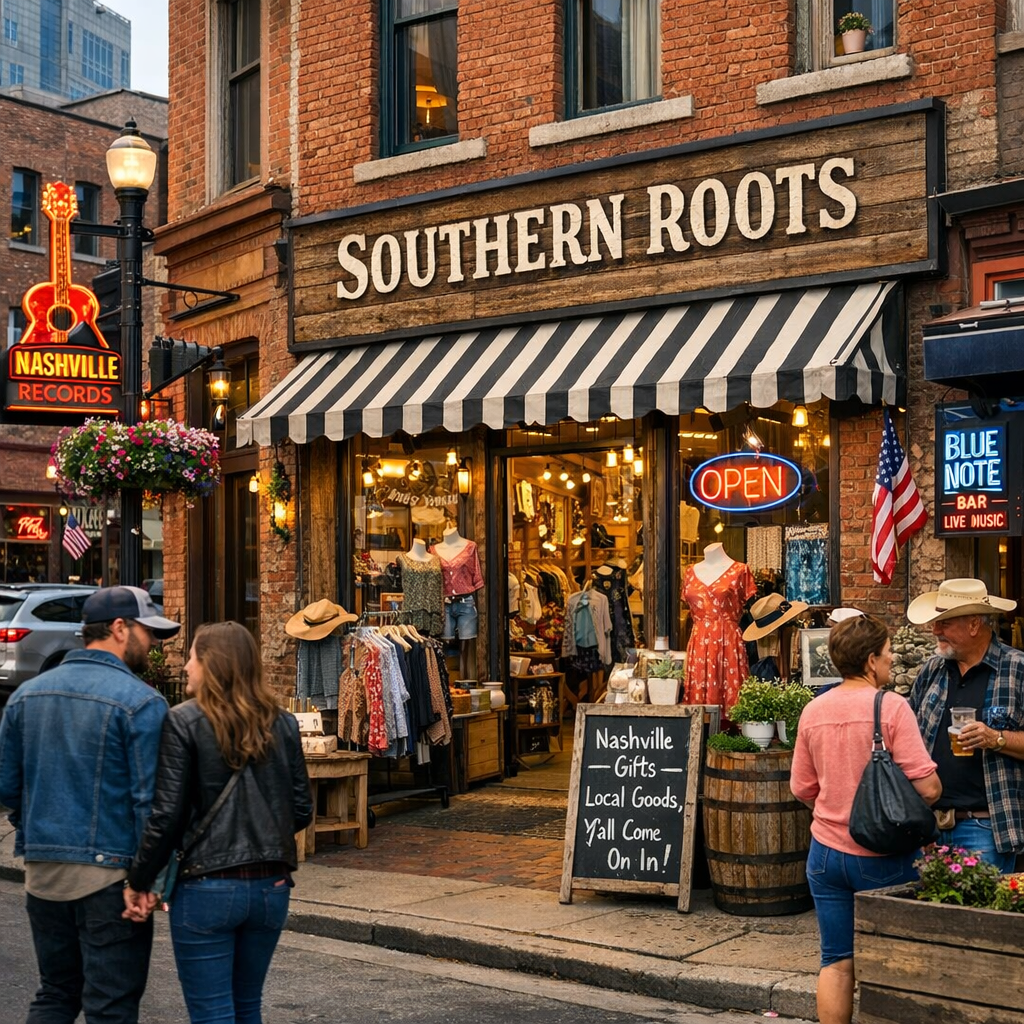
A new initiative—12 South Shop & Sip—recently opened, bringing together 14 independent vendors in a permanent market structure. The project exemplifies a rising push in Nashville to offer shared retail space and sustainable platforms for small businesses.
However, local business owners are also voicing frustrations. Rising rents, competition from large developers, and the effects of rapid neighborhood changes are making it harder to maintain affordable storefronts. Small, family-run operations—especially in historically cultural neighborhoods—are among those most at risk.
Labor & Cost Pressures
Finding and retaining good workers remains a top challenge. Inflation, payroll costs, and rising property taxes and housing expenses add strain. Entrepreneurs are juggling these pressures even as consumer demand holds steady in many areas.
What Local Stakeholders Are Doing
Mayor Freddie O’Connell’s administration has proposed small business aid programs aimed at supporting mom-and-pops that have been around for years, especially those facing displacement due to development and rent increases. The programs are still pending Metro Council approval.
Meanwhile, businesses are embracing technology, automation, and shared resources—things like co-working spaces, pop-up retail concepts, and local market cooperatives—to reduce overhead and improve visibility. Some of the speculative building activity is also geared toward industrial and logistics spaces supporting tech and supply chain firms.
What’s Ahead
Despite some recent dips in monthly employment figures, Nashville’s economy looks resilient. Long-term growth in logistics, technology, real-estate development, and retail continues to drive opportunity. But how sustainably local businesses can thrive will depend heavily on policy support, affordable space, and balancing growth with preservation of community identity.