

By *Sophia Anderson*
Bold Moves on Affordable Housing
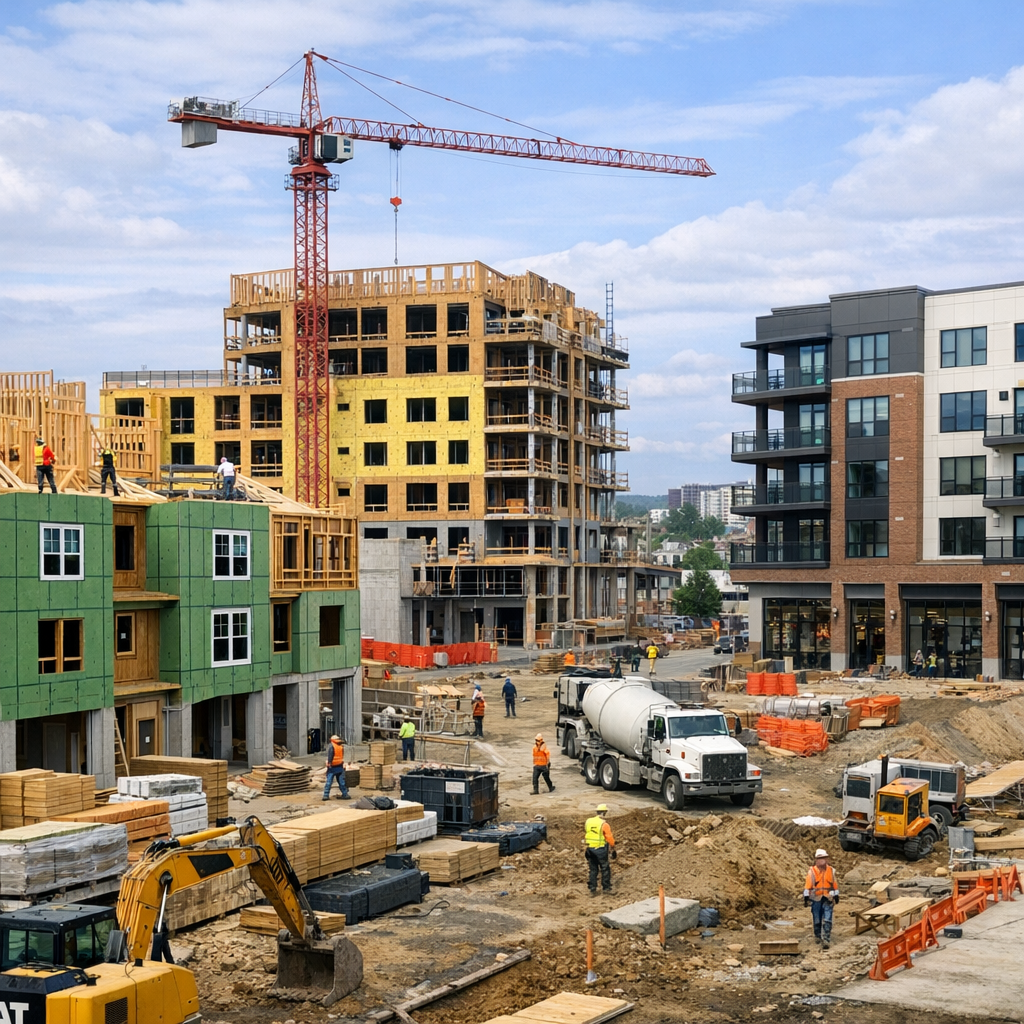
Housing remains a central issue across Nashville, and recent developments show city leaders are stepping up. Dominium has secured land for Evermere at Trinity, a development that will add 233 high-quality affordable homes under the Low-Income Housing Tax Credit program. The units will feature amenities like a swimming pool, modern appliances, and access to high-speed internet—all while remaining affordable.
Meanwhile, MDHA — the Metropolitan Development and Housing Agency — is redeveloping public housing sites under its Envision Cayce initiative. As part of this, three new developments will deliver 150 units for households earning up to 80% of the Area Median Income. Mixed-income housing and rental assistance are key components of the plan.
Additional planning work under Nashville’s Unified Housing Strategy emphasizes making land-use changes that can encourage attainable housing. That includes allowing accessory dwelling units (ADUs), adjusting zoning setbacks, and offering incentives for developers to include affordable units when building market-rate housing.
Transportation Upgrades Under “Choose How You Move”
Reforming traffic and transit is another major focus. The city recently committed a $100 million capital package as part of the “Choose How You Move” initiative. This funding supports safety improvements, updates to traffic signals, and force-multiplying transit infrastructure across key corridors.
Among specific projects: more than 90 new traffic signals will be installed along busy routes like Gallatin Pike, Wedgewood Avenue, and Hillsboro Pike; an advanced traffic management system to boost real-time incident response and pedestrian safety; and expanded fiber networks to support smart traffic operations.
What This Means for Nashville Residents
- More Housing Choices. These developments aim to help renters, first-time homeowners, and low-income families find stable, affordable places to live.
- Neighborhood Impacts. As denser, mixed-income housing grows, infrastructure pressures will increase—on roads, schools, and public transit—especially in rapidly developing areas.
- Safer Streets & Smarter Transit. New signal tech and transit investments should benefit daily commuters and neighborhoods with tricky intersections.
- Long-term Policy Shift. With zoning reform and developer incentives, Nashville is creating frameworks that can sustain affordable housing production beyond any single project.
Signs to Watch Going Forward
Will the newly built units meet expected affordability levels? How fast will the traffic signal projects turn into visible improvements? Can policy changes like ADU rules and density incentives be implemented fairly across different neighborhoods? These are questions many Nashvillians are watching closely.
The balance between growth and livability is always delicate. For residents, staying tuned to public hearings and development updates is a good way to have a voice in how these big changes shape daily life. For city leaders, following through on promises with measurable progress will be essential.