

By Sophia Anderson
Nashville is in the midst of a multifaceted transformation—from new growth in its urban core to infrastructure upgrades in neighborhoods long overdue. City leaders are navigating hard questions about how to accommodate expansion while preserving quality of life across all communities.
Zoning, Growth, and the Housing-Transportation Gap
One of the most ambitious ongoing efforts is the Housing & Infrastructure Study, released by Metro Planning and other departments. The study analyzed how Nashville’s housing supply aligns (or fails to align) with existing and planned infrastructure. Among its preliminary findings: without changes to zoning policies and development rules, the city could face a shortfall of at least 20,000 housing units over the coming decade. Recommendations focus on allowing more density along major corridors, improving design predictability, and better integrating infrastructure investments to support growth. (Housing & Infrastructure Study) in partnership with architects and local stakeholders.
Large Projects Under the Microscope
Meanwhile, the Design & Development Strategy (D&DS) initiative is providing a fresh evaluation of how zoning, design standards, and development processes are guiding Nashville’s rapidly expanding urban core. Its goals: improve predictability for builders and neighbors, preserve historic and cultural assets, and ensure that growth aligns with long-term plans like NashvilleNext and newly approved transit corridors.
Investments in Neighborhood Infrastructure
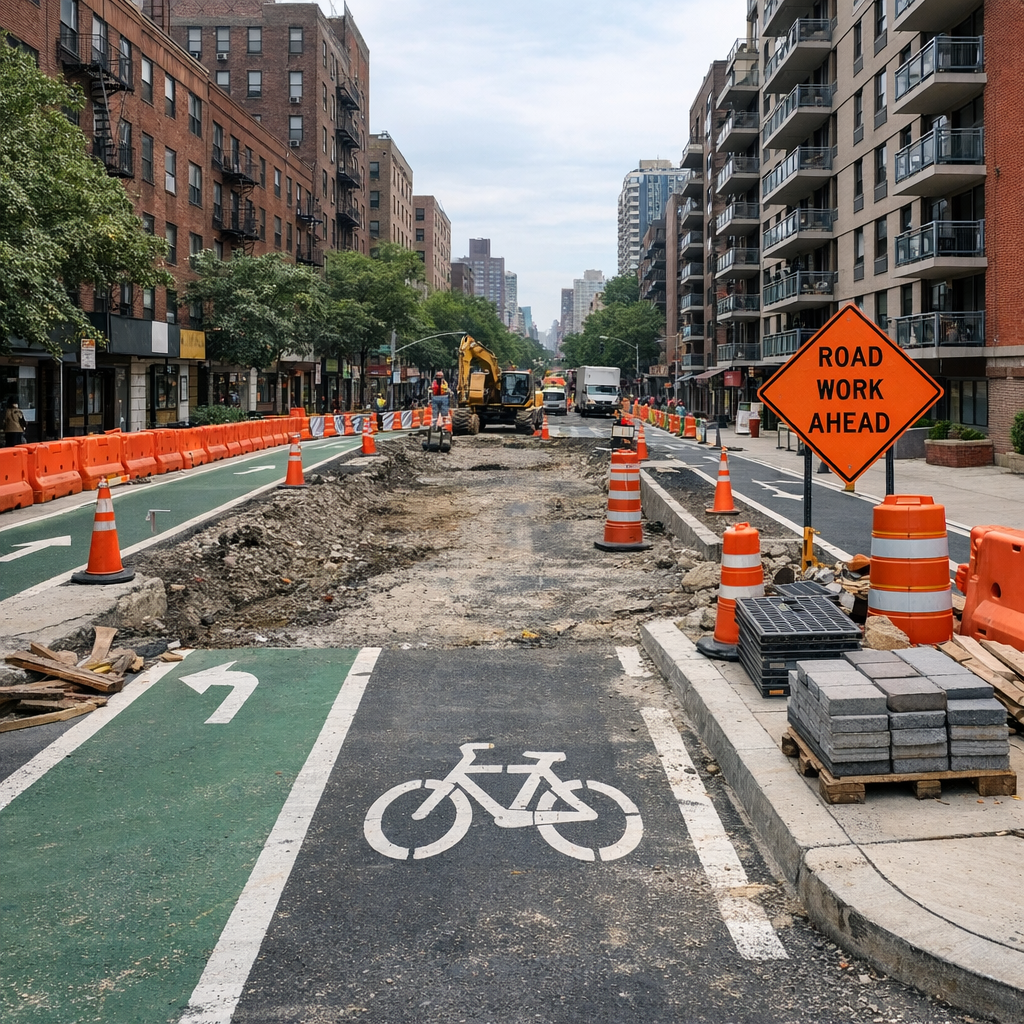
A pressing issue for many regionally is the condition of water lines, roadways, and multimodal infrastructure. The East Nashville Water Infrastructure Replacement (WIR) project is replacing aging water lines in several neighborhoods such as Cleveland Park and McFerrin Park, coinciding with plans to improve streets with bikeways, crosswalks, green infrastructure, and other traffic calming measures.
Another big push is the Clean Water Nashville program, which is tasked with reducing sewer overflows and addressing structural defects in existing systems. Recent work includes major rehabilitation of the Mill Creek-Collins Creek area and Shelby Park, including upgrades to sewer lines, manholes, and related infrastructure. These projects are important not just for maintaining service, but for environmental health and preventing damage to waterways.
Balancing Priorities: Finance, Equity, and Climate Resilience
Nashville’s financial leadership says the city is in relatively stable shape—with conservative reserve policies aimed at protecting against revenue volatility. Still, persistent concerns about housing affordability and displacement have become central to public debate. Polls show a strong sense among residents that housing costs are outpacing incomes, especially in neighborhoods seeing rapid redevelopment.
Stormwater and climate resilience are increasingly part of the infrastructure conversation. In the third capital spending plan, the city earmarked tens of millions for stormwater system upgrades, emergency communications, and planning for denser redevelopment in areas like the East Bank.
What Residents Should Know and Watch
- Public input opportunities: Community feedback is being sought on design districts, zoning updates, and multimodal street projects. Get involved in Planning Department hearings and neighborhood association meetings.
- Funding paths: Many projects depend on capital budgets, state and federal grants, and the City Council’s approval.
- Equity & neighborhoods: As redevelopment often hits first in central areas, vigilance is needed to ensure that long-time residents aren’t left behind in access to infrastructure, housing costs, and transportation.
- Environmental impact: Stormwater, sewer overflows, and utility upgrades matter for climate resilience and public health.
Nashville’s current moment is one of promise and tension. Whether the city delivers equitable, effective infrastructure while preserving the character and affordability of neighborhoods may define its path for years to come.