

By Mia Wilson
Home Values & Buyer’s Advantage
The typical home value in Nashville sits around $434,000, roughly a 3% decline compared to a year ago. It now takes about 30 days for homes to go from listing to pending sale. While sellers still hold some leverage—over 16% of recent sales went above asking price—many listings end up below list price. These trends suggest what many local agents describe: a shift toward a more buyer-friendly environment.
Rental Market Eases, but Remains Costly
Renters are seeing slight relief. The average apartment rent in Nashville has edged up to $1,864/month, with modest growth of 0.16% year over year. Units now pipeline slowly match demand, pushing rental rates down relative to peaks earlier this year. Studios, for example, go for about $1,535; two-bedrooms are near $2,057.
Meanwhile data from Zillow reflects a small drop in average across all property types — drops of about $50 year-over-year in overall rent — highlighting a subtle easing in pressure for many renters.
Affordable Housing & Local Development in Focus
Nashville’s policy and development landscape is evolving fast to address housing strain. The city has released its Unified Housing Strategy, a roadmap co-created with residents and experts, aiming to strengthen housing stability and affordability through coordinated public-private actions.
Major projects in development include Eastpoint Flats, the first fully affordable building inside the East Bank’s redevelopment, which will include childcare and retail spaces and operates under a 99-year ground lease to safeguard long-term affordability.
Another initiative is the transformation plan for Napier Place & Sudekum Apartments, where MDHA has approved a developer agreement that envisions updated amenities and brand-new affordable units, shaping communities that reflect the voices of their residents.
Challenges & Trends to Watch
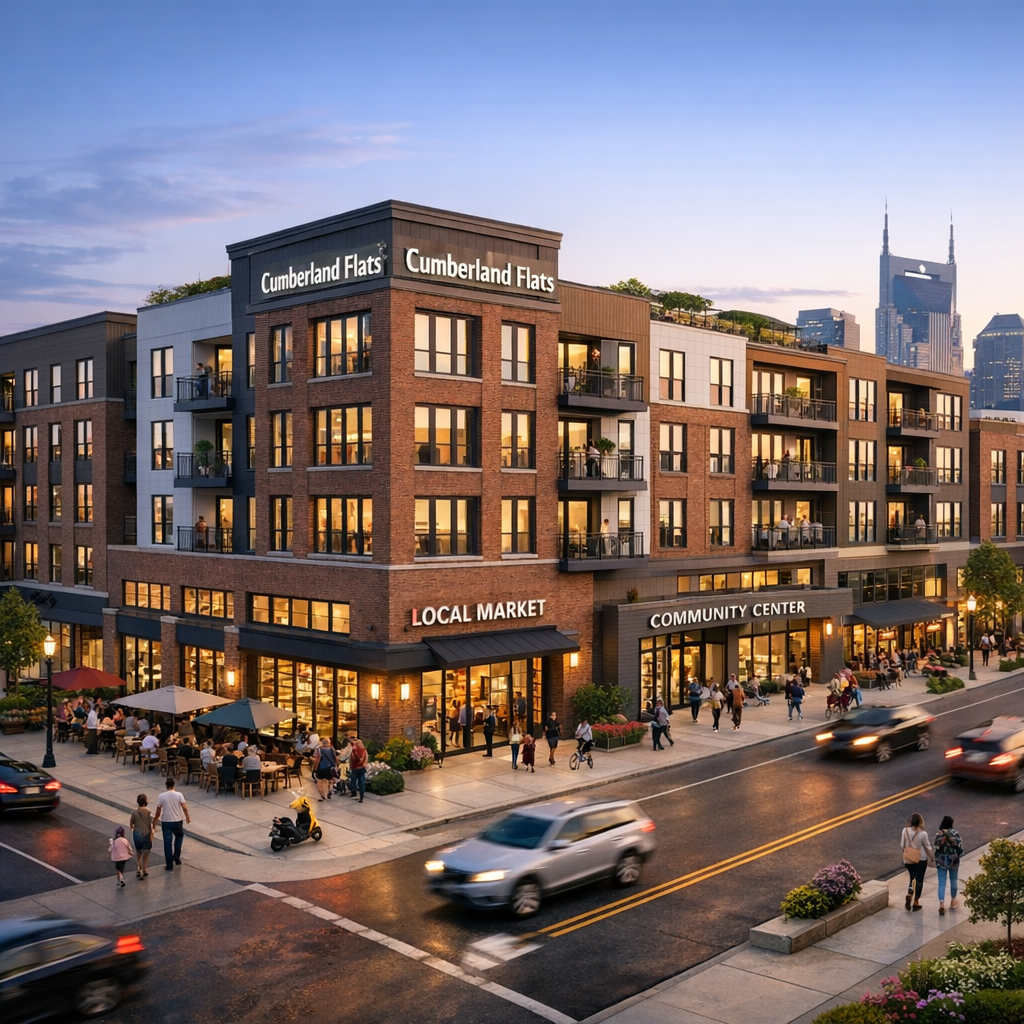
- Supply is growing in downtown and mixed-use areas—new condo, retail, and apartment buildings are changing the skyline, potentially easing tight housing availability.
- But many renters and homebuyers remain cost burdened. Nearly half of Nashville’s renter households are spending 30% or more of income on housing; severe cost burden is especially high for those at lower income levels.
- Smaller developers, especially those led by community members, face hurdles getting projects off the ground—access to predevelopment funding, capacity building, and partnerships are key in the strategy documents.
What This Means for You
Buyers may find more room to negotiate as home-values level off. Renters, if flexible on location and unit type, may benefit from eased inflation in rents but should still budget carefully. Community voices are playing a larger role—both in policy and in how affordable housing is built—making it a moment where engagement and awareness matter more than ever.