

By Sophia Anderson
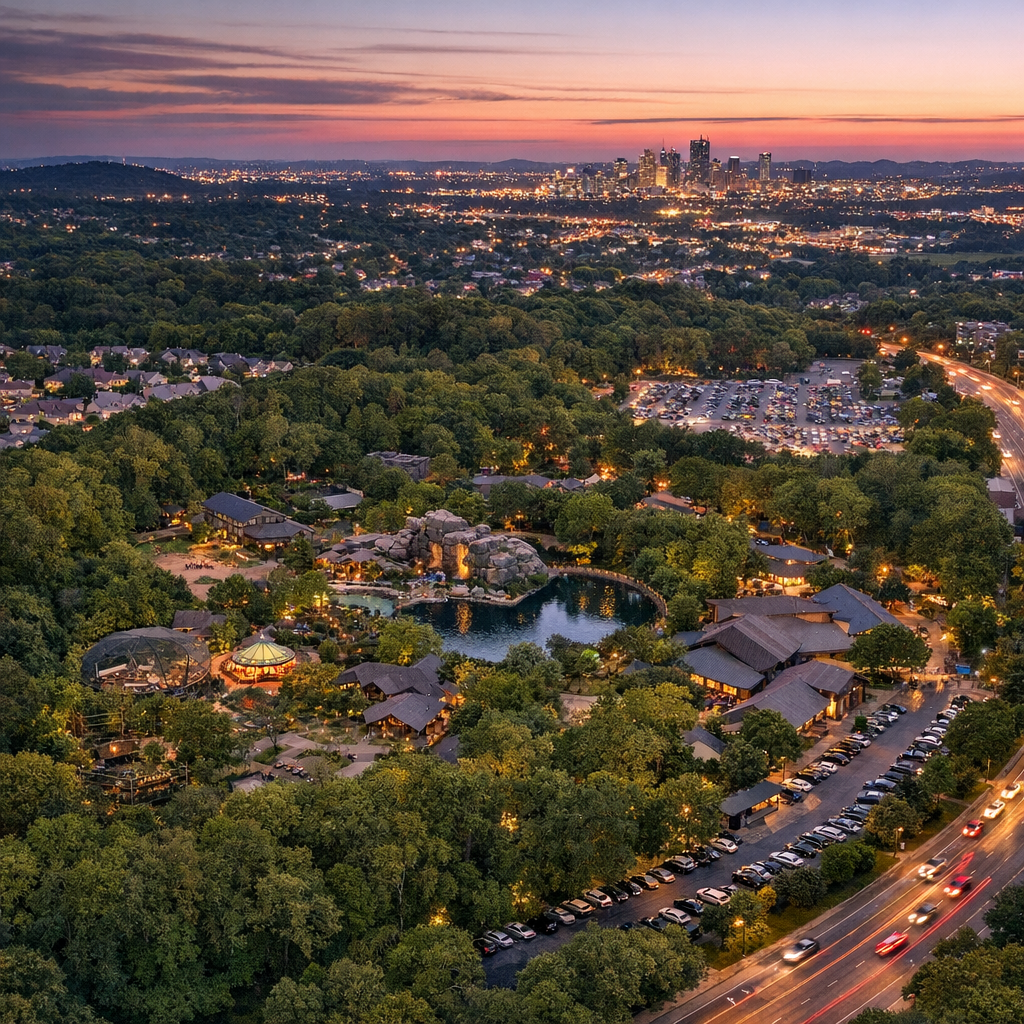
NASHVILLE — The city is stepping in to protect the Nashville Zoo at Grassmere as concerns grow over a planned data center nearby. In a decisive vote, Metro Council authorized the use of eminent domain to block the project.
Why the pushback?
The proposed data center, developed by DC BLOX, raised serious concerns among neighbors, zoo officials, and environmental advocates. The issues at stake include potential noise pollution, impacts on the animals, and the infrastructure strain of large-scale power consumption.
Metro Council members heard from constituents who say the project would change the character of Grassmere, threatening both wildlife wellbeing and peaceful enjoyment of the nearby homes.
Eminent domain: an unusual tool
On a 27–5 vote, the Council granted Metro the authority to acquire the property needed for the data center through eminent domain. This allows the city to take ownership, with compensation, if it determines the project’s harm outweighs the developer’s rights.
The move is rare. Typically, eminent domain is used for public projects like roads or utilities. Using it to counteract private development reflects just how strongly many local leaders feel about preserving the grasslands, streams, and family-friendly environment around the zoo.
Broader debate over data centers in Nashville
This decision comes amid wider efforts in Metro Government to regulate large data center development. Mayor Freddie O’Connell signed an executive order earlier this year directing city departments to study the impacts of data centers, including effects on air, water, and neighborhoods — and pursue temporary moratoriums on new large-scale data center proposals.
Simultaneously, the Metro Council has passed bills tightening zoning and environmental rules for such developments, especially in sensitive locales like near parks, near schools, or next to residential areas.
What’s next
The city will begin the eminent domain process if the developer doesn’t withdraw or modify the proposal to address the concerns. At the same time, public hearings are expected so affected neighbors and stakeholders can share feedback.
Meanwhile, the broader citywide policy work continues — including crafting regulatory frameworks, environmental safeguards, and community input guidelines for future development. Many local residents feel this will help ensure growth is responsible and sustainable.
Grassmere’s future, and Nashville’s approach to smart urban development, may hinge on the outcome of this case.