

By Sophia Anderson
In Nashville, key debates over housing, tech-enabled development, and the city’s aging infrastructure are shaping policy now and into the future.
Strengthening Support for Neighbors Experiencing Homelessness
The Metro Office of Homeless Services recently outlined its ongoing effort to end homelessness through collaborative partnerships, data-driven planning, and expanded services like permanent supportive housing. Strobel House, Nashville’s first PSH facility, is one example of infrastructure intended to provide sustainable shelter. Programs such as Rapid Re-Housing and efforts to prevent housing loss among those at risk are being scaled. Local nonprofits like Community Care Fellowship and Rooftop Nashville continue to provide essentials—meals, navigation, rent and utility assistance—alongside recovery supports. Metro’s strategic plans emphasize coordination, prevention, and inclusive access.
From vision to action
Recent reports detail how Metro’s Consolidated Plan for 2026–27 allocates HUD and other federal funds toward homelessness, affordable housing, and health partnerships. The Unified Housing Strategy spells out long-term goals including affordable units via land trusts, improved rental subsidies, and bolstered homeless diversion and prevention measures.
Data Center Expansion Faces New Regulations
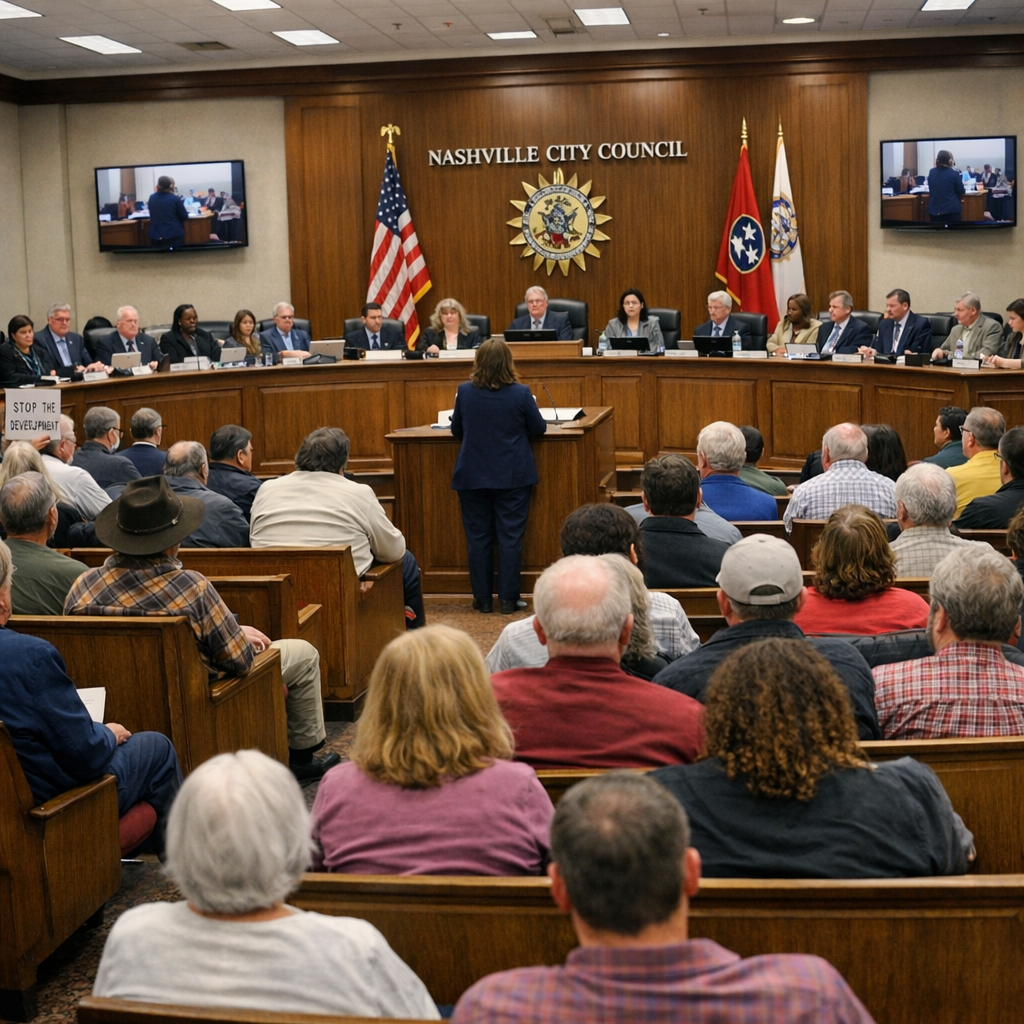
Nashville is engaging in a major policy shift around land use for large-scale data centers. Mayor Freddie O’Connell and Metro Council are introducing guardrails to govern where and how data centers are built—addressing concerns ranging from infrastructure strain and environmental impact to loss of public land and neighborhood quality. Some proposed projects, including one near the zoo, have raised community opposition. New regulations under consideration aim to balance economic development with quality of life.
Infrastructure, Transit, and Participatory Budgeting: What’s Moving Forward
Transportation and infrastructure reforms continue apace. The Choose How You Move transportation improvement plan is entering new phases, including safer street designs and road safety modifications along heavily trafficked corridors.
Elsewhere, participatory budgeting initiatives—where residents vote on neighborhood projects using allocated public funds—are nearing expiration. While many projects have been completed, a number of planned improvements (greenways, restrooms, other amenities) were delayed or repurposed as budget deadlines approached. Questions remain about transparency and accountability.
Looking Ahead: Priorities for Community and Policy
Nashville’s next steps will hinge on executing existing plans while maintaining public transparency. Effective enforcement of data center regulations will be tested, as will delivery on housing and homelessness goals already budgeted and frameworked. Engaging neighborhoods in budgeting and development decisions remains essential to trust and legitimacy.
Across all these issues, Metro’s actions in the coming months will demonstrate whether long-planned strategies translate into tangible improvements for Nashvillians.