

By Sophia Anderson
It’s an eventful moment for Nashville, with important developments unfolding across transportation, land use, and public safety that could reshape daily life and growth in Middle Tennessee.
Choose How You Move: What’s New in Nashville Transportation
Metro’s voter-backed Choose How You Move program is expanding with a new $100 million investment aimed at improving streets, transit, and connectivity. The funds support corridor upgrades, transit center development, and safer travel options like sidewalks and bike lanes. Key projects include enhancements along Nolensville Pike, Gallatin Pike, and Main Street.
Nearly 600 intersections are slated for smart signal upgrades, and multimodal infrastructure is being rolled out across several neighborhoods. These improvements are designed to reduce traffic delays, strengthen public transit, and make walks and bike rides safer.
This signals a turning point toward more equitable, accessible mobility in the city.
East Nashville’s Infrastructure Overhaul
In East Nashville—specifically the area between Dickerson Pike, Ellington Parkway, and Douglas Avenue—Metro is tackling aging water infrastructure while trying to enhance transportation networks. Through the Water Infrastructure Replacement (WIR) project, the city is replacing old water lines, then repaving roads with added pedestrian crossings, transit stops, traffic calming features, and street planting.
This dual focus aims not only to fix long-neglected utilities but also to improve mobility and safety for people who walk and bike. It’s a model for integrating utility work and street redesign in a way that serves all users.
Land Use Dispute: Data Center vs. Protected Land
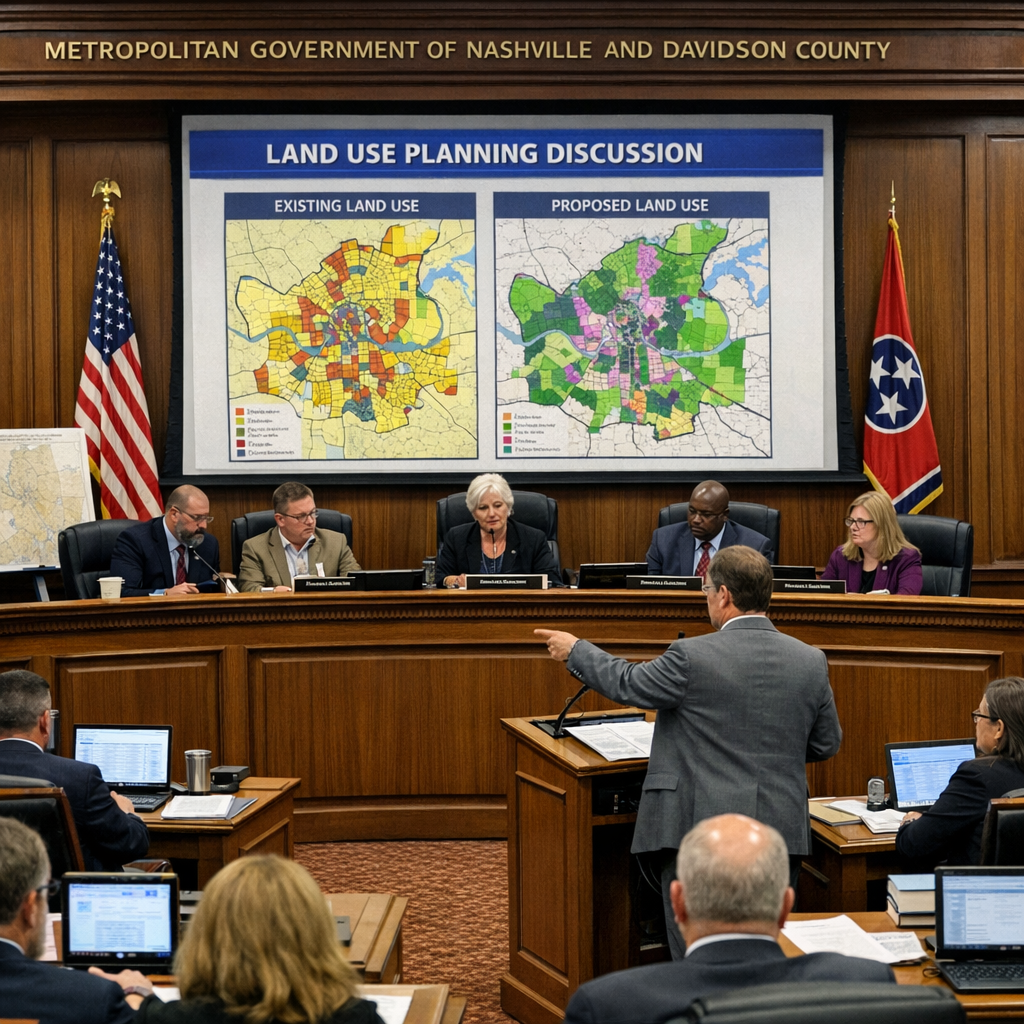
A heated battle is playing out over a proposed data center very near the Nashville Zoo at Grassmere. DC BLOX, the developer, had permits approved for construction, sparking alarm among zoo officials, neighbors, and conservation groups. Critics warn the facility threatens stormwater flow, habitat, and the overall integrity of nearby green spaces.
In response, Metro Council voted overwhelmingly (27–5) to authorize eminent domain to stop the project. It’s an unusual and aggressive tactic—signaling that Nashville leaders view this conflict as more than just zoning: it’s about protecting public interest, environmental health, and community character.
This move could set precedent for how Nashville handles industrial or large-scale developments close to public institutions and vulnerable ecosystems.
What This Means for Nashvillians
- If your commute feels rough right now, Choose How You Move should bring smoother signal patterns, more transit frequency, and safer crossings.
- East Nashville residents can expect disruptions from construction—but also visible upgrades once work finishes, including better sidewalks, crossings, and road surfaces.
- The data center dispute could affect future development approvals—especially when environmental impacts and proximity to public land are in question.
Nashville is at a crossroads. With major infrastructure, safety, and land-use decisions coming online, the city’s future shape—how we move, grow, and protect our shared spaces—is being defined right now.